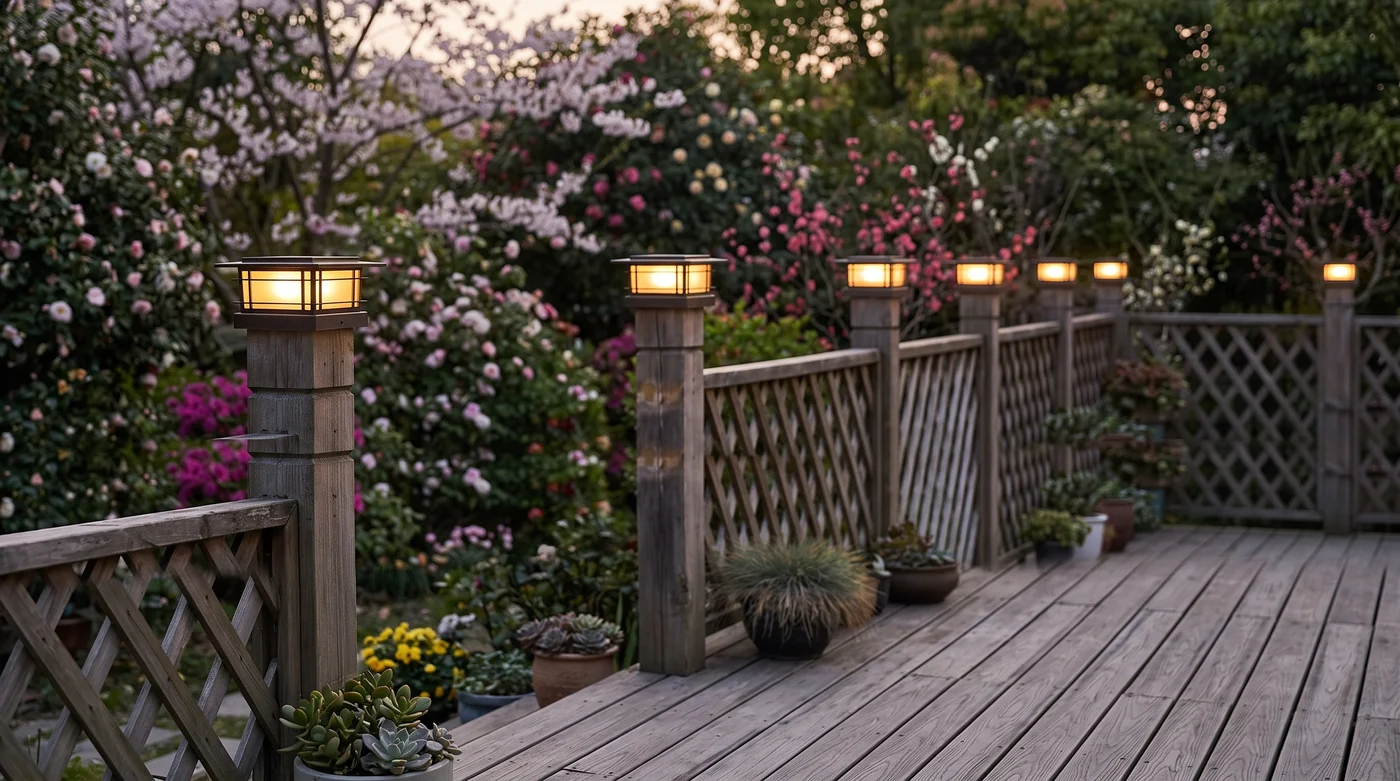
The Complete Guide to Solar Post Cap Lighting for Decks and Fences
Introduction to Solar Post Cap Lighting
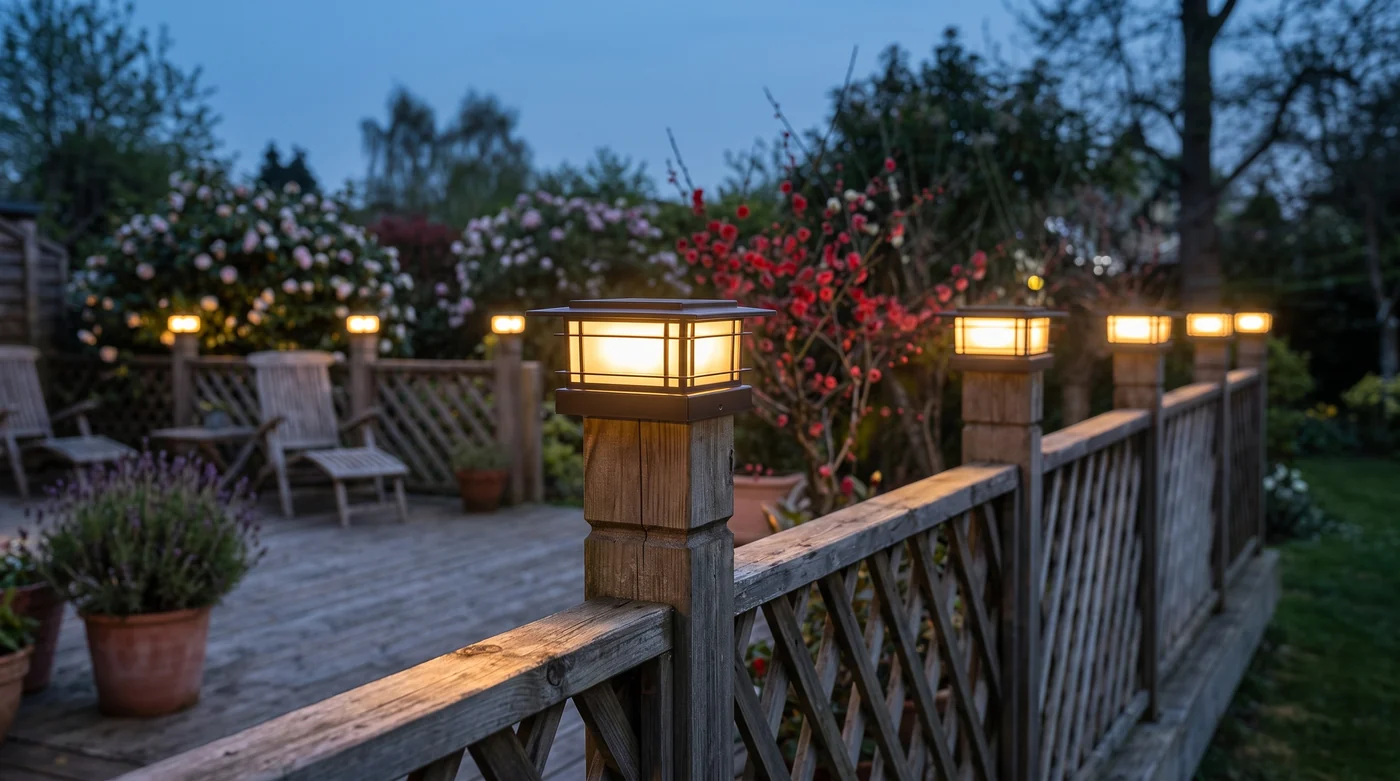
Outdoor living spaces thrive on proper accent lighting. Solar post cap lights offer an elegant way to outline deck perimeters, define property borders along fence lines, and elevate nighttime curb appeal without complex electrical wiring. By utilizing integrated solar cells, these fixtures collect energy during daylight hours and illuminate automatically when dusk arrives. This guide breaks down everything you need to know about selecting, installing, and enjoying high-performance solar post caps.
Key Benefits of Solar Accent Lighting
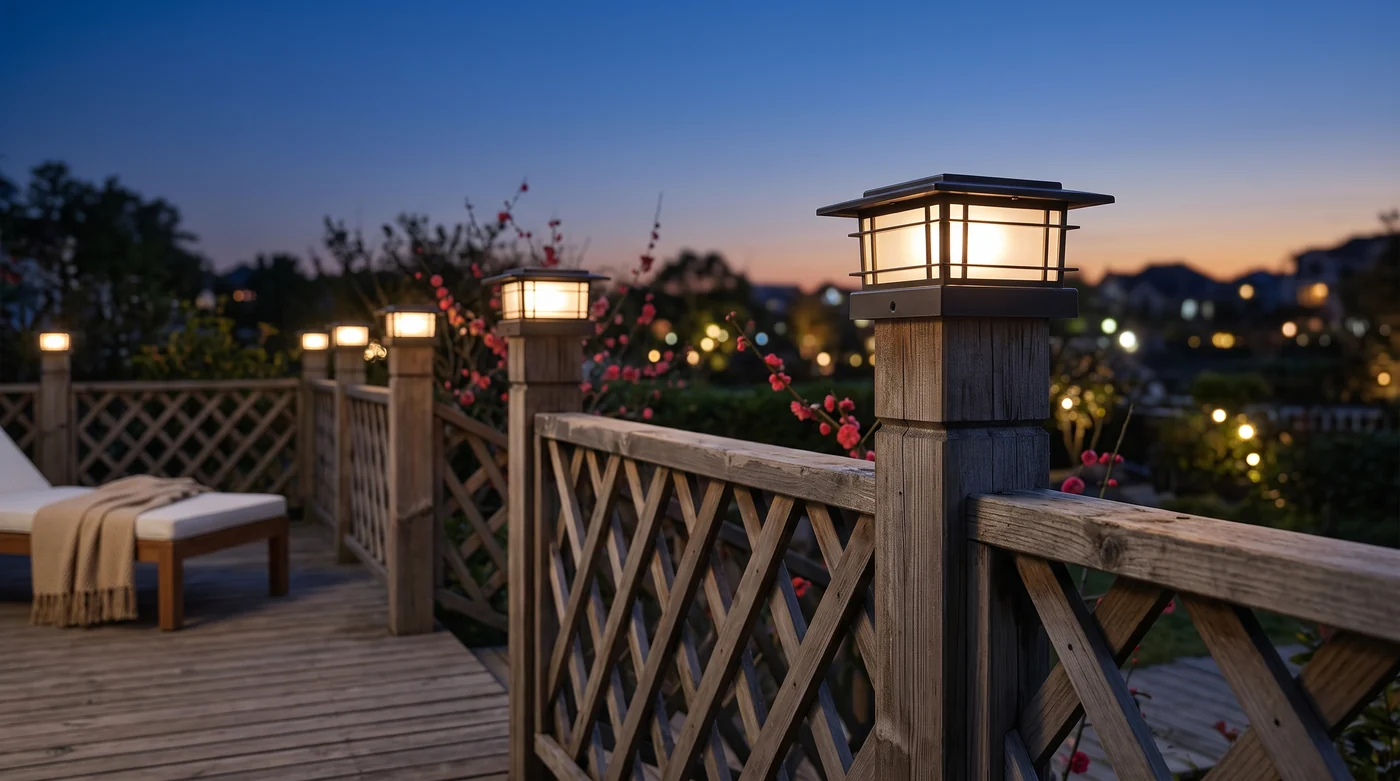
Transitioning from traditional low-voltage or line-voltage lighting to solar-powered alternatives brings several major advantages for homeowners. First, installation costs are reduced dramatically because there is no requirement for underground trenching, running conduit, or hiring licensed tradespeople. With zero incremental electricity cost, solar post cap lights harness free solar energy day after day.
Additionally, modern units feature high-efficiency warm white SMD LEDs that deliver consistent, gentle illumination. Integrated sensors automatically toggle the light on at sunset and off at dawn, creating automated exterior lighting without needing manual switches or digital timers. Coverage planning is also simpler with a multi-light set. A six pack outlines a typical deck perimeter or fence run in a single purchase, and because every fixture in the set uses the same warm white SMD LEDs, color and intensity match from post to post — no mixed tones from buying piecemeal over time. Matching fixtures age together as well, so the line stays visually uniform season after season instead of drifting as odd replacements get added.
Understanding Post Compatibility and Dimensions
Selecting post lights requires matching base dimensions to your actual post measurements. Fence and deck posts are made from various materials, including natural wood, vinyl, and composite plastic. A common point of confusion arises from the difference between nominal sizing (such as a standard 4x4 board) and actual physical dimensions.
To ensure a seamless fit, top-tier solar post caps include versatile mounting adapter bases. These multi-fit designs accommodate true physical sizes ranging from 3.5x3.5 inches up to 5.5x5.5 inches. Verifying your post dimensions prior to mounting eliminates gaps and prevents overhang, resulting in a clean, custom-built look. Measure at the top of the post, where the cap actually sits, since weathered wood can swell or taper slightly from its original milled size. Each fixture body measures 5.8 x 5.8 x 3.54 inches, so the caps read as substantial on smaller 4x4 line posts while staying proportional on heavier 6x6 corner posts. And because the multiple base sizes ship together in the same pack, a layout that mixes standard fence posts with thicker gate or corner posts can still be capped with one matching set.
Brightness Levels and Weatherproofing
Lumens measure the total light output of a fixture. Standard solar garden stakes typically produce 2 to 5 lumens, offering subtle accent glow. However, for elevated positions along posts, 15 Lumens brightness delivers optimal visibility without causing harsh glare. This higher output creates a 360-degree viewing angle, throwing downward light that safely illuminates steps, walkways, and deck edges.
Because post caps remain exposed to rain, snow, and frost year-round, weatherproofing is vital. An IP44 Waterproof rating ensures internal electronic components and the rechargeable battery remain protected against splashing water and dust intrusion. Quality construction materials withstand prolonged ultraviolet exposure without fading or warping.
Installation and Maintenance Tips
Installing solar post caps is a simple DIY project that requires basic tools. Place each fixture on top of a level post top, secure it using the supplied screws through the mounting base, and activate the internal switch. Position your posts where they receive uninterrupted direct sunlight for 6 to 8 hours daily to achieve full charge capacity.
Maintenance is minimal. Periodically wipe top solar panels with a damp cloth to remove leaves, dirt, or dust accumulation that can reduce charging efficiency. Depending on regional weather patterns, inspect the internal 1000MAH NI-MH AA rechargeable battery included in your lights after several seasons to ensure optimal performance.
Two more habits pay off over the long run. Before the first night of use, let the fixtures sit in full sun for a complete charge so the battery and sensor start from a known state. And because each unit runs on a standard AA-size NI-MH rechargeable cell, a light that eventually dims after years of service can usually be revived with a fresh battery rather than replacing the whole fixture — worth checking before assuming a cap has failed.
Related in this cluster
- How Outdoor Deck Lighting Transforms Yard Safety and Ambiance
- Solar vs Low Voltage Post Lights: Cost and Setup Comparison
- How to Install Solar Post Cap Lights on Wood and Vinyl Posts
- Why 15-Lumen Solar Post Cap Lights Are the Ideal Deck Solution
- Top 5 Features to Look for in Solar Fence Post Lights
- Frequently Asked Questions About Solar Fence Post Lights