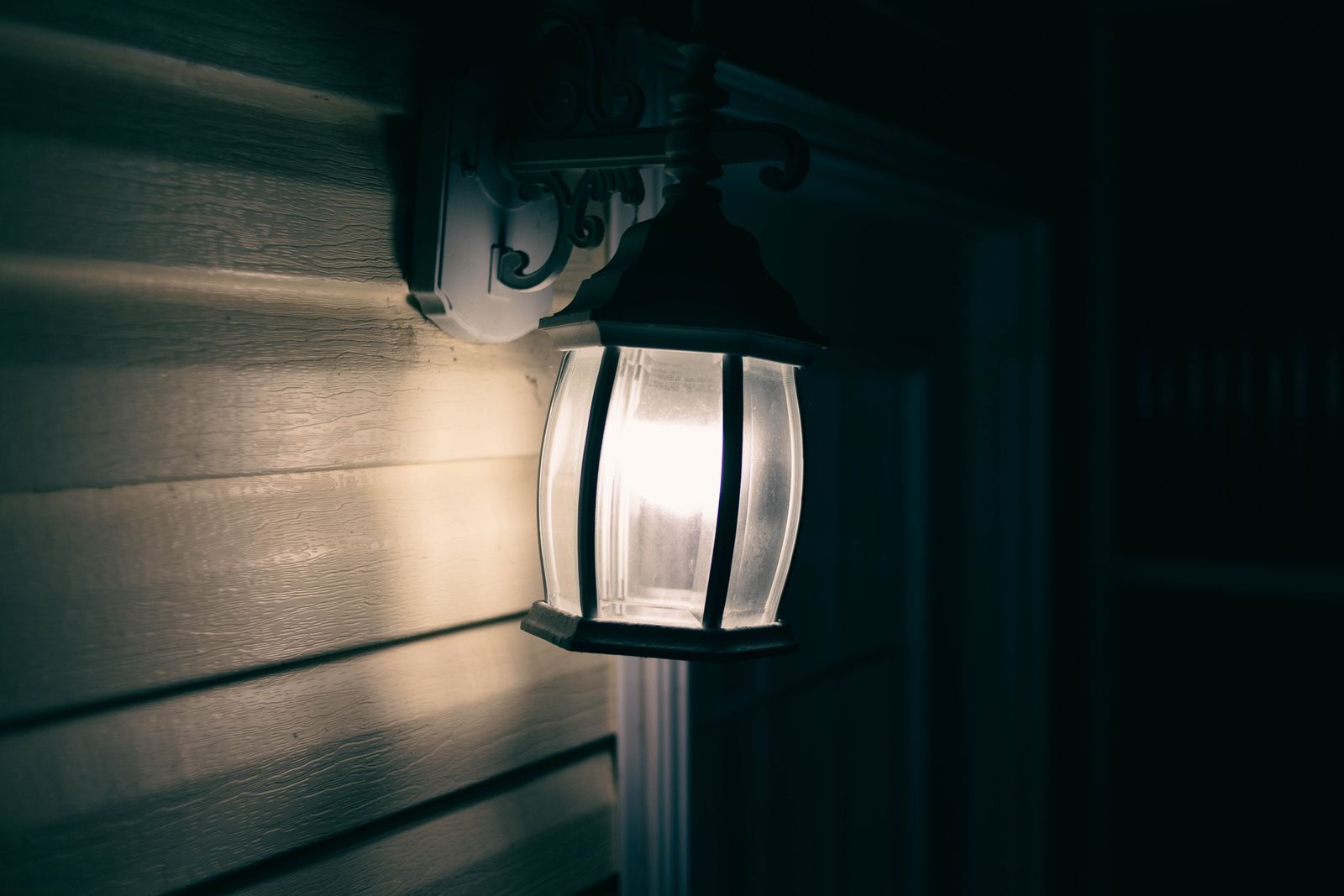
Lighting a Long Driveway Entrance and Its Gateposts
A driveway entrance has one job at night: let a driver arriving from the road identify the gap and turn into it without slowing to a crawl. That is a marking problem, not an illumination problem, and a matched pair of lit gateposts solves it better than any amount of brightness aimed at the pavement. The rest of a long approach needs only two more things marked, the first bend and the arrival point.
Why the mouth of the driveway matters more than the length of it
Drivers scan for the edges of an opening, not for a lit surface. Headlights already light the driveway once you are pointed at it. What headlights cannot do is tell you where the entrance is while you are still traveling along the road, particularly on a rural lane or a dark street with a hedge.
Two lit gateposts define that opening unambiguously. They give the eye a pair of reference points at a known width, which reads as a gap rather than as scenery. This is why a matched pair is worth more than five caps scattered down the drive. The pair is the signal.
What a 15 lumen cap does and does not do here
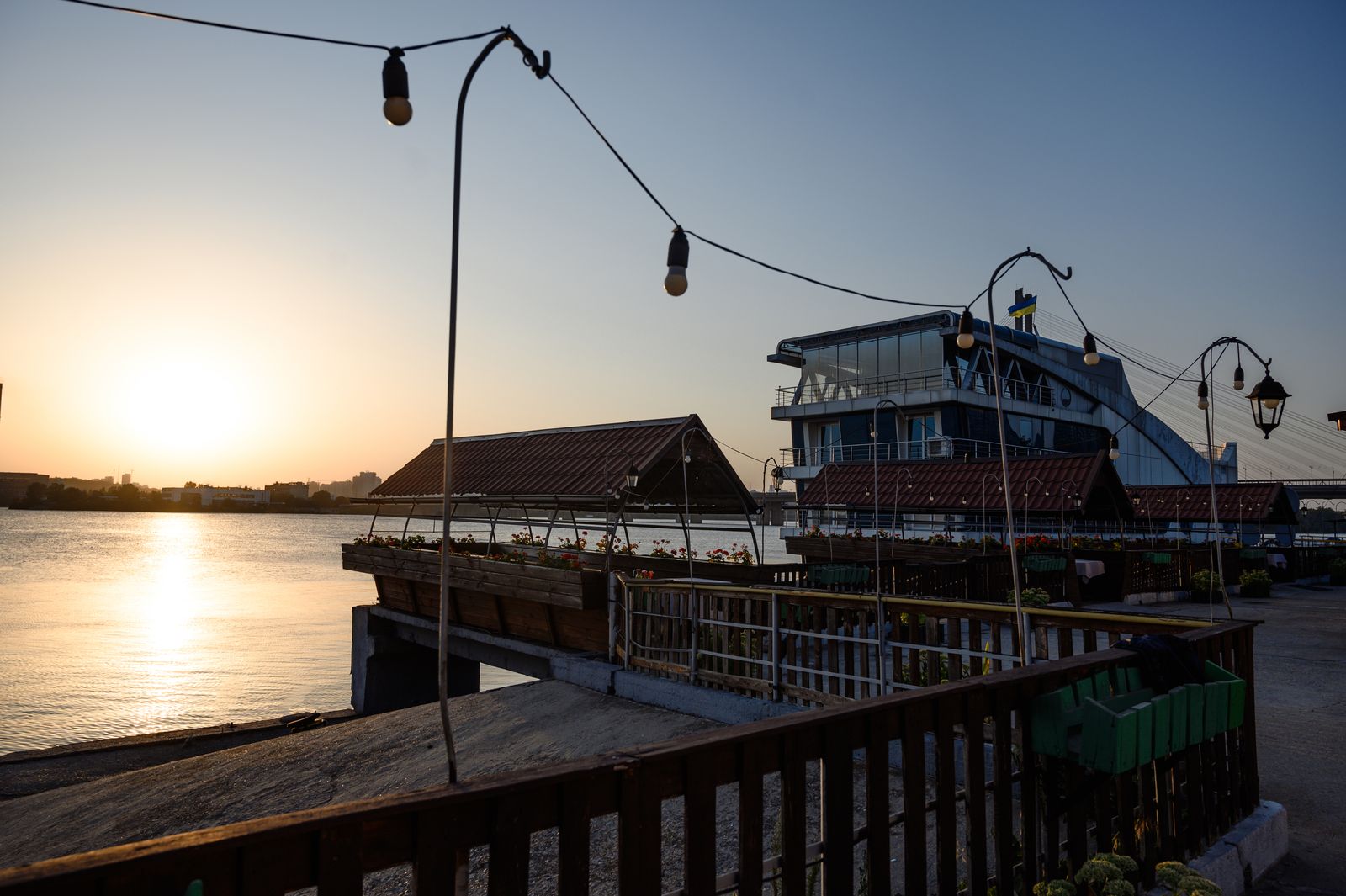
Photo by Meri Verbina on Pexels
Be clear about the mechanism, because driveway lighting is where expectations run ahead of physics. Each cap carries eight warm white SMD LEDs producing 15 lumens across a 360 degree viewing angle. That makes the post top itself a visible point of warm light from a considerable distance, and it puts a soft pool of light immediately around the post.
It does not light a driveway surface, illuminate a turning circle or show you a pothole thirty feet away. A cap is a marker, in the same way a runway edge light is a marker rather than a floodlight. Once you accept that, the design becomes straightforward: mark the decisions, not the distance.
The three points worth marking on a long approach
| Zone | What the driver needs there | What a cap contributes | |---|---|---| | The mouth at the road | Find the opening and judge its width | A matched pair of gatepost caps reads as a gap from the road | | The first bend or narrow point | Know where the drive changes direction | One or two caps show the line of the turn before headlights reach it | | The arrival point | Know where to stop, park or turn | A cap or pair marks the end of the approach and the edge of the parking area | | Hazard edges | Avoid a ditch, culvert or wall | A single cap on a post at that point flags the edge |
A six pack covers all four of those on a typical long drive with a unit to spare. That is a better use of six caps than lining the first thirty feet and leaving the bend dark.
Matched pairs and why symmetry does the work
On a gateway, evenness matters more than count. Two caps at the same height on both sides of the opening read instantly as an entrance. One cap on one side reads as a stray light and gives a driver no width information at all.
That has a practical consequence for post choice. Gateposts are often the largest timbers on a property, so check the true top measurement before ordering. Caps fit nominal 4x4, 5x5 and 6x6 posts using bases matched to true top widths from 3.5 to 5.5 inches, in wood, vinyl or plastic. If your gateposts are masonry pillars with a wide capstone, a cap will not seat on them, and the workable answer is to mark the opening with a timber post just inside each pillar instead.
Height should match too. A pair at visibly different heights looks like a mistake from the road even when both are lit, and the gateway loses the paired reading that makes it work.
Sun exposure on a driveway entrance
Driveway entrances are often the sunniest part of a property, since they open onto a road with no planting on the far side. That is helpful, because each cap charges independently from its own lid and wants six to eight hours of full and direct sunlight.
The exception is the hedge or tree line that so often flanks a rural entrance. A gatepost tucked under an overhanging hedge can sit in shade all afternoon while its partner across the opening gets full sun, and the result is a pair that stops matching halfway through the night. That looks worse than no lighting, because an entrance marked on one side only is confusing.
Check both gateposts for sun at midday before you commit, and cut back the overhang if one side is shaded. Further down a long drive, the same principle applies at each marked point, and the diagnostic approach in the guidance on optimizing a post cap line for perimeter reliability is the right reference if particular positions keep underperforming.
Physical hazards specific to a driveway
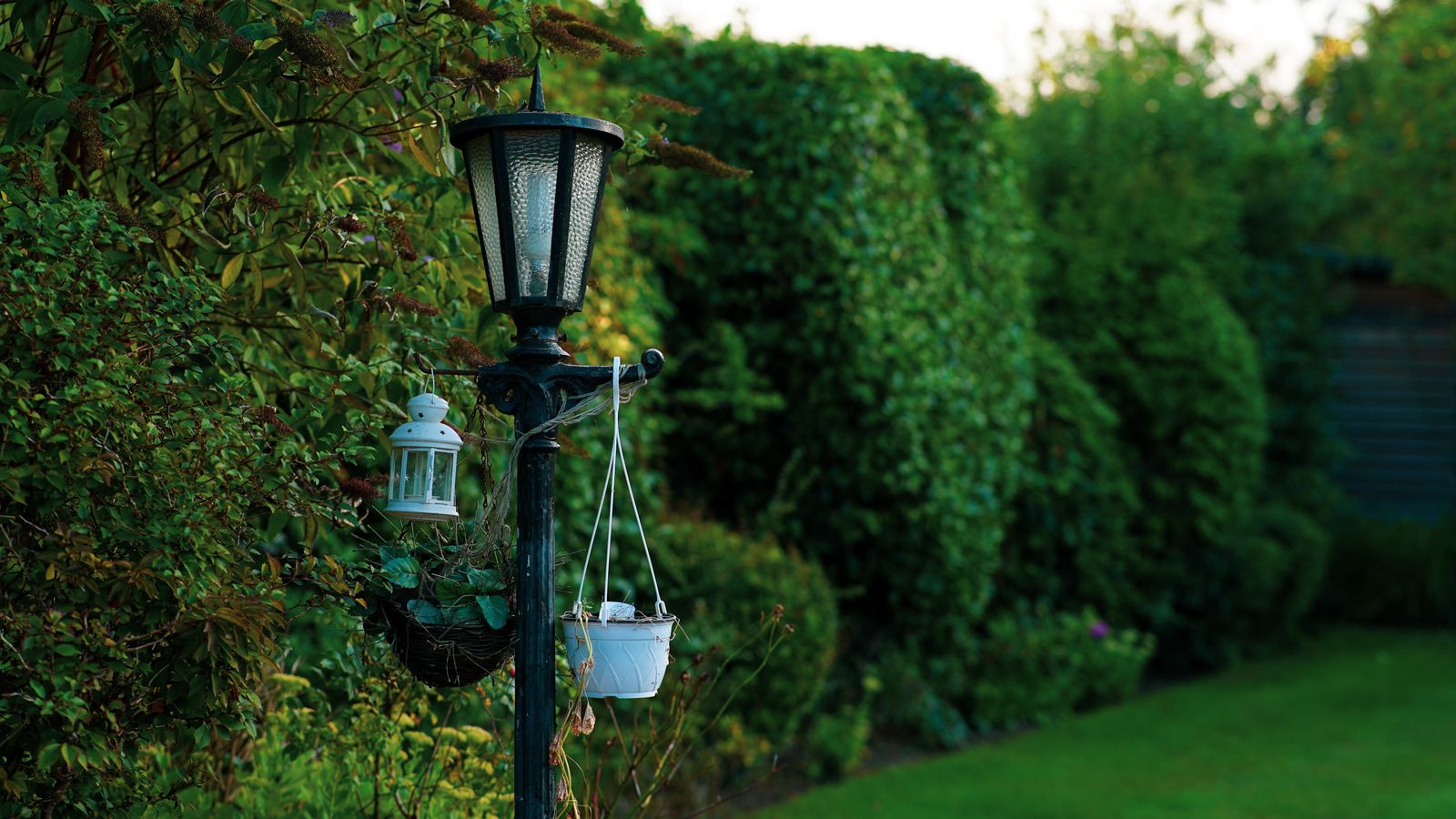
Photo by JINU JOSEPH on Pexels
A driveway entrance is a working environment, and caps there take more abuse than caps on a garden fence.
- Swing gates. A cap on a post that a gate leaf swings past can be clipped by the gate or knocked by the latch. Check the arc before fitting, and prefer the post the gate does not contact.
- Vehicles. Wing mirrors on delivery vans track wide on a narrow entrance. A cap on a post at mirror height beside a tight opening will eventually be hit.
- Mowers and strimmers. Verge maintenance throws debris at post tops and the operator works close to them.
- Snow clearing. Posts at the mouth of a drive are exactly where a plow blade pushes snow, and where a snowblower chute points.
- Road spray and salt. Entrance posts collect road grit and de-icing salt, which hazes a panel and cuts charging. Rinse those lids more often than the rest.
The practical value beyond aesthetics
A legible entrance is not only about how the property looks arriving home. Delivery drivers, contractors and emergency services all have to find an unfamiliar address at night, and a marked gateway is the difference between a driver finding you and a driver circling the lane. On a long drive with no power run to the entrance, solar is often the only realistic way to light the mouth at all, since trenching a cable to the road is a major job.
That combination, no wiring plus a clearly marked opening, is where these caps earn their place on a driveway rather than on a deck. The wider case for what perimeter and entrance lighting does for a property is set out in how post cap lights affect home value and safety, and the fundamentals of how the lights themselves work are covered in the essential guide to solar post cap lights.
FAQ
How many caps does a long driveway need? Fewer than most people expect. A matched pair at the mouth, one or two at the first bend and one or two at the arrival point covers a long approach. Marking decisions works better than lining the drive.
Will these light the driveway surface enough to drive by? No. At 15 lumens each they are markers, and your headlights do the illumination. Their value is telling you where the entrance and the turns are before your headlights get there.
Can I put caps on masonry gate pillars? Not directly, because the bases are sized for square post tops from 3.5 to 5.5 inches across in wood, vinyl or plastic. Set a timber post just inside each pillar and mark the opening that way.
Should both gateposts be lit even if one is shaded? Both should be lit, which means dealing with the shade rather than accepting it. A pair where one side fades early is more confusing to a driver than no lighting, so clear the overhang or move that marker to a sunnier post nearby.
What to do next
Drive up to your own entrance after dark and note the exact moment you can tell where the gap is. If that moment comes later than it should, the fix is a matched pair on the gateposts before anything else, and the first thing to check is whether both of those posts get midday sun.
Cover photo by Erik Mclean on Pexels.