Lighting a Chicken Run or Animal Pen at Dusk: Solar Post Cap FAQ
Solar post caps work well on a chicken run or animal pen because the job there is orientation rather than illumination. At dusk you need to see the gate, the latch, the water and your own feet while the birds settle, and a warm low-level marker at each corner post does that without floodlighting the pen. What they will not do is act as a security light or a predator deterrent, and it is worth being clear about that before you buy.
What a 15 lumen warm white cap actually gives you at feeding time
Each light in a six pack carries eight warm white SMD LEDs and puts out 15 lumens across a 360 degree viewing angle. In practice that is enough to make the post itself visibly glow and to put a soft pool of light on the ground and the fence panel next to it. Set a cap on each corner post of a run and you get a lit outline of the enclosure, which is genuinely useful when you are walking out with a feed bucket in one hand at last light.
It is not enough to read a thermometer by, inspect a bird or find a dropped screw in bedding. Keep a headlamp for tasks and let the caps handle the walk, the gate and the outline. That division of labor is what makes the setup work.
Why dusk is the right window for solar on an animal enclosure
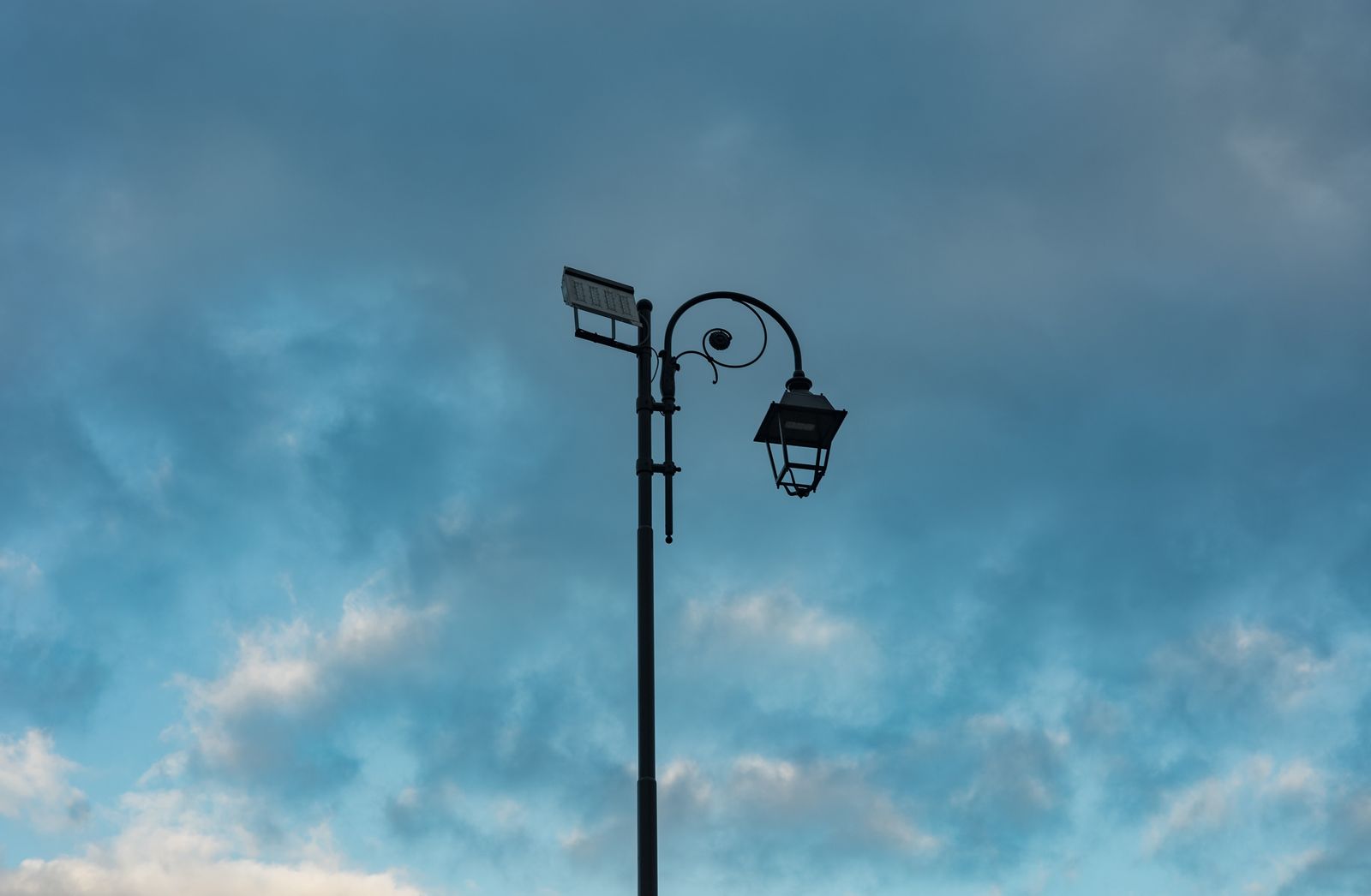
Photo by Angelo Capitanio on Pexels
Birds go in at dusk, and that is exactly when a cap with an automatic on and off sensor switches over. You do not touch a switch on a cold evening and you do not leave anything running through the day. The panel charges over six to eight hours of full and direct sunlight and the light comes on when the light level drops, which lines up almost perfectly with the animal routine.
The practical benefit is that the enclosure becomes findable and its boundary becomes legible from the house. If you keep birds at the back of a plot, a lit run outline tells you at a glance where the gate is without carrying a torch across the garden.
Warm white and settling animals
Warm white matters more here than on a deck. A cooler, bluer light reads as bright and clinical and is more likely to keep birds alert and moving when you want them settling. Warm white at low output behaves more like fading daylight, and at 15 lumens per cap it is a marker rather than a wash of light into the coop itself.
Aim the effect at the perimeter, not the shelter. Put caps on the corner and gate posts of the run and keep them off any post directly beside a nest box or roosting opening. The goal is a lit boundary with a dark interior, so the animals still get the darkness they need at night. There is more on the tradeoffs of color temperature in the notes on why warm white suits outdoor post caps.
Where to mount caps on a run, and where not to
- Corner posts first. Four caps on four corners define the whole footprint of the enclosure and give you the most useful light for the fewest units.
- The gate post next. The latch is the thing you fumble in the dark, so light the post you actually put your hand on.
- The path post. One cap on the post nearest the route from the house makes the approach obvious.
- Above reach. Keep caps on top of full-height posts, not on low rails where a goat, a dog or a curious bird can reach, knock or peck at them.
- Not under the coop roof overhang. A cap in permanent shade never gets a full charge, and a coop roof is one of the most common shade sources on a run.
- Not where the panel sits under a perch. Anything roosting above a lid will foul the panel repeatedly.
Post sizes on a typical run
Most home-built runs use standard timber posts, which is what these caps are designed for. The set includes multiple base sizes so one cap can fit a range of posts, covering nominal 4x4, 5x5 and 6x6 timbers with bases sized for true measurements from 3.5 to 5.5 inches across, in wood, vinyl or plastic.
Where runs get awkward is with round posts, thin metal tube frames and welded mesh panels with no flat top. A post cap needs a flat square top of the right true size to sit on. If your run is built on round rails or tube, the workable move is to add a short square timber post at each corner or beside the gate purely as a light mount. For fitting detail on standard timber, the walkthrough on installing caps on 4x4 wood and vinyl posts covers the sizing step properly.
Dust, feathers and cleaning cadence
Photo by Doğukan Melik Sevindik on Pexels
This is the one maintenance difference between an animal enclosure and a garden fence. Runs are dusty places. Bedding, dry dirt, feather down and the fine dust birds raise when they dust-bathe all settle on a horizontal panel, and a hazed panel charges poorly long before it looks dirty.
| Setting | Panel cleaning | Why | |---|---|---| | Ordinary garden fence | Two or three times a year | Pollen and rain-borne dust only | | Chicken run or bird pen | Monthly, weekly in dry spells | Bedding dust and feather down settle constantly | | Pen with a dirt floor and no cover | Every couple of weeks in summer | Dust-bathing throws fine dirt onto every surface | | Pen beside a gravel track | Monthly | Vehicle dust drifts and sticks after rain |
A damp cloth is all it takes. Wipe the lid, dry it, and do not spray a hose directly at the housing. These caps carry an IP44 rating that covers rain, snow, frost and sleet, which is weather rather than a pressure washer. If you hose down a pen, take the caps off first or shield them.
Being honest about predators and security
A 15 lumen warm marker light is not a predator deterrent. Foxes, raccoons and mustelids habituate quickly to steady low light, and a constant glow does not startle anything. What these caps genuinely do is let you see the enclosure and its latch at night, which supports the thing that actually protects animals: a well built run that is properly closed every evening. Treat the lighting as an aid to your own routine, not as a defense.
The upside is that a lit outline makes it obvious from the house when a gate has been left open, and that is a real safety gain. For other unconventional placements beyond the standard fence line, there are more ideas in the round-up of creative uses for solar post cap lights.
FAQ
Will the light keep my chickens awake? At 15 lumens of warm white on a perimeter post, it should not. The mistake to avoid is placing a cap directly beside a coop opening or a roosting bar so light falls into the sleeping space. Light the boundary and leave the shelter dark.
Can I put one inside the coop? These are solar units, so a light inside a closed coop has no way to charge. They belong on the outside of the structure with the panel facing open sky. Use a separate battery lantern if you need light inside.
How many caps does a small run need? Four on the corners plus one on the gate post covers most home runs, which fits a six pack with a spare. Adding more units does not make the pen brighter so much as it extends the lit outline, so start at the corners and the gate.
Do dusty panels really make that much difference? Yes, and it is the single biggest maintenance factor in a pen. A film of dust reduces the charge going in, which shows up as a light that quits early rather than one that looks dim. Monthly wiping in a dusty run is a reasonable habit.
What to do next
Walk the run at last light this week and note the three points you actually reach for in the dark: the gate latch, the water and the route in. Mount caps on those posts and the far corners first, check that no lid sits under the coop overhang, and put a monthly panel wipe on the same schedule as your bedding change.
Cover photo by Baran Robin on Pexels.