Solar Post Cap Lights, HOA Rules and Light Trespass: What to Check First
Solar post cap lights clear most homeowners association review easily, because the features associations and municipalities scrutinize most — high brightness, cool blue-white color, tall fixtures, visible wiring, and light aimed off the property — are exactly the features these fixtures lack. That said, review requirements vary by community, rules generally cover appearance rather than electrical work, and a 360 degree fixture does emit sideways as well as down, which is worth thinking about before you install a long run along a shared boundary.
Do solar post cap lights usually need HOA approval?
It depends on the association, and the safest assumption is that anything visible from the street or from a neighbor's property may be reviewable. Many associations have an architectural review process covering exterior changes, and fence and lighting modifications commonly fall inside it. Others treat low-output decorative lighting as outside the scope of review entirely.
What tends to work in your favor with these fixtures:
- No exterior wiring or conduit. Visible cable and transformer boxes are a frequent objection. A solar fixture has none.
- No change to the fence structure. The cap sits on the post top. Solar Post Cap Lights include multiple base sizes compatible with standard true-size 3.5-inch, 4-inch, 4.5-inch, 5-inch, and 5.5-inch wood, vinyl, or plastic post caps, so a properly sized cap replaces a plain one without altering the fence.
- Low output. At 15 lumens per fixture, this is orientation lighting. Objections about glare and floodlighting rarely apply at that level.
- Warm white color. Warm color temperature is generally the preferred choice in residential guidelines and in dark-sky recommendations, and each fixture uses 8 warm white SMD LEDs.
- Reversible installation. A cap that lifts off is far easier to get approved than a change that cannot be undone.
What association guidelines typically regulate
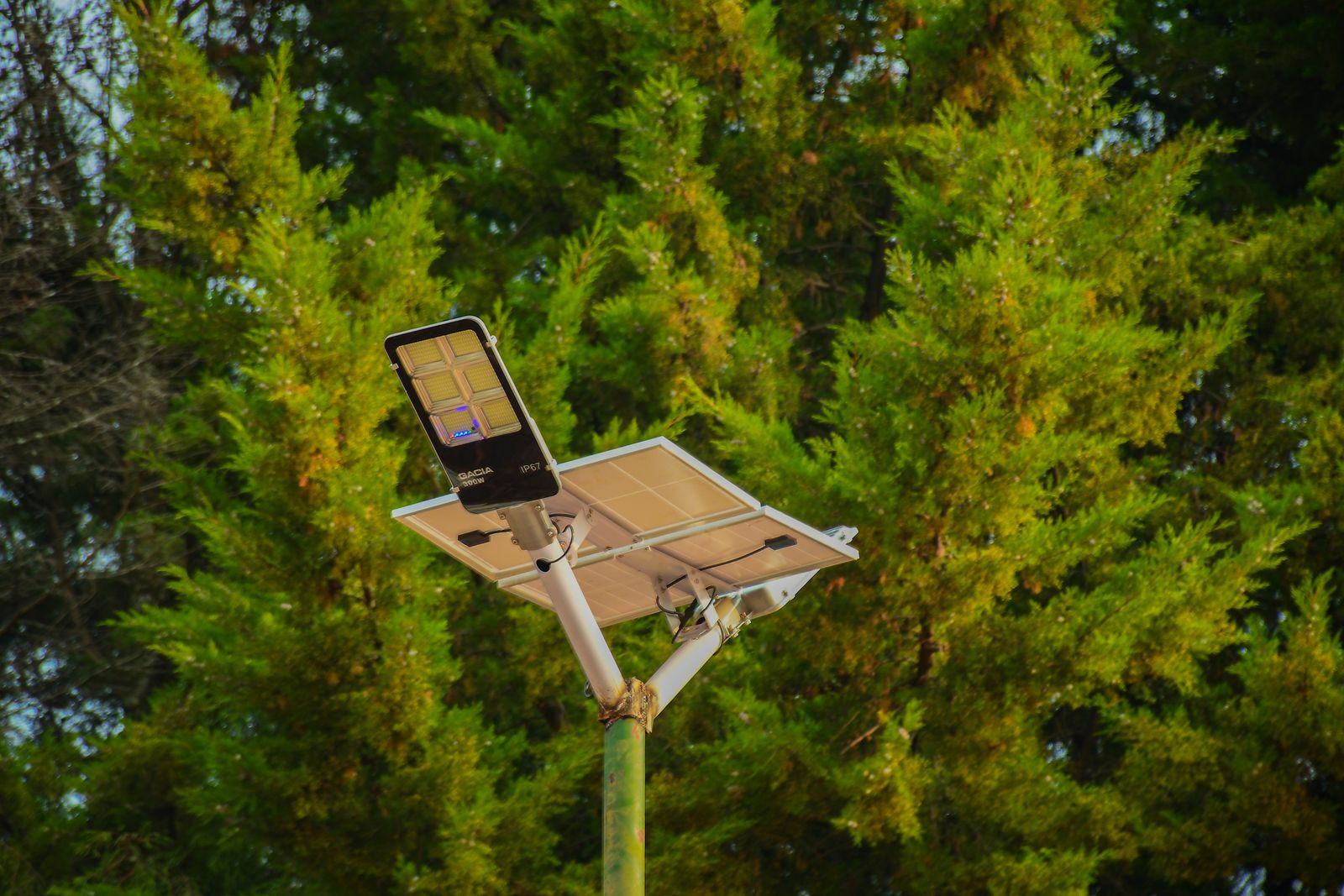
Photo by finix photographer on Pexels
Reading your own documents beats guessing, but the categories are fairly consistent across communities.
| What gets regulated | Why it comes up | How post cap lights usually fare | |---------------------|-----------------|----------------------------------| | Color temperature | Cool blue-white light reads as commercial | Warm white is the generally preferred direction | | Brightness level | Bright fixtures create glare for neighbors | 15 lumens per fixture is low output | | Fixture height and profile | Tall or bulky fixtures break a uniform streetscape | A cap adds only the fixture's own height to the post | | Uniformity along a run | Mismatched fixtures look unplanned | A 6 pack of identical caps keeps a run consistent | | Visible wiring | Conduit and cable are common objections | None, powered by solar | | Light directed off-property | Spill onto neighbors or the roadway | Worth assessing, since these emit 360 degrees | | Permanent structural change | Anything hard to reverse | The cap seats on the post and lifts off |
What is light trespass, and can these cause it?
Light trespass is light from your property falling where it is not wanted — into a neighbor's window, across a sidewalk, or upward into the night sky. It is the basis of most dark-sky guidance and of neighbor complaints about residential lighting.
Two honest points about post cap lights here. First, the output level is low. At 15 lumens per fixture, a single cap is not going to illuminate a bedroom across a property line. Second, the emission pattern is omnidirectional: a 360 degree viewing angle means light goes sideways and up as well as down. That is what makes a run of caps read as a defined boundary from a distance, and it also means the fixture is not a fully shielded, downward-only design.
In practice the combination — very low output, warm color, omnidirectional — puts these in the category that dark-sky guidance treats most leniently, since the guidance is primarily concerned with high-output, cool-white, unshielded fixtures. The warm-white choice is doing real work in that assessment, for reasons explained in why warm white solar post cap lights suit a deck.
How to handle a review submission without friction
If your community requires approval for exterior changes, a short, specific submission moves faster than a vague one.
Neighbor considerations worth thinking through
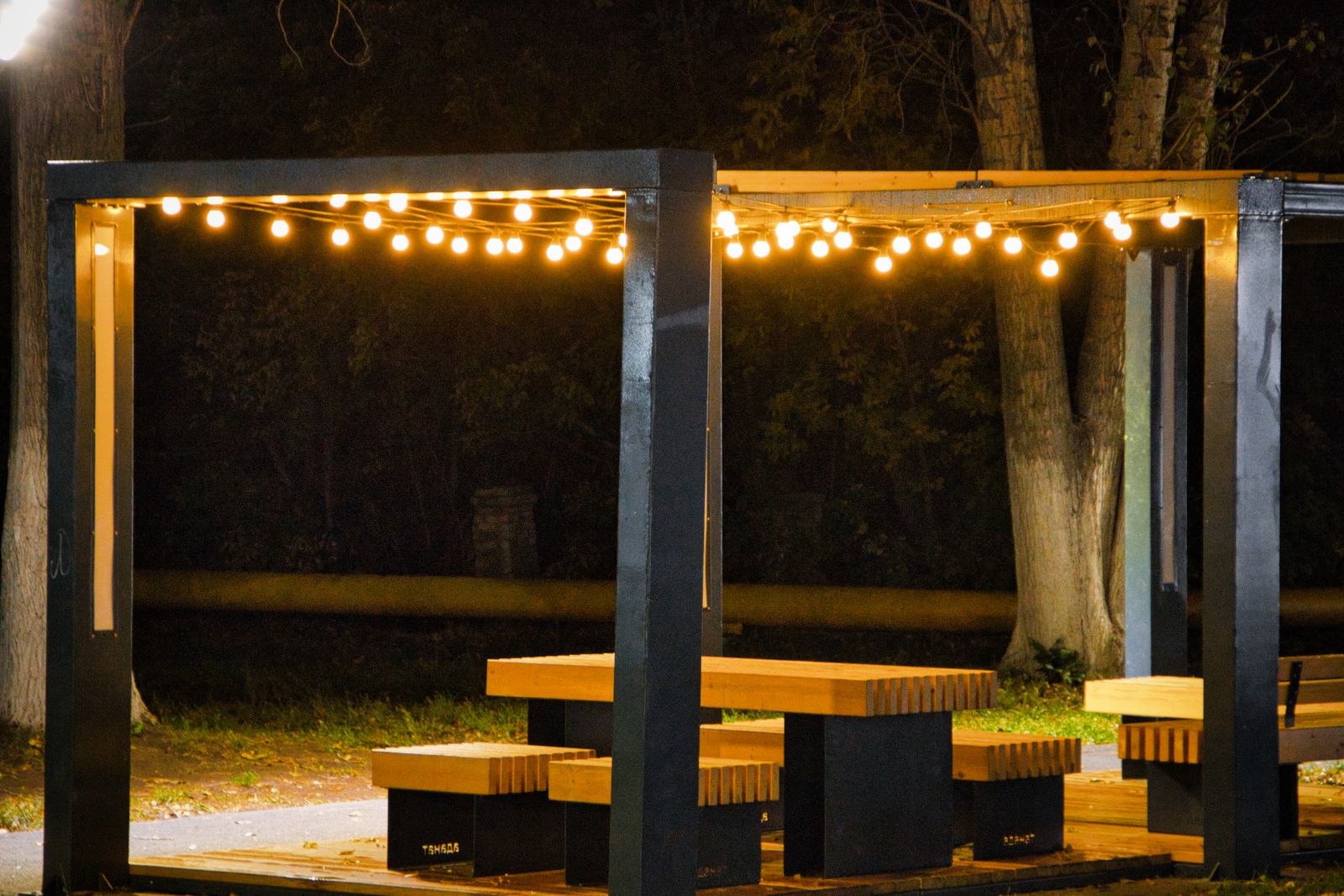
Photo by Кирилл Абрамов on Pexels
Association rules are one layer; the person on the other side of the fence is another, and complaints from neighbors are a more common source of trouble than formal enforcement.
- Look from their side after dark. Stand where the neighbor's window faces the fence and see what the run actually looks like from there. This takes two minutes and preempts most objections.
- Skip the posts that sit closest to a bedroom window. Lighting every post is not obligatory. A gap in the run is invisible from most angles.
- Prioritize functional posts. Gates, steps, corners, and grade changes are easy to justify to anyone. A continuous decorative run is harder to defend if someone objects.
- Mention it before you install. A short heads-up costs nothing and turns a potential complaint into a non-event.
FAQ
Can an HOA require removal of solar fence lighting after it is installed? If the community's governing documents cover exterior lighting and the installation was not submitted for approval, an association can generally ask for changes or removal. That is the argument for checking the documents and submitting first — and it is also why the reversibility of a cap that simply lifts off is a genuine advantage over a wired installation.
Do these fixtures need a permit? Permits generally attach to electrical work, and there is no electrical work involved here. Solar post cap lights have no wiring, no transformer, and no connection to household power. Local requirements vary, so confirm with your municipality if you are uncertain, but a self-contained solar fixture on a post top is not typically a permit matter.
Are warm white lights better for avoiding complaints? Generally yes. Cool blue-white light is more likely to be perceived as harsh and is the color range most dark-sky guidance discourages. Warm white at low output is the combination least likely to draw an objection from either a review committee or a neighbor.
Will a 360 degree fixture shine into a neighbor's yard? Some light goes sideways by design, which is what makes the run visible as a boundary. At 15 lumens per fixture the practical effect at any distance is small, but if a specific post sits directly across from a window, the simple answer is to leave that post unlit. Lighting value across a property line is discussed further in how post cap lighting affects home value and safety.
The practical next step
Before ordering, do two things: search your community's guidelines for the word "lighting" and read whatever comes up, then walk the fence line after dark and note which posts sit closest to a neighbor's windows. Those two checks take fifteen minutes, and between them they tell you whether you need a submission and which posts to leave out of the run.
Cover photo by Iris Carvalho Foto on Pexels.