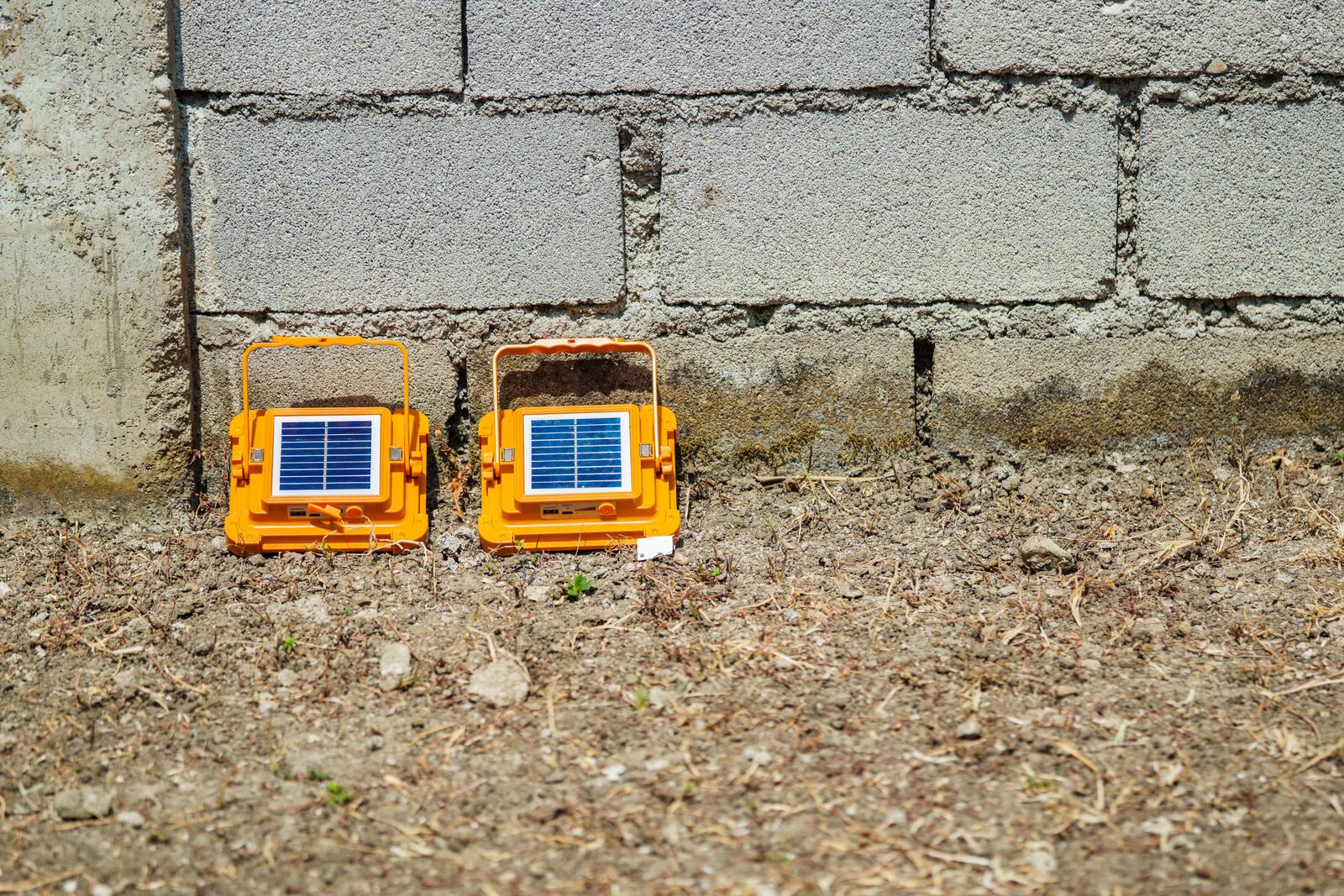
Solar Post Cap Lights for a Side Gate: Lighting the Least-Watched Entry
The side gate is the least-watched entrance on most properties: no porch light, no window overlooking it, and a narrow passage that stays dark even when the front and back of the house are lit. Two post-top lights on the gate posts fix the practical problems immediately, because they mark the latch, show the threshold, and remove the blind spot without wiring a fixture into a spot no circuit reaches.
Why side gates end up dark
Nobody plans for it. Front doors get a fixture because visitors arrive there. Patios get lighting because people sit there. The side passage gets neither, and it usually has three characteristics that make it worse than the rest of the yard.
It is narrow, so the fence on both sides blocks whatever ambient light reaches the yard. It is often on the shaded side of the house, which means less spill from windows. And it has no convenient power, since running a circuit down the side of a house to serve one gate is disproportionate work for a small job. The result is a passage that is functionally black at night while everything around it is fine.
That combination is why solar suits the location specifically. There is no trench, no circuit, and no electrician for a spot where all three would be hard to justify.
What actually goes wrong at an unlit side gate
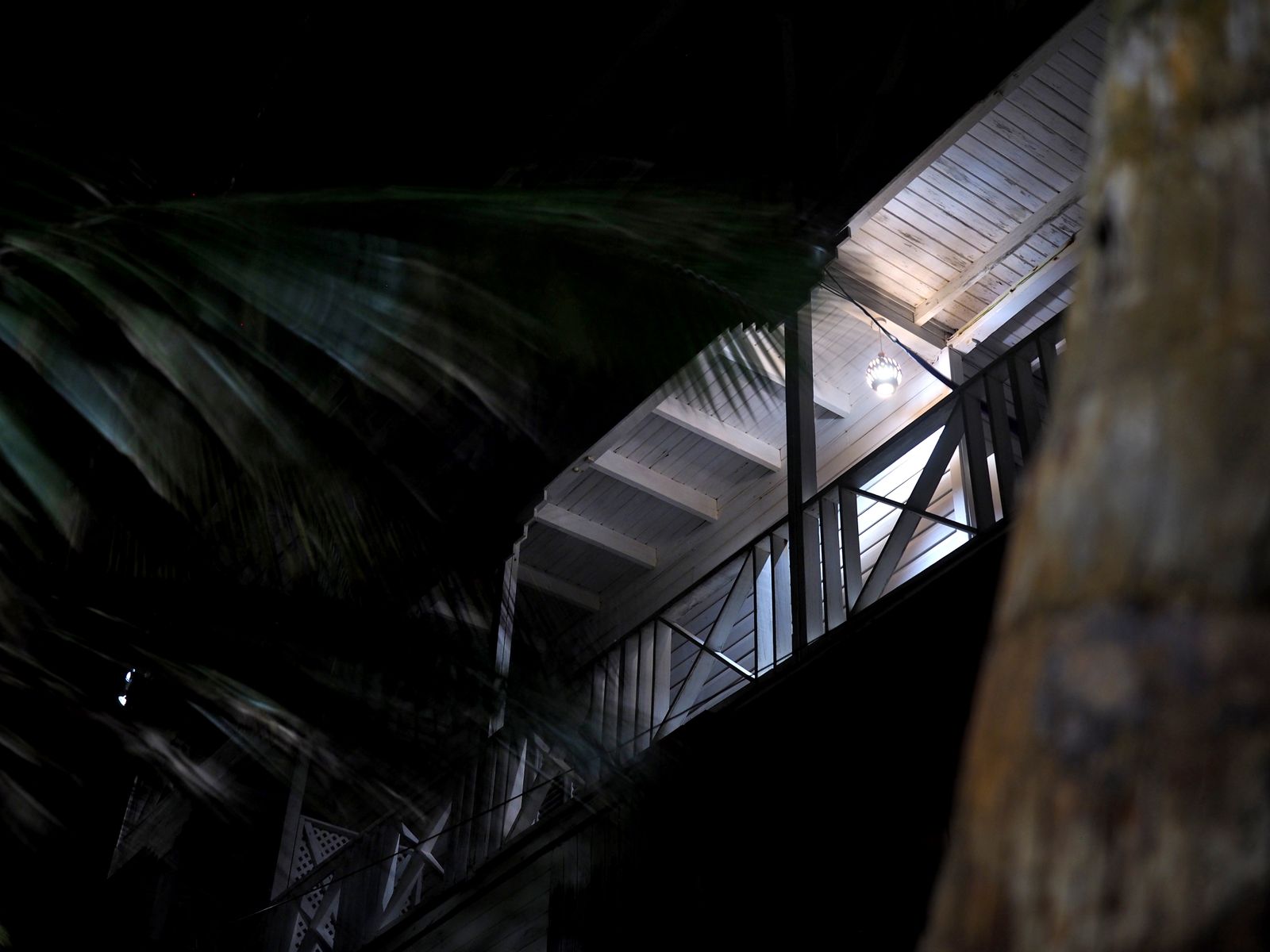
Photo by Blue Ox Studio on Pexels
The problems are mundane and specific:
- Finding the latch by feel, often with hands full of trash bags or groceries
- Tripping on the threshold, a step, or the concrete lip where a path meets the passage
- Missing the bins in the passage and walking into them
- Meter readers and delivery drivers using the side access after dark
- Not being able to tell from the house whether the gate is open or closed
- Kids and guests using the side route as a shortcut and not knowing the ground
Does low-output lighting help with security?
It helps in the ways low-output lighting actually can, and it is worth being precise about the difference rather than overselling it.
A lit side gate makes the passage visible from the house and from the street, which removes the concealment that makes an unwatched side access appealing. It also removes ambiguity — you can tell at a glance from a window whether the gate is open. What it does not do is illuminate a face at twenty feet or feed a camera. Marker lighting defines a space; it does not surveil it.
| Goal | What marker lighting does | What it does not do | |---|---|---| | Removing a concealed approach | Makes the passage visible and legible | Not bright enough to identify a person | | Seeing the gate state from the house | Shows the opening clearly at a glance | No alerting or notification | | Safe footing at night | Marks the threshold and the width | Does not light the ground surface fully | | Camera support | Adds a little ambient reference | Not sufficient illumination for footage | | Deterrence | Removes the appeal of a dark, unwatched route | Not a substitute for a lock or an alarm |
Solar Post Cap Lights produce 15 lumens each, which the manufacturer describes as 3 times brighter than general solar garden lights — a marker level of output, not a security floodlight. The honest positioning is that a lit gate is a better gate, and a locked gate is a secure one. Our article on how post cap lights affect home value and safety covers the wider picture.
Why post tops beat a motion floodlight here
The obvious alternative is a motion-activated floodlight on the house wall, and in a narrow side passage it often works badly.
A floodlight in a corridor between two fences produces hard glare and deep shadow at the same time. Walking toward it, you are looking into the source and can see less of the ground than before. Because the passage is narrow, the light also hits your neighbor's wall or window directly, which is the most common cause of friction over side-access lighting. And motion sensors in a confined space trigger on cats, wind-moved plants, and passing cars, so the light cycles all night.
Two small warm lights at post-top height do the opposite. They stay on steadily at a level that does not overwhelm night vision, they sit inside your boundary aimed at nothing, and they give the eye a fixed reference rather than a sudden change in brightness. Each light uses 8 warm white SMD LEDs with a 360 degree viewing angle, so the glow spreads around the cap and catches both fence faces evenly instead of throwing a beam down the passage.
Fitting lights to gate posts
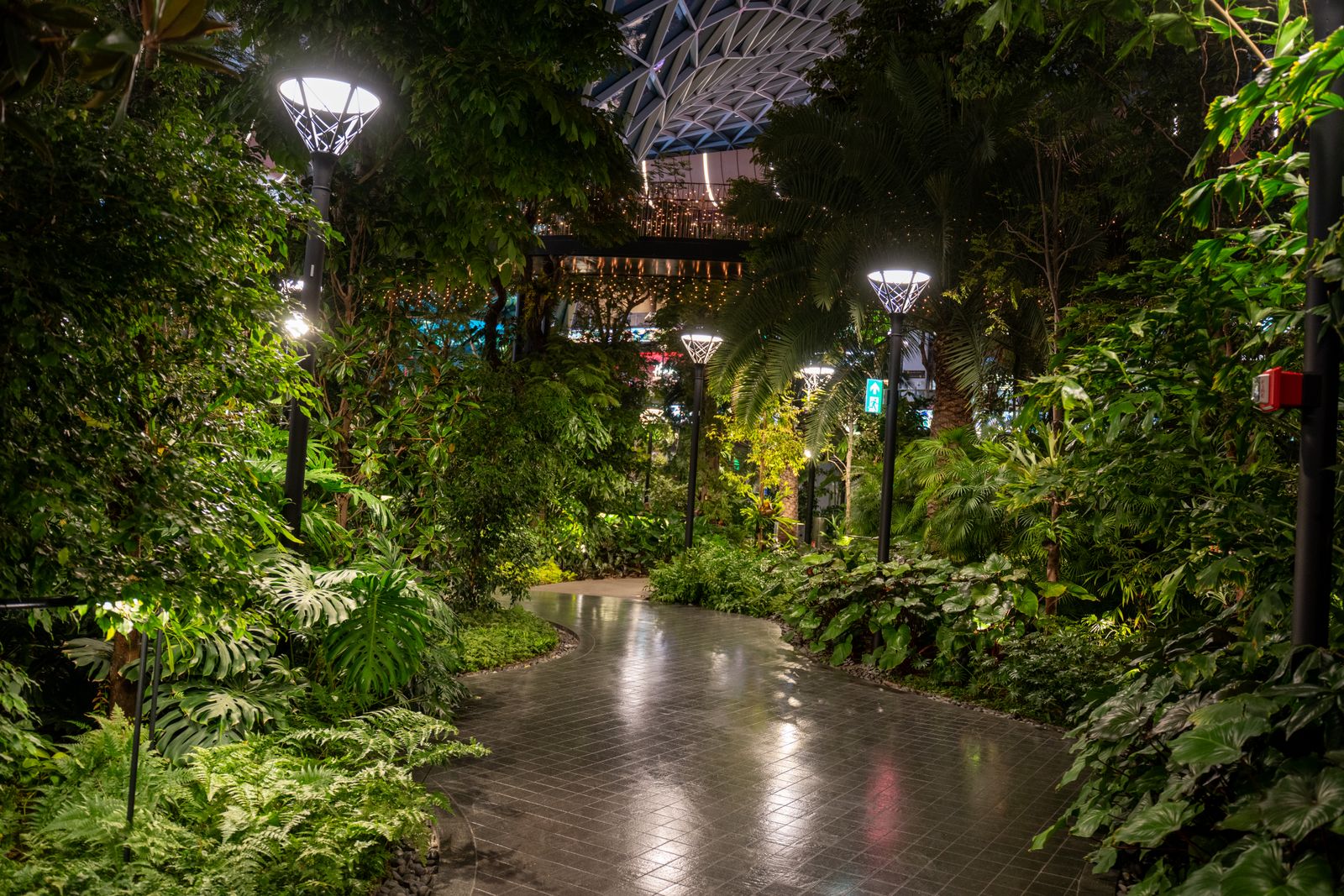
Gate posts are usually the most substantial posts in a fence, because they carry the gate's weight and take the impact of it closing. That is good news for mounting.
Solar Post Cap Lights are sold as a 6 pack, which typically covers both gate posts plus the corner posts where the passage meets the front and back yards — the full route rather than just the gate.
Charging in a shaded side passage
This is the one genuine constraint. The lights charge on 6-8 hours of full and direct sunlight into an included 1000mAh NI-MH AA rechargeable battery, and a north-facing side passage between a house and a fence is one of the more shaded spots on a property.
The thing that saves it is height. Ground level in the passage may be shaded all day, while the post tops sit at or above the fence line and see open sky. Before committing, stand in the passage at midday and look at the post tops rather than the ground — if they are in sun, the lights will charge. If a tree or the house itself shades the tops as well, the gate posts at the street end of the passage will usually do better than the ones in the middle. Our notes on keeping a perimeter reliably lit cover how to handle a run where some positions charge better than others.
The automatic on/off sensor means there is no switch to reach in a dark passage, which is worth something on its own.
FAQ
Will two lights be enough for a whole side passage? For a short passage of ten or fifteen feet, yes — marking the gate marks the route. Longer passages benefit from a third light at the opposite end, so you are never walking toward a dark point.
Is the light bright enough for a security camera to use? No. Cameras need substantially more illumination than marker lighting provides, and most side-access cameras rely on their own infrared instead. The lights help you see the gate; they are not camera lighting.
Should the light stay on all night for security? Runtime depends on the charge stored during the day, so it will be longest in summer and shorter in winter. Practically, the hours that matter for a side gate are the evening ones when people are coming and going, and that is when a well-charged light is at its brightest.
My side gate is on a shared boundary. Whose fence is it? Worth establishing before you fit anything to it, since gate posts on a boundary line are sometimes jointly owned. A short conversation with the neighbor beforehand avoids the awkward version of that discovery.
The practical next step
Go out to the side gate after dark tonight with nothing in your hands and try to find the latch. Whatever you reach for by feel — the latch, the post, the step — is where a point of light belongs, and it will normally be exactly two places.
Cover photo by Nothing Ahead on Pexels.