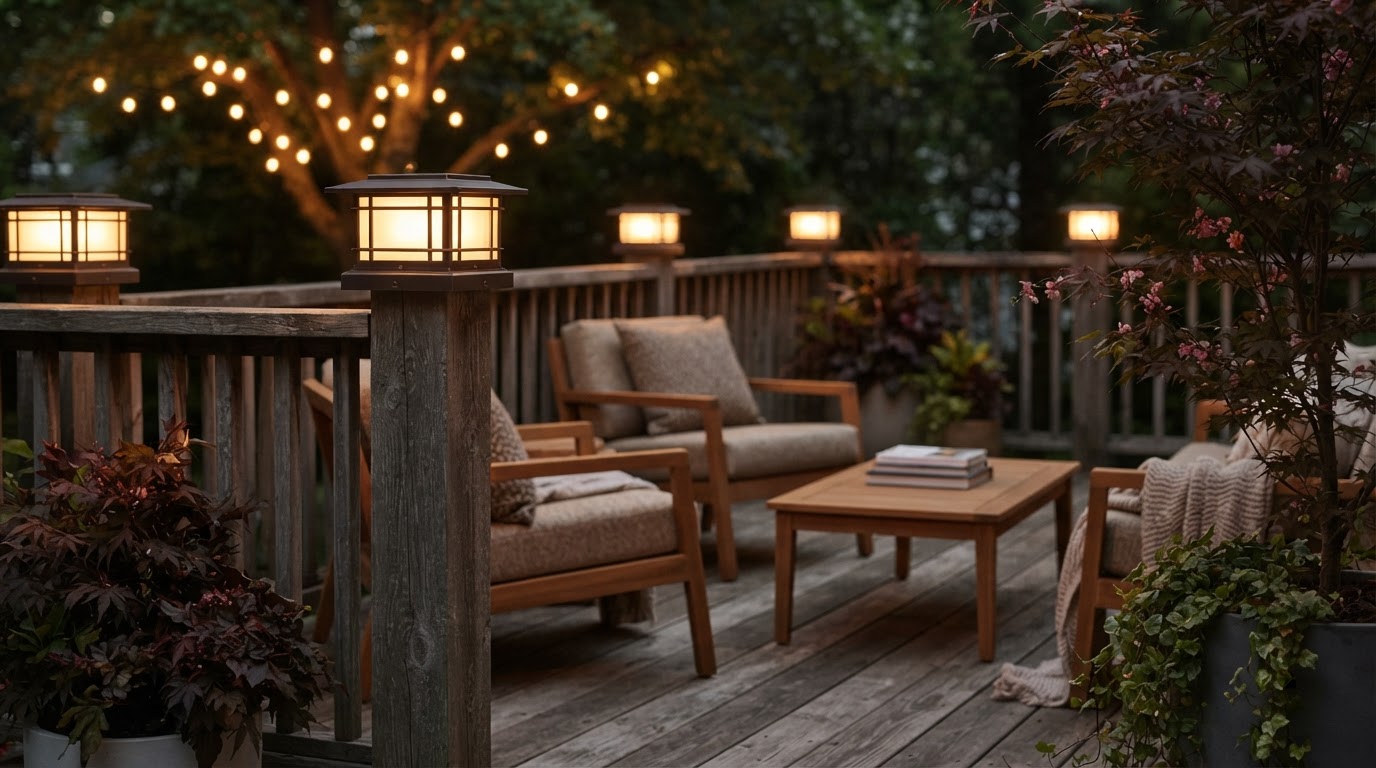
Why choose warm white Solar Post Cap Lights for a deck?
 Maya ChenContributing Editor
As of July 31, 2026, warm white Solar Post Cap Lights provide a lower color temperature, typically between 2700K and 3000K, which is statistically preferred for residential ambiance over high-kelvin cool white alternatives.
The conventional wisdom says that brighter is always better for outdoor security and visibility. However, homeowners often find that high-intensity cool white light creates a sterile, institutional atmosphere that clashes with natural wood or vinyl fencing. Choosing the right color temperature is not just a matter of taste; it affects how the human eye perceives depth and texture on a deck or perimeter fence during the evening hours.
Are warm white LEDs less bright than cool white versions?
No, the perceived brightness of warm white Solar Post Cap Lights is a function of lumen output rather than color temperature, though the visual impact differs significantly. While cool white LEDs often appear "sharper," manufacturers like Classy Caps have bridged the gap by utilizing high-output surface mount LEDs that maintain consistent visibility regardless of the warmth setting. For instance, the Majestic Solar Post Cap features a switch allowing users to toggle between warm and bright white modes, utilizing 4 high-output LEDs to ensure the path remains illuminated. Run the math: a 10-lumen warm light provides the same objective foot-candles as a 10-lumen cool light, but the warm light reduces the harsh glare that often leads to visual fatigue in social settings. For those prioritizing maximum raw visibility, reviewing brightest solar post cap lights can provide a baseline for lumen expectations.
Does warm white light affect solar battery longevity?
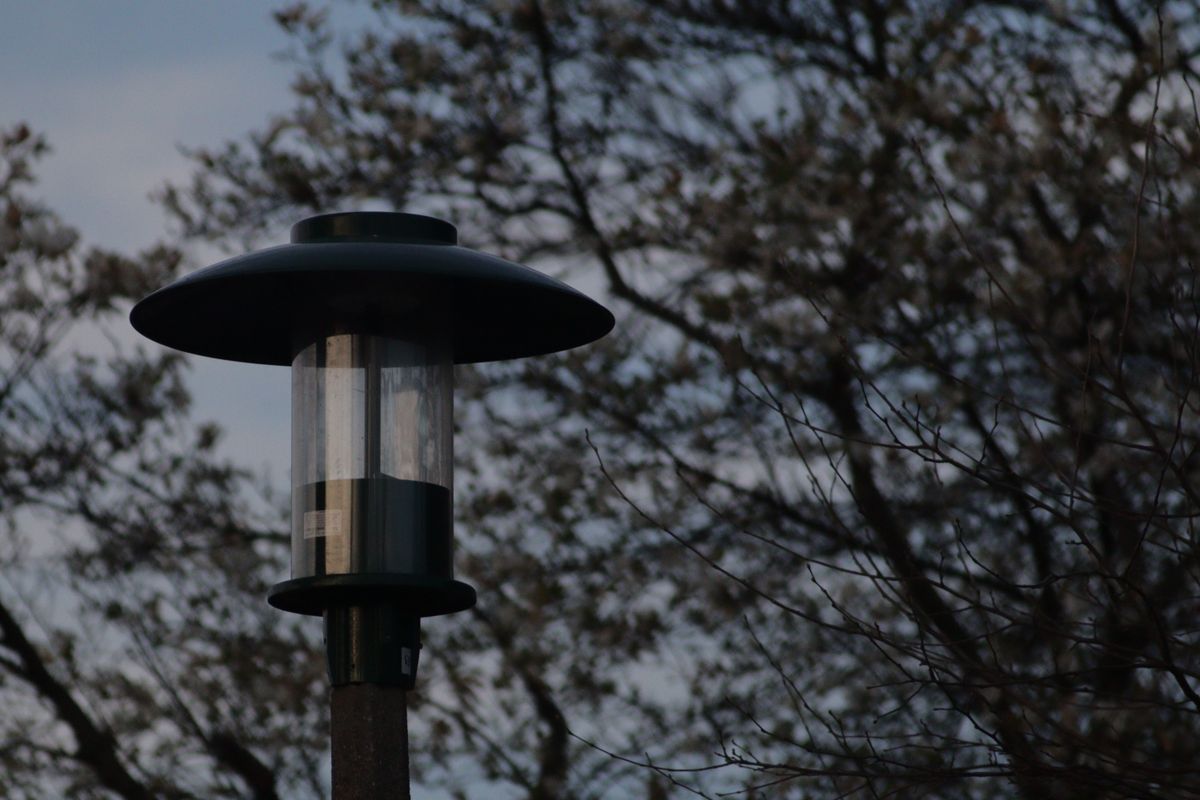
Photo by Gergő Køvács on Pexels
Warm white LEDs do not inherently drain more power, but their application in high-end fixtures often coincides with better battery management systems. Here’s the part nobody talks about: the efficiency of the solar panel and the milliamp-hour (mAh) rating of the internal battery matter more than the LED color. Products such as the Imperial Solar Post Cap Light from Ideal Garden Lights are engineered to provide up to 10 hours of illumination each night using dual LEDs, regardless of whether the warm or bright setting is selected. This consistency suggests that the power draw between the two spectrums is negligible in modern semiconductor design. To ensure these components survive the seasons, many homeowners prioritize waterproof solar post lights for deck installations to prevent moisture from degrading the LED circuitry. I’ll change my mind when independent laboratory testing shows a statistically significant delta in diode degradation rates between 3000K and 5000K chips in outdoor enclosures.
Quick answers
Q: What is the typical color temperature for warm white solar caps? A: Most residential models, such as those from Nature’s Solar Lights, utilize LEDs in the 2700K to 3000K range to mimic traditional incandescent bulbs.
Q: Can I change the light color after installation? A: Many modern Solar Post Cap Lights, including the Majestic and Imperial series, feature an internal toggle switch to select between warm and cool white modes.
Q: How long do warm white solar lights typically stay lit? A: High-quality units are rated for 8 to 10 hours of runtime, provided the solar panel receives at least 6 hours of direct sunlight during the day.
Q: Are warm white solar caps more expensive? A: Pricing is generally identical within the same product line; for example, Nature’s Solar Lights offers white aluminum caps at approximately $106.00 with the option for either LED type.
Learn more about Solar Post Cap Lights at https://solarpostcaplights.com.
Sources
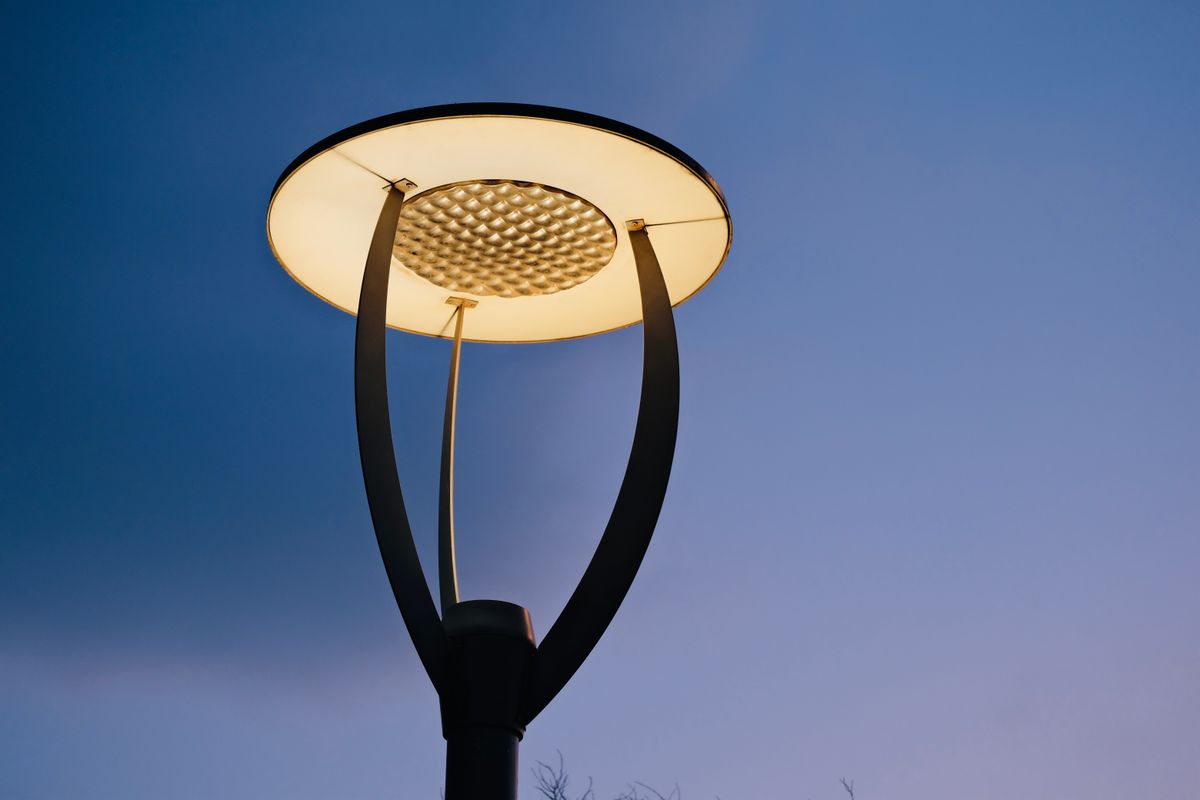
- Majestic Solar Post Cap - White
- Solar Post Cap Lights | Solar Carriage Lights | Bird Bath ...
- Solar Post Cap Lights Tested | Worth Buying?