Only Some Caps in a Run Are Lighting Up: Diagnosing an Uneven Post Line
When part of a run lights up at dusk and part of it stays dark, the batch is almost never the problem. Every cap is a self-contained device with its own panel, its own battery and its own sensor, so an uneven line is really a map of local conditions along the fence. The fix starts in daylight, position by position, not at night with a flashlight.
Why one cap can go dark while the one beside it works
There is no wiring between post caps. Each light in a six pack charges its own 1000mAh Ni-MH AA cell from the panel in its own lid, and each one decides independently when to switch on using its own automatic sensor. Nothing is shared and nothing is daisy-chained. That independence is exactly what makes solar caps easy to fit to a fence with no electrician, and it is also why one run can finish the night with three bright caps, two dim ones and one dead one.
So stop hunting for a single fault and look instead at what is different about the dark positions. Usually the answer is how many hours of direct sun that lid actually receives. Second most often, it is something physical inside that one housing.
Start with a daylight survey, not a night walk
Photo by Karl Forterre on Pexels
A night walk tells you which caps are dark. A daylight survey tells you why. Go out at roughly two in the afternoon, when the sun is high and strong, and stand at each post in turn looking at the lid rather than the garden.
What you are checking is whether the top face of that cap is in full, unfiltered sun at the strongest part of the day. A cap under a tree canopy, tucked beside a garage wall, under a soffit or shaded by a taller neighbor fence can look perfectly bright to your eye while receiving a fraction of the light its neighbor gets. These lights want a full charge from six to eight hours of full and direct sunlight. Filtered sun through leaves is not the same input, and a cap that never gets a full charge will run out partway through the night while the rest of the line keeps going.
Make a rough sketch of the fence and mark each post as full sun, part sun or shade. That sketch usually explains the pattern before you touch a single light.
A step-by-step diagnosis for a patchy run
Symptom to cause at a glance
| What you see | Most likely cause | First thing to try | |---|---|---| | Two or three caps quit after an hour or two | Partial charge from shade or a dirty panel | Clean the lid, then relocate or unshade the post | | One cap never lights at all | Battery seating, polarity or a blocked sensor | Reseat the cell and clean the sensor window | | Caps at one end of the run are always weakest | That end faces away from the sun or is overshadowed | Swap those caps to a sunny post to confirm | | Whole run is weaker than it was in summer | Shorter days and a lower sun angle | Expect shorter runtime and clean panels more often | | One cap flickers on and off | Marginal charge or an intermittent contact | Reseat the cell, then give it a full sunny day |
The positions that go dark first
Some spots on a fence line are simply harder posts, and they fail in a predictable order. The post nearest the house often sits in the building shadow for half the day. Posts under a tree get dappled light that never adds up to a full charge, and they collect leaf litter and sap on the lid. Posts on the north side of a boundary get the least direct sun on the property. Gate posts take a knock every time the gate swings, which is enough to unseat a battery over a season.
If your dark caps line up with any of those descriptions, you have found the cause. The fix is to move light-hungry positions to the sunniest posts and accept that shaded posts will always be the weakest link. For a wider look at keeping a whole boundary consistent, see the guidance on optimizing a solar post cap line for perimeter reliability.
The swap test: is it the post or the light?
This is the single most useful thing you can do, and it costs nothing. Take a cap that has been performing well and put it on a dark post. Take the dark cap and put it on the good post. Leave both for one full sunny day and look again after dusk.
If the problem moves with the position, the post is the issue and no replacement light will fix it. If the problem moves with the cap, that unit needs attention. This one test separates the two causes cleanly and saves you from replacing hardware that was never faulty.
What a genuinely tired unit looks like
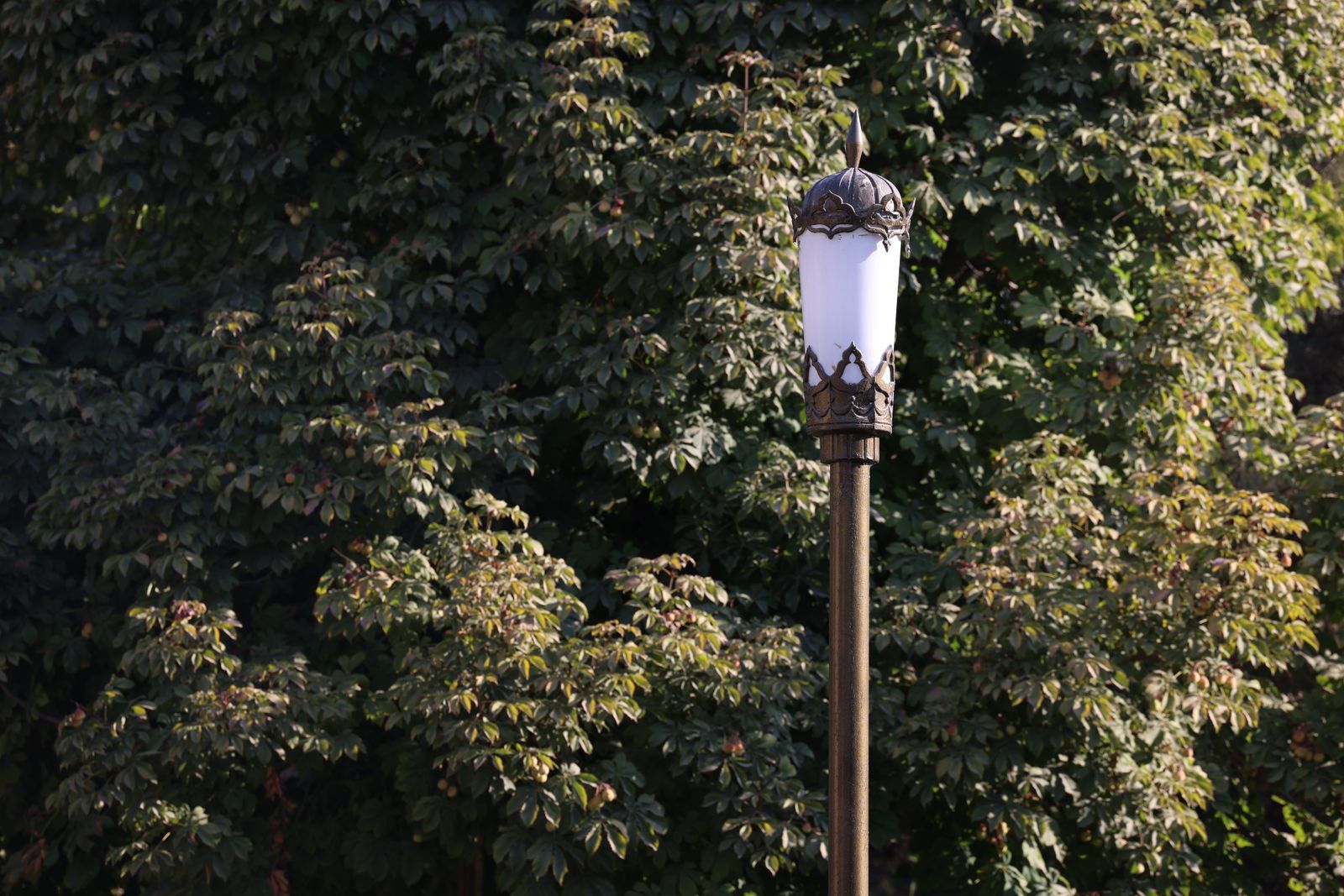
Photo by Xayriddin Baxromxo'jayev on Pexels
A unit at the end of its useful life behaves consistently. It charges all day in confirmed full sun, has a clean panel and a properly seated cell, and still lights weakly or for only a short time. Ni-MH cells lose capacity gradually with each charge cycle, so a cap that used to carry the night and now fades early is showing normal wear rather than a defect. Because the cell is a standard rechargeable AA, that is a replaceable part rather than a reason to bin the cap.
Moisture ingress is the other real failure. These caps carry an IP44 rating, which covers rain, snow, frost and sleet in normal outdoor use, but a housing that has been forced, dropped or cracked can let water reach the contacts. Corrosion on the terminals of a single cap explains a single dead light. If the housing on a run has been exposed to standing water or persistent damp, the notes on how long these lights last in high humidity are worth reading alongside the reality behind waterproof ratings on fence caps.
Keeping the run even from here
An even line is a maintenance habit, not a purchase decision. Clean every lid on the same day, two or three times a year and after any heavy pollen event. Reseat batteries whenever you open a housing, and check gate posts more often than the rest. Cut back the branch that shades one post rather than replacing the cap under it, and rotate units between strong and weak positions so wear spreads across the set.
FAQ
Can a dead cap drain the working ones next to it? No. There is no electrical connection between caps, so a failed unit has no effect on its neighbors. If several go dark around the same time, they share a cause such as shade, dirt or the season, not a circuit.
Why do half my caps quit at two in the morning? That is a charge problem rather than a fault. Those units went into the night with a partial charge, usually because their panels are shaded for part of the day or coated with a film. Clean the lids and check the sun exposure at those specific posts.
Should I replace the whole set if two lights fail? Not before the swap test. If the fault stays with the post, replacing hardware changes nothing. If it follows the unit, start with the rechargeable AA cell and the contacts, since both are serviceable.
Is it normal for the same two posts to be weakest every year? Yes, and it is useful information. Those posts get the least sun on your property. Either improve their exposure by trimming what shades them or accept shorter runtime there and rotate units through those positions.
What to do next
Sketch the fence, mark the sun at each post this afternoon, clean every lid, and set up one swap test between your best and worst position. By the second evening you will know whether you are dealing with geography or hardware, and that answer decides everything else.
Cover photo by Robert So on Pexels.