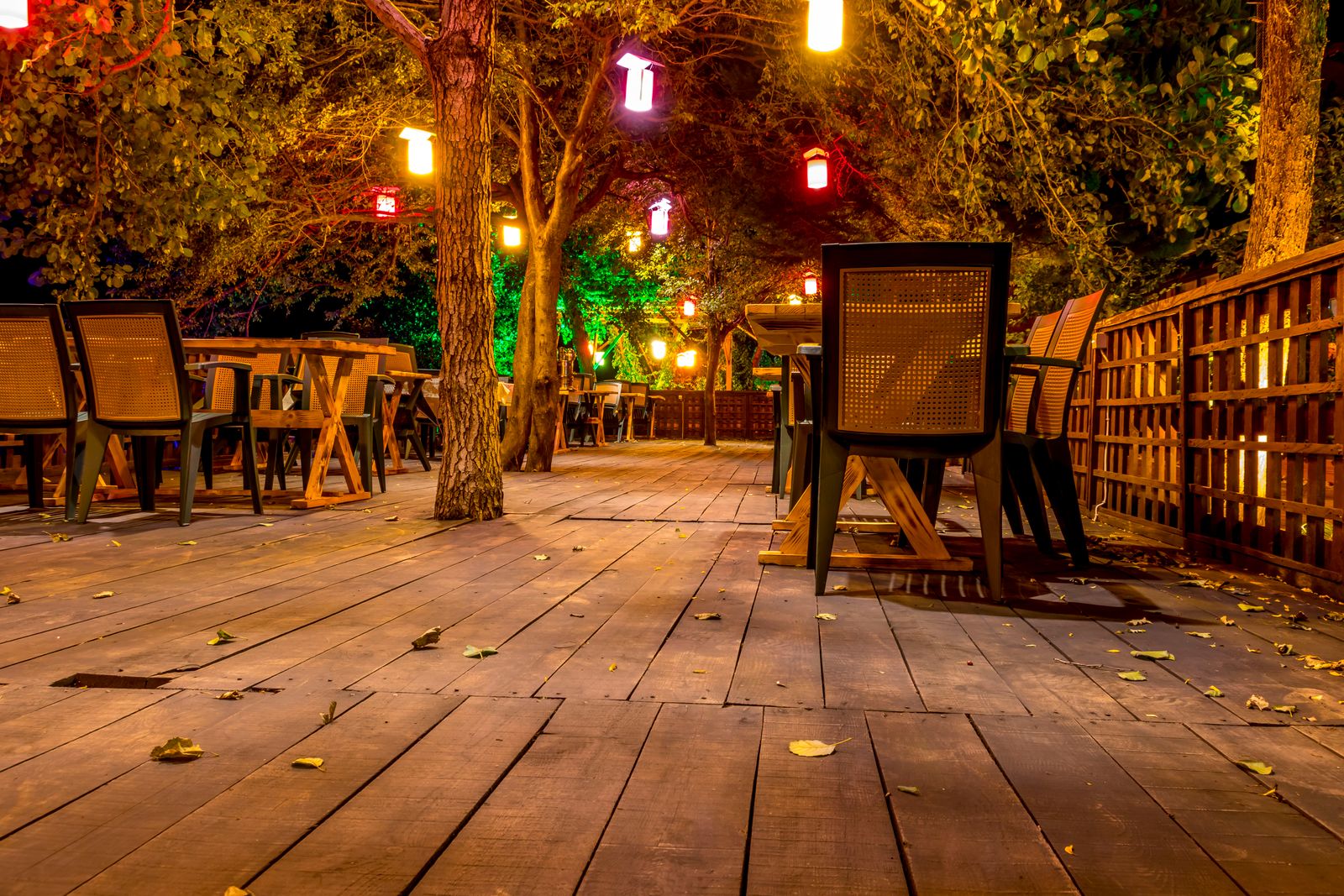
How to Position Solar Fence Lights for Maximum Yard Security and Aesthetic Warmth
Space 15-lumen solar post cap lights 6 to 8 feet apart (every 1 to 2 fence posts) to maintain continuous perimeter illumination for security. Position caps on all corner and gate posts, ensuring each light receives 6 to 8 hours of direct sunlight daily for full 360-degree night coverage.
Key Placement Rules at a Glance
15-Lumen Solar Post Cap Technical & Light Dispersion Specs
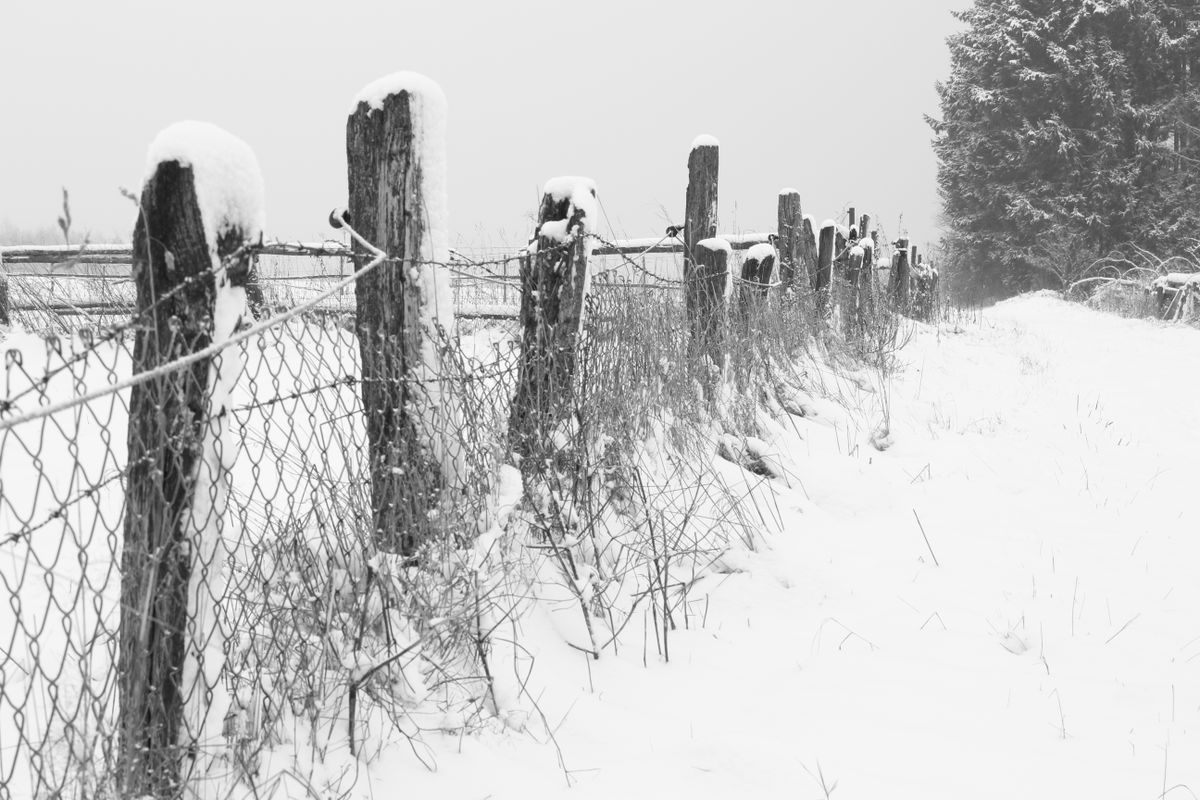
Photo by Michael Nowarra on Pexels
| Specification Metric | Performance Value | Technical Impact on Placement |
| --- | --- | --- |
| Luminous Output | 15 Lumens | Casts a 3 to 4 ft ground radius per post; requires 6–8 ft spacing for continuous light overlap. |
| Light Source | 8 Warm White SMD LEDs | Delivers 360-degree horizontal dispersion with uniform warmth (approx. 3000K) and zero cold glare. |
| Energy Storage | 1000mAh Ni-MH AA Rechargeable | Provides up to 8–10 hours of continuous nighttime operation when fully charged. |
| Solar Charge Window | 6–8 Hours Direct Sunlight | Requires placement outside dense tree foliage or porch roof overhangs. |
| Base Compatibility | Multi-Base (3.5" to 5.5" True Sizes) | Fits standard true 3.5x3.5, 4x4, 4.5x4.5, 5x5, and 5.5x5.5 wood, vinyl, or plastic posts. |
| Weather Rating | IP44 Waterproof | Resists rain splash, snow accumulation, and freezing frost in open exterior perimeters. |
Review the technical parameters governing post spacing, light dispersion, and solar charging efficiency for modern post cap fixtures.
Perimeter Placement Schematics: Security vs. Aesthetic Warmth
This diagram illustrates bird's-eye layout options comparing every-post vs. alternating-post positioning on a residential fence line.
Recommended Solution: 6-Pack 15-Lumen Solar Post Cap Lights
For standard residential fence lines and deck railings, the 6-Pack Modern Solar Post Cap Light Set offers the ideal balance of high lumen output, weatherproofing, and multi-base versatility.
- 3X Brighter Output: 15 Lumens generated by 8 warm white SMD LEDs per fixture.
- Universal Fit: Multi-base design fits 3.5"x3.5", 4"x4", 4.5"x4.5", 5"x5", and 5.5"x5.5" posts.
- Built for All Seasons: IP44 waterproof housing with included 1000mAh Ni-MH AA batteries.
- Zero Wiring Required: Automatic dusk-to-dawn sensor turns lights on nightly.
Fence Post Cap Spacing & Pack Calculator
Use this formula model to calculate the exact number of post cap lights and 6-packs needed for your fence run.
Pro Tip: Staggering Lights for Corner and Gate Visibility
When illuminating property corners and access gates, do not align post cap lights symmetrically across narrow openings if nearby trees block western light. Instead, prioritize mounting solar post caps directly on the gate hinge post and the opposite corner post. This ensures that critical entry latches are illuminated by a direct 15-lumen down-beam, while maintaining uninterrupted solar panel exposure along the unshaded sections of the fence line.
Placement Decision Framework: High Security vs. Soft Accent
Choose your post cap light placement based on whether your primary target is continuous perimeter security illumination or soft aesthetic deck framing.
Best choice for
- Every Post Spacing (6–8 feet apart) — Eliminates dark spots completely by overlapping 15-lumen beam radii continuously along property lines.
- Alternating Post Spacing (12–16 feet apart) — Provides adequate path visibility and perimeter demarcation without creating a harsh commercial lighting appearance.
- Fence line receives less than 4 hours of unshaded sunlight daily (batteries will not fully charge 1000mAh capacity).
- Posts are spaced wider than 20 feet apart with no intermediate mounting points (creates dark security blind spots).
- Hardwired Low-Voltage Post Cap Lighting — Better suited for heavy year-round deep shade environments with zero direct sunlight access.
Featured Hardware: Universal Multi-Base Solar Post Caps
Select the ideal color finish and base sizing configuration for your outdoor fence or deck project.
The Physics of 15-Lumen Downward Light Dispersion
Achieving effective yard security without harsh, blinding floodlights comes down to beam dispersion geometry. Standard solar garden lights produce roughly 5 lumens, casting a faint glow that fades within 12 to 18 inches of the base. In contrast, a 15-lumen post cap light powered by 8 warm white SMD LEDs produces three times the luminous intensity, directing light outward and downward in a complete 360-degree cone.
When mounted at a standard fence height of 5 to 6 feet, each 15-lumen post cap light casts an illuminated ground radius of approximately 3.5 to 4 feet. This creates an overall light footprint of 7 to 8 feet in diameter directly beneath and around the post.
To prevent dark "shadow valleys"—unlit gaps between posts where intruders or trip hazards remain hidden—the beam radius of adjacent lights must meet or overlap. Spacing your fixtures 6 to 8 feet apart (mounting on every post on a standard 6-foot post run, or every second post on a 4-foot run) creates a continuous, unbroken line of warm illumination along your fence line.
Calculating Solar Exposure and Panel Orientation
Solar post cap lights depend on top-mounted photovoltaic panels to recharge their internal 1000mAh Ni-MH AA batteries. To achieve up to 10 hours of overnight run time, the solar panels require 6 to 8 hours of direct, unshaded sunlight daily.
When mapping your fence or deck installation, evaluate solar orientation throughout the peak daytime sun window (10:00 AM to 4:00 PM):
Gate Latch and Perimeter Corner Strategies
Property boundaries are most vulnerable at transition points—specifically access gates and 90-degree fence corners. Applying Crime Prevention Through Environmental Design (CPTED) principles ensures these areas receive focused illumination:
- Gate Posts: Mount a solar post cap light directly on both the hinge post and latch post. Illuminating both sides of a gate eliminates shadows on latch hardware and provides bright foot well guidance.
- Corner Posts: Corner posts mark the edge of sightlines for security cameras and indoor window views. Placing a 15-lumen cap light on every corner post clearly defines property limits and eliminates dark blind spots at the yard edges.
Accommodating Wood, Vinyl, and Plastic Post Dimensions
One common installation obstacle is the discrepancy between nominal and actual post sizes. A standard wood post sold as "4x4" actually measures 3.5" x 3.5", while a hollow vinyl sleeve labeled "4x4" measures a true 4.0" x 4.0".
Modern solar post cap lights solve this by including universal multi-size adapter bases. By using the appropriate included insert or base plate, a single fixture seamlessly mounts flush to true 3.5"x3.5", 4"x4", 4.5"x4.5", 5"x5", or 5.5"x5.5" post tops, preventing water pooling and securing the fixture against high winds.
Placement Strategy Comparison Across Yard Scenarios
| Scenario / Goal | Post Spacing Distance | Target Lumen Density | Sun Exposure Needed | Security Rating |
| --- | --- | --- | --- | --- |
| High-Security Perimeter | 6 to 8 Feet (Every Post) | 15 Lumens per 6 Linear Feet | 6–8 Hours Direct Sunlight | Maximum (Zero Blind Spots) |
| Ambient Deck Railing | 12 to 16 Feet (Every 2nd Post) | 15 Lumens per 12–16 Linear Feet | 5–6 Hours Direct Sunlight | Moderate (Soft Boundary) |
| Partial-Shade Boundary | 8 to 10 Feet (Staggered) | 15 Lumens per 8–10 Linear Feet | 6+ Hours Filtered / Direct Sun | Moderate-High Security |
| Gate & Access Focus | Dual-Post Mount (Both Sides of Gate) | 30 Lumens Combined at Opening | 6–8 Hours Direct Sunlight | Maximum Access Point Defense |
Compare placement rules, target lumen density, and solar needs across common residential property scenarios.
5 Critical Placement Errors That Ruin Yard Security
- Over-Spacing Beyond 12 Feet on Security Runs: Placing lights more than 12 feet apart creates wide unlit gaps between 15-lumen beam radii, leaving dark valleys along property lines.
- Mounting Under Eaves or Heavy Foliage: Installing post caps directly beneath tree canopies or low roof overhangs blocks solar panels from receiving the required 6 to 8 hours of sun, leading to premature night shut-off.
- Ignoring Gate Latch Illumination: Lighting surrounding fence posts while leaving functional gate latch posts in total darkness leaves key access points vulnerable.
- Forgetting Nominal vs. True Post Dimensions: Ordering post caps without checking true post measurements can result in loose fits or overhangs. Verify whether your post is true 3.5", 4.0", or 5.5" before securing adapters.
- Neglecting Solar Panel Maintenance: Allowing dust, tree sap, or snow to accumulate on top-mounted solar panels blocks sunlight transmission to the 1000mAh battery, reducing light output.
Related Exterior Lighting Guides
- Perimeter Lighting Buying Guide: Symmetrical Solar Post Layouts for Every Yard Size
- Solar Post Cap Lighting vs. Hardwired Landscape Illumination for Perimeter Defense
- Best Solar Lights for Fence Perimeter Security: A Complete Buying Guide
Frequently Asked Questions
Actionable Implementation Steps for Homeowners
Your decision: Determine whether your yard layout requires 'Every Post' high-security illumination or 'Alternating Post' ambient framing.
Do this next: Measure your fence line linear footage, identify solar exposure windows (6-8 hours direct sun), and calculate required 6-packs.
- Read next: How to Install and Fit Solar Post Cap Lights on Any Wood or Vinyl Deck Post
6-Pack Modern 15-Lumen Solar Post Cap Lights (Multi-Base Fit)
Follow these simple steps to measure, select, and install your solar post cap lights for maximum security and curb appeal.
Cover photo by Zafer Erdoğan on Pexels.