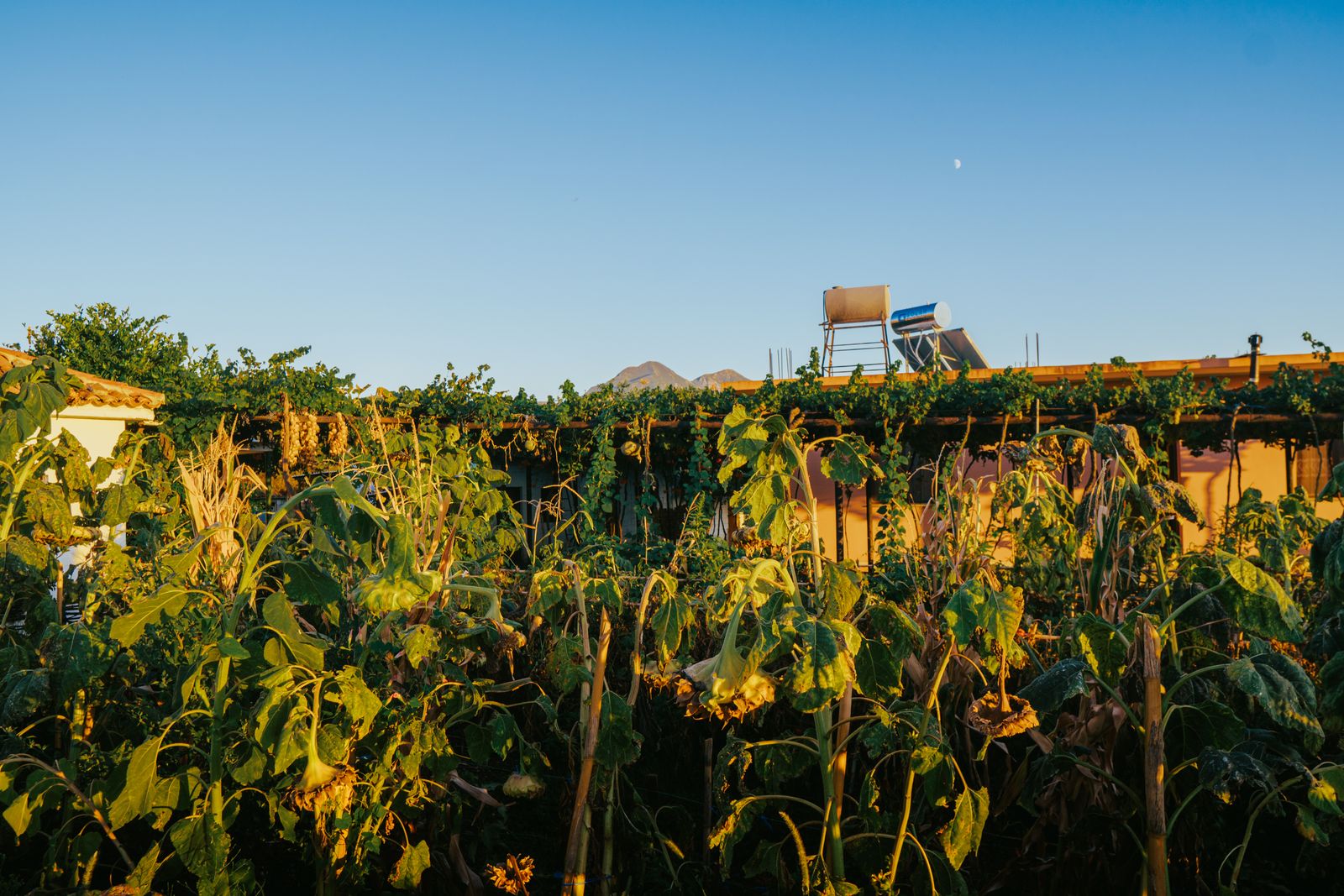
Solar Post Cap Lighting vs. Hardwired Landscape Illumination for Perimeter Defense
Should you choose solar post cap lights or hardwired 12V lighting for fence perimeter security?
Solar post cap lights deliver zero-trenching, low-cost continuous perimeter framing that installs in minutes without professional electrical labor. Hardwired 12V systems offer higher localized lumen output but incur heavy trenching costs, wire vulnerability, and voltage drop across long runs. For residential fence boundaries, elevated 15-lumen solar post caps provide superior cost-to-coverage security deterrence and eliminate dark boundary gaps.
Perimeter Defense Comparison Matrix
| Scenario / Property Profile | Solar Post Cap Lights (6-Pack 15 Lumen) | Hardwired 12V Low-Voltage System | Security Defense Winner |
| --- | --- | --- | --- |
| 100 Linear Ft Wooden Privacy Fence (DIY Installation) | Total Cost: ~$60-$90. Install Time: 30 minutes. Zero trenching, no wire runs. Continuous 360° post illumination. | Total Cost: $800-$1,400 (Transformer, 12/2 wire, fixtures, trenching). Install Time: 8-12 hours. Professional wiring required. | Solar Post Caps (90% Cost Savings & Zero Turf Damage) |
| 250 Linear Ft Suburban Property Boundary (Multiple Gate Points) | Total Cost: ~$150-$220. Independent fixtures ensure continuous operation even if one cap is damaged. | Total Cost: $2,200-$3,800. High risk of end-of-line voltage drop; wire cuts freeze entire boundary section. | Solar Post Caps (Modular Independence & Uniform Glow) |
| Heavy Tree Canopy Boundary (Dense Year-Round Shade) | Reduced solar panel recharge; runtime may drop to 4-5 hours during deep winter months. | Constant lumen output powered by central transformer regardless of tree cover. | Hardwired 12V (Consistent Power Under Deep Shade) |
| Finished Vinyl or Composite Deck & Fence Retrofit | Multi-base adapters (3.5" to 5.5") snap directly over posts without drilling internal wire channels. | Requires dismantling post sleeves or routing conduit through internal structural supports. | Solar Post Caps (Preserves Post Warranty & Structure) |
Evaluating security lighting performance across common property perimeter scenarios reveals stark differences in total cost, installation complexity, and long-term durability.
Evaluating Failure Modes & System Trade-offs
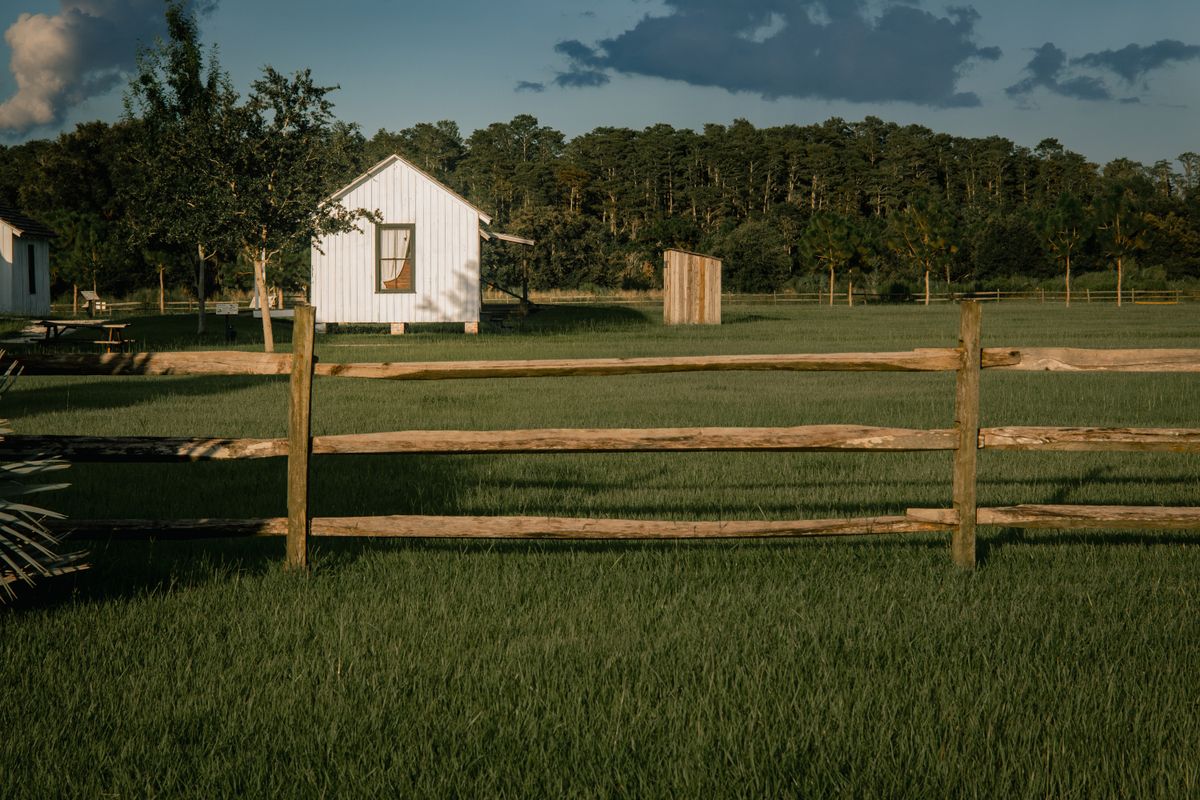
Photo by Elisanette Ortiz on Pexels
To choose the correct perimeter defense, homeowners must evaluate how each system fails under stress before assessing aesthetic benefits.
Critical Perimeter Lighting Mistakes to Avoid
Avoid these frequent planning and installation mistakes when setting up outdoor perimeter lighting:
Fence Perimeter Lighting TCO & Cost Calculator
Estimate total upfront materials, contractor labor, and 3-year total cost of ownership (TCO) for your property boundary line.
Expert Recommendation: System Selection Guide
For 85% of Residential Property Lines: Choose Solar Post Cap Lighting. If your fence receives 4 to 6 hours of daily ambient daylight, high-output 15-lumen solar post cap lights are the clear winner. They eliminate thousands of dollars in trenching costs, preserve turf and post structures, and provide clean 360-degree boundary framing that discourages trespassers without creating harsh glare.
For Heavy Shade or High-Risk Entry Gates: Choose a Hybrid Approach. Use solar post cap lights along the main length of your perimeter fence for continuous visual boundary framing, and supplement with a targeted hardwired motion-activated floodlight at primary driveway or gate entry points.
Key Takeaways for Homeowners
- Security relies on continuous boundary visibility, not blinding point-source spotlight glare.
- Solar post cap lights eliminate $15–$35 per linear foot in wire trenching, electrical conduits, and contractor labor.
- A 15-lumen SMD LED output provides 3X the brightness of standard garden solar stakes, ideal for framing yard boundaries.
- Included multi-base adapters ensure fit across true post sizes from 3.5"x3.5" up to 5.5"x5.5" on wood, vinyl, or plastic.
- Hardwired systems are best reserved for dense, year-round deep canopy shade where direct sunlight cannot reach panels.
Decision Support & System Selection Criteria
Choose solar post cap lights for immediate DIY perimeter security, cost savings, and flexible mounting across standard fence posts. Opt for hardwired or hybrid setups only when permanent year-round shade prevents battery recharge.
Best choice for
- 6-Pack Solar Post Cap Lights — Snaps directly onto posts using multi-base adapters with zero wire routing or landscape disruption.
- Solar Post Cap Modular System — Avoids severe voltage drop and hundreds of dollars in heavy-gauge 12/2 underground wiring.
- Hardwired 12V Low-Voltage Lighting — Delivers constant power when solar panels cannot access direct sunlight.
- Avoid solar post caps on fence lines situated under continuous 100% solid roof overhangs or dense northern-facing building shadows.
- Avoid hardwired systems if your fence line crosses established tree root networks, paved utility easements, or sprinkler zones.
- Hybrid Perimeter Setup — Combines continuous ambient solar post caps on fence panels with motion-activated hardwired floodlights at high-risk gate openings.
Featured Solution: Solar Post Cap Lights (6-Pack)
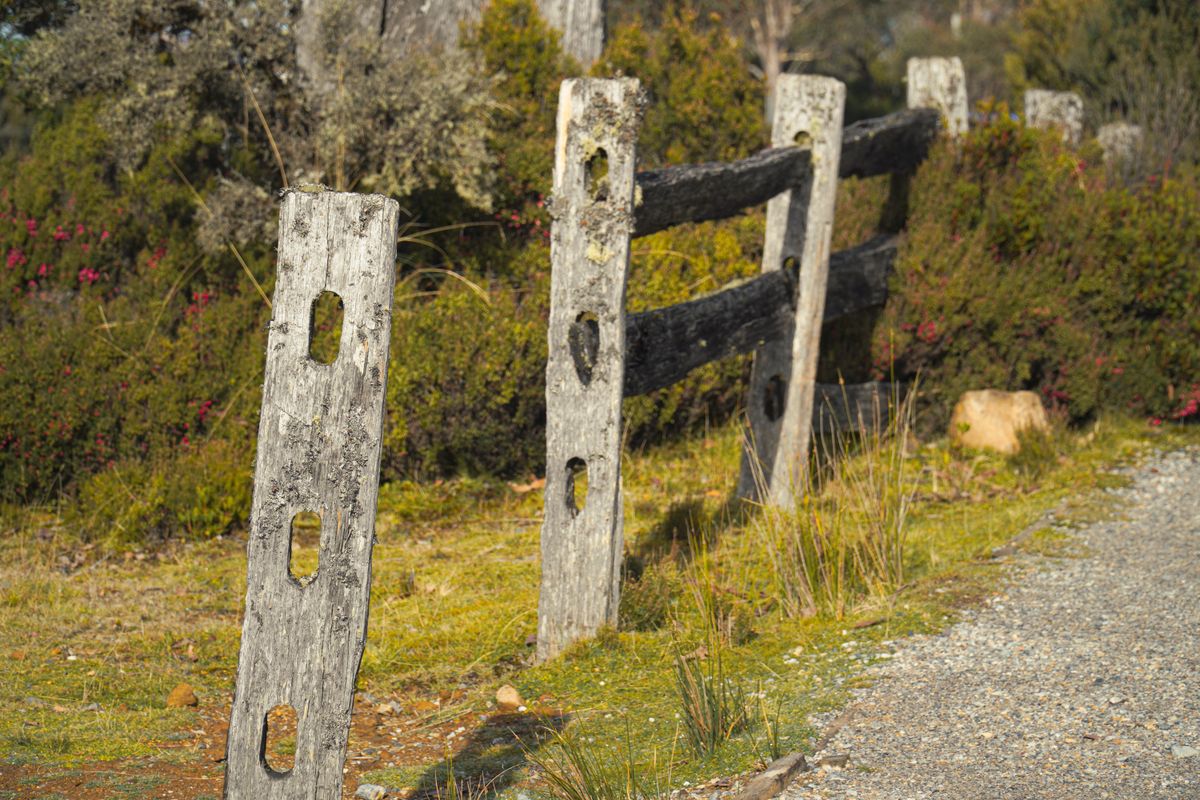
Photo by Anh Thu Le on Pexels
The ideal zero-trenching solution for residential fence security, deck perimeter illumination, and landscape boundaries.
Real-World Installation Scenarios
Suburban Backyard Wooden Privacy Fence (6 ft Height) — Install one 15-lumen solar post cap light every 6 to 8 feet on post tops. The elevated 360-degree glow illuminates fence panels vertically, eliminating dark perimeter pockets while framing property lines clearly for outdoor security cameras.
Vinyl Deck Perimeter & Stair Enclosure — Use the multi-base adapter to fit 4x4 or 5x5 vinyl post sleeves without cutting structural posts. Provides warm white ambient guidance along railings and steps while deterring nighttime trip hazards.
Rural Property Boundary Line with Partial Sun Exposure — Deploy solar post caps across open boundary sections. Independent batteries ensure that if one section receives afternoon shade, adjacent caps continue illuminating the property line reliably.
How solar post cap lights perform across common suburban and rural property types:
The Security Science of Perimeter Illumination: Contrast vs. Lumens
When evaluating perimeter defense, standard security advice often pushes high-wattage, high-lumen floodlighting. However, residential security experts emphasize that continuous low-contrast boundary framing is significantly more effective for perimeter deterrence than high-intensity directional spotlights.
Blinding spotlights create harsh glare for homeowners and security cameras alike, while throwing adjacent non-lit zones into pitch-black shadow. Intruders can easily navigate these shadow gaps. In contrast, elevating 15-lumen solar post cap lights every 6 to 8 feet along a fence line creates an uninterrupted horizontal boundary marker. The 8 warm white SMD LEDs per fixture throw a uniform 360-degree glow across fence pickets, eliminating dark spots without blinding night-vision security cameras.
``` SOLAR POST CAPS: CONTINUOUS 360° OVERLAPPING GLOW (NO DARK GAPS) [ Post Cap ] [ Post Cap ] [ Post Cap ] [ Post Cap ] (15 lm) (15 lm) (15 lm) (15 lm) ---|-------------------|-------------------|-------------------|---
HARDWIRED SPOTLIGHTS: HIGH GLARE WITH DEEP SHADOW GAP TRAPS [ 300lm Spot ] [ 300lm Spot ] / \ / \ =======/ \======= DARK GAP ======/ \======= ```
Total Cost of Ownership (TCO) Economics: Solar vs. 12V Hardwired
The financial difference between installing solar post cap lighting and traditional hardwired low-voltage lighting expands dramatically as fence length increases. Hardwired 12V systems require three distinct cost layers: central power conversion (step-down transformers), heavy-gauge 12/2 direct-burial wire, and direct labor for trenching beneath lawn and garden beds.
- Hardwired Low-Voltage System (100 Linear Feet):
- Solar Post Cap Lighting System (100 Linear Feet):
By eliminating structural alterations, conduit routing, and professional labor, solar post cap lights yield an immediate 90%+ upfront cost reduction while providing zero-cost ongoing grid operation.
Multi-Base Adapter Compatibility & Weather Resilience
A frequent challenge with post-top lighting is post dimensional variance. A nominal "4x4" wooden post actually measures 3.5"x3.5", whereas a vinyl 4x4 post sleeve measures a true 4.0"x4.0". Premium solar post cap kits solve this issue by including precision multi-base adapter plates engineered for true measurements of 3.5"x3.5", 4"x4", 4.5"x4.5", 5"x5", and 5.5"x5.5".
Constructed with an IP44 waterproof rating, these high-impact plastic solar caps resist sustained rain, snow, frost, and sleet. Their internal top-mounted solar panels charge the included high-capacity 1000mAh Ni-MH AA rechargeable battery in 6 to 8 hours of direct sunlight, ensuring dependable dusk-to-dawn security performance year-round.
Related Perimeter & Installation Guides
- Strategic Fence Lighting: How to Eliminate Dark Spots Along Your Property Line
- How to Position Solar Fence Lights for Maximum Yard Security and Aesthetic Warmth
- Solar Post Cap Lights vs. Hardwired Deck Lighting: Which Is Best for Eco-Friendly Perimeter Security?
Frequently Asked Questions
Answers to common technical and installation questions regarding solar post cap lights for fence security:
Actionable Next Steps
Your decision: Determine whether your fence line receives 4 to 6 hours of daily sunlight and verify your fence post dimensions.
Do this next: Measure your fence posts using a ruler across actual nominal dimensions (3.5" to 5.5") before selecting your lighting kit.
- Read next: How to Eliminate Yard Dark Spots: Positioning Solar Post Cap Lights for Maximum Security
- Read next: How to Measure Deck and Fence Posts for Solar Cap Lights: A 3.5" to 5.5" Sizing Guide
Solar Post Cap Lights 6-Pack (15 Lumens, Warm White, Multi-Base Adapter) for immediate zero-trenching perimeter security.
Follow this simple workflow to plan and install your fence perimeter lighting system today:
Cover photo by Artūras Kokorevas on Pexels.