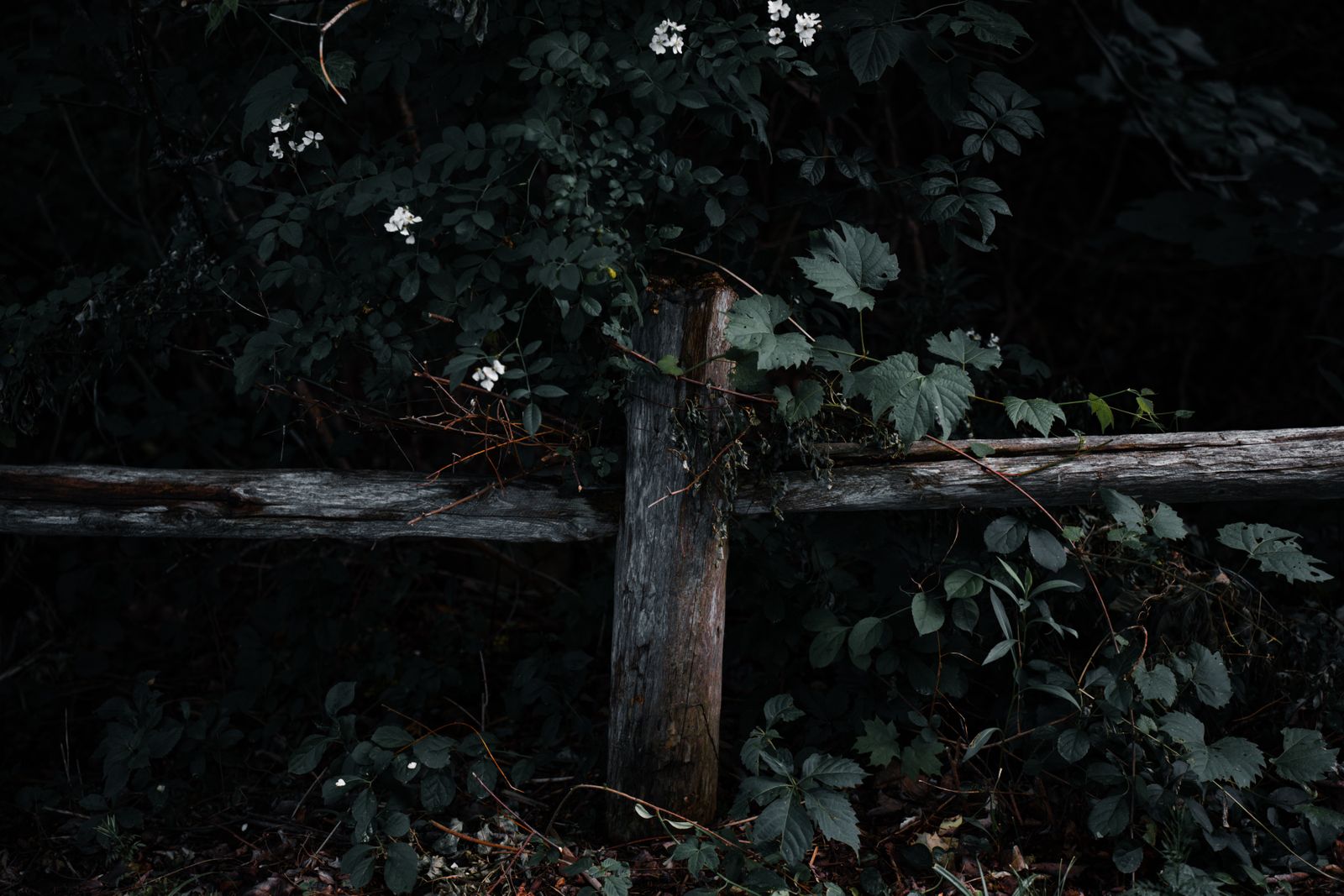
Strategic Fence Lighting: How to Eliminate Dark Spots Along Your Property Line
Strategic fence lighting eliminates dark spots along your property line by putting 15-lumen solar post cap lights on the posts that see sky — corners, gates, and long runs — and leaving hopeless shade empty rather than pretending a dead cap is coverage. Marker light at the post top is orientation and deterrence, not a camera flood. Walk the line at night, mark the holes, and give those holes sun and a level 4x4, 5x5, or 6x6 base.
Dark spots are a map, not a product failure
A property line is a string of posts with different sky. Strategic placement puts the 6-pack where a walker or a gate actually needs a warm white cue. If you space caps evenly on every post, including those under eaves, you manufacture dark spots when those units fail to charge. Eliminate the hole by moving the cap, pruning, or accepting a true dark stretch and lighting the next honest post.
Fifteen lumens of SMD glow marks the timber. It will not fill a 20-foot bay like a wired flood. Along a long driveway, use caps on gateposts and corners, then decide if a dedicated fixture belongs at the latch. A guide to lighting a long driveway entrance and its gateposts is the right companion. Corner lots need two street faces thought through; see the how-to for two street-facing fences.
Security here means being able to see the line, the latch, and a person at the gate — not blinding a sidewalk. HOA and light-trespass rules still apply. IP44 handles rain while the 1000MAH Ni-MH cell handles the night you actually earned.
How to eliminate holes without over-lighting neighbors
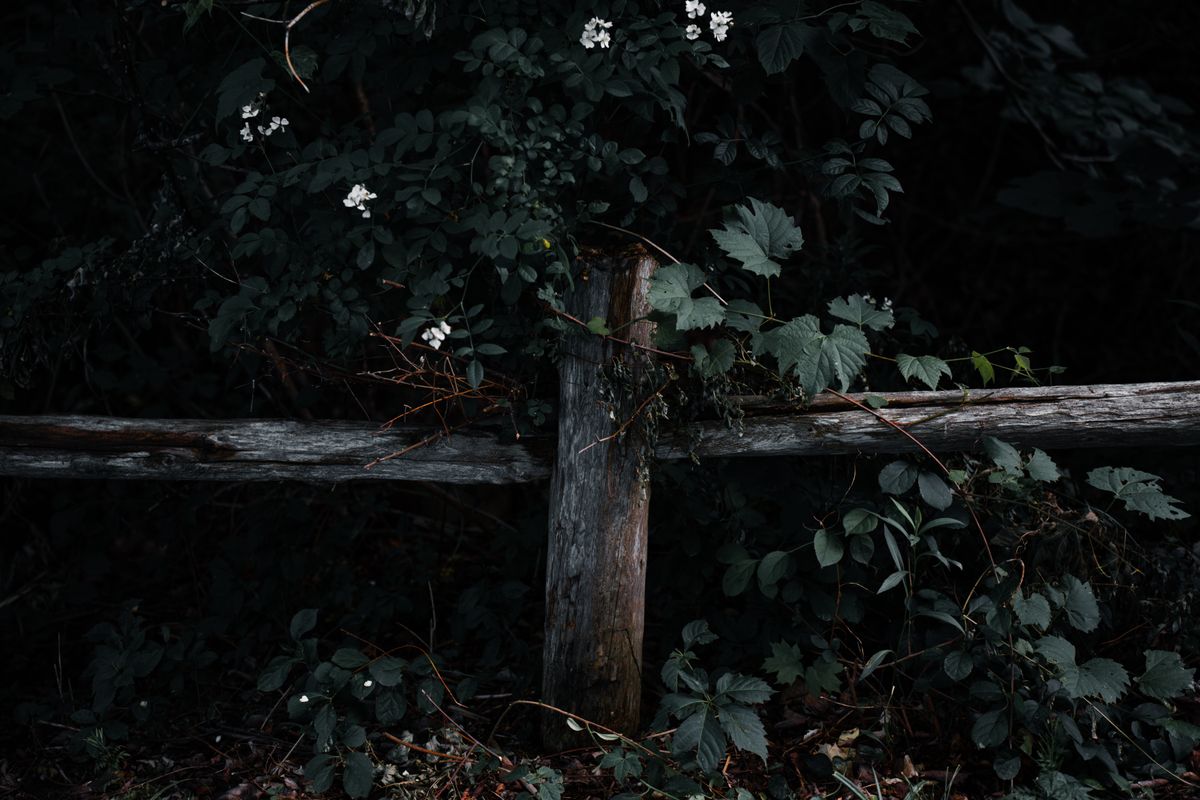
Photo by Connor Scott McManus on Pexels
Walk at 9 p.m. with the caps on. Note where you lose the next post. That is a dark spot. Causes: too wide a gap, a dead cap, a shaded panel, or a sensor fighting a porch lamp. Fix the cap or the gap; do not add a cool-white flood that creates trespass and empties nearby auto-sensors.
Shared boundaries need a conversation. A guide to coordinating shared fence lighting with a neighbor keeps strategic lighting from becoming a dispute. Placement buying logic for yard size lives in the perimeter lighting buying guide for symmetrical solar post layouts.
Keep warm white along the whole property line so the eye reads one system. Mix cool and warm and the warm 15-lumen caps look like dark spots even when they are on.
| Line condition | Dark-spot cause | Strategic fix | | --- | --- | --- | | Even posts, even sky | Gap too wide for 15 lumens | Add a cap on the next sunlit post | | Even posts, mixed shade | Shaded caps never charge | Skip shade; light the open posts | | Gate and corners dark | Priority posts were last in the pack | Put the 6-pack on gates and corners first | | One hole in a bright run | Failed cell or dirty panel | Wash, rest, replace 1000MAH Ni-MH | | Line glares at the sidewalk | Too much competing flood | Marker caps plus shielded task light | | Corner lot, two streets | One face got all the caps | Split packs across both property lines |
Spacing and install steps for a readable line
Use actual post rhythm, not a fantasy grid. Many fences already sit near a comfortable marker spacing; you do not always add mid-bay lights. Seat each multi-base adapter level so the panel charges. Automatic on/off should see true dusk along the line, not the patio chandelier. DIY install is $0 versus $50–$100 per hour to trench low-voltage wire.
Animal pens, side gates, and pool surrounds are special zones — treat them as named spots, not leftovers. Eliminate dark spots there first if those are the paths you walk.
Property-line lighting checklist
- [ ] Walk the fence at night and mark every dark spot on a sketch.
- [ ] Assign gate, corner, and stair posts first from the 6-pack.
- [ ] Confirm each chosen post sees sky at 10 a.m. and 2 p.m.
- [ ] Seat 4x4, 5x5, or 6x6 bases level; wash panels.
- [ ] Aim sensors away from house and neighbor floods.
- [ ] Keep warm white only; retire mixed color as "false dark."
- [ ] Skip deep-shade posts rather than faking coverage.
- [ ] Recheck after leaf-out; summer can create new holes along the line.
Frequently asked questions
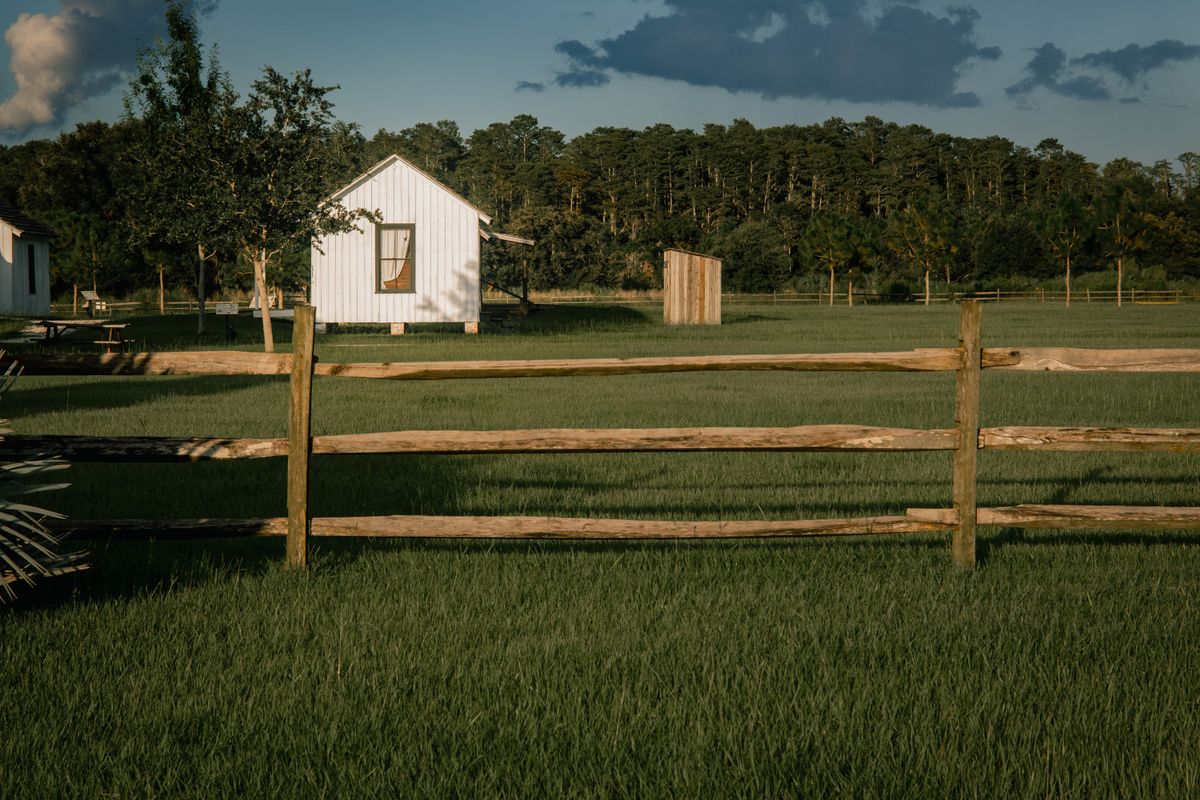
Photo by Elisanette Ortiz on Pexels
Will 15-lumen caps eliminate every dark spot?
They eliminate "I cannot see the next post" when spacing and sun are honest. They will not turn a bay into daylight.
Is this security lighting in the camera sense?
It is perimeter orientation. Pair cameras with their own light if you need identification. Strategic fence lighting is the line you walk.
How many packs along a large property?
Count sunlit priority posts, then buy 6-packs to that number. Do not multiply into shade.
Do I light the neighbor's side of the property line?
No. Keep glow on your posts. Coordinate if the fence is shared.
What about a long dark stretch with no sun?
That stretch needs a different fixture or a different path. Solar post cap lights cannot invent exposure.
Related reading
- guide to lighting a long driveway and gateposts
- how to light two street-facing fences on a corner lot
- guide to coordinating shared boundary fence lighting
- perimeter placement buying guide for solar post layouts
What to do next
Tonight, walk the property line and list the dark spots. Tomorrow, move solar post cap lights onto the sunlit gates and corners that would close those holes. Strategic fence lighting is that edit — not a flood on every bay.
Cover photo by Connor Scott McManus on Pexels.