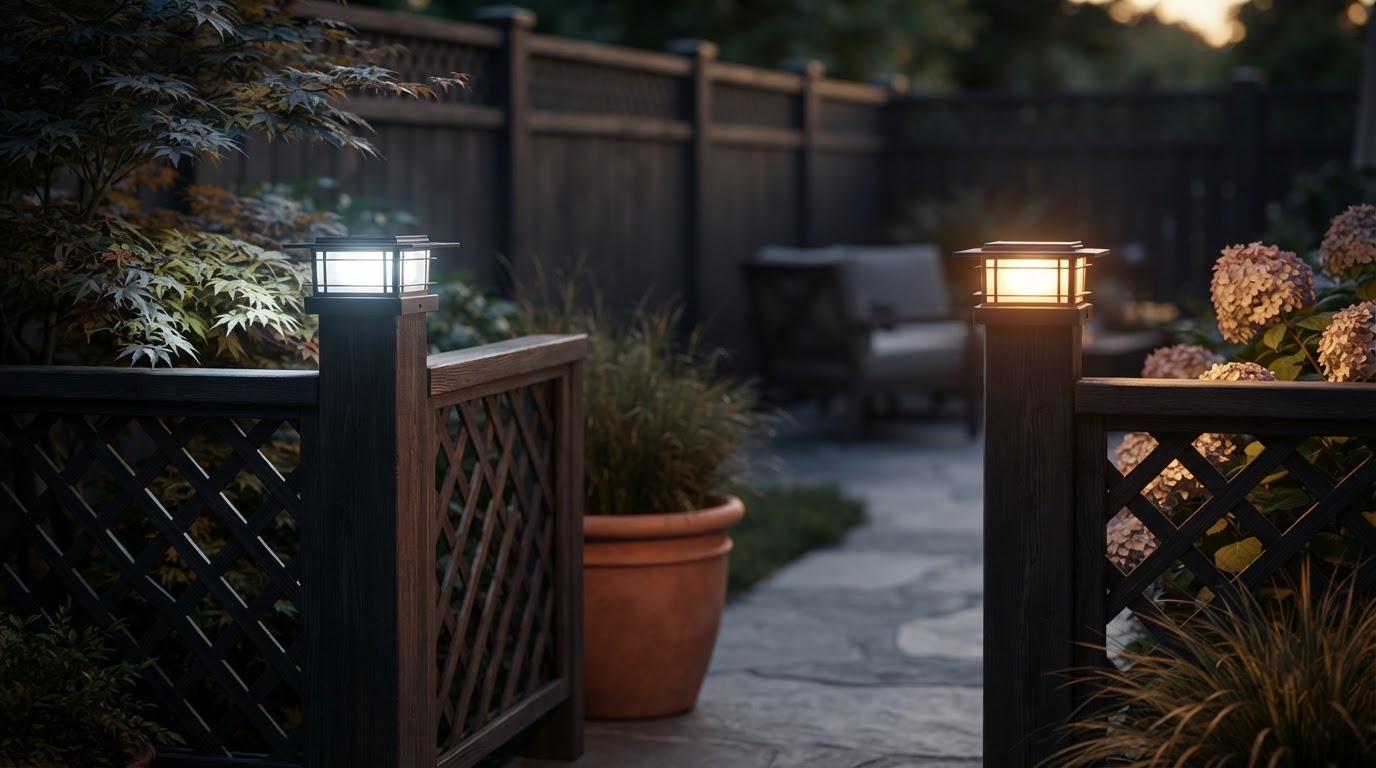
Choosing Solar Post Cap Lights: Cool White vs Warm White
 Maya ChenContributing Editor
August 9, 2026. This analysis evaluates the functional differences between cool white and warm white illumination in residential exterior fencing. It is designed for homeowners prioritizing visibility and architectural cohesion over generic lighting solutions.
The Technical Divide in Outdoor Illumination
The conventional wisdom says that outdoor lighting should always lean warm to mimic the nostalgic glow of incandescent bulbs. However, this preference often ignores the physiological way the human eye interacts with the light spectrum at night. Color temperature is measured in Kelvins (K), with warm white typically falling between 2700K and 3000K, while cool white ranges from 5000K to 6500K. The part nobody talks about is that cool white light actually provides higher contrast for the human eye in dark environments, which is a critical factor for safety on deck stairs and perimeter fencing. While warm white solar post cap lights are frequently sought for their perceived "coziness," they often fail to provide the sharp definition required for security. In high-traffic areas, the soft amber hue can muddy the visual field, making it difficult to distinguish between shadows and physical obstacles. This is particularly relevant when considering modern solar post cap design, where the integration of the light source into the cap housing must balance aesthetics with raw utility. When homeowners search for 4x4 solar post caps or 6x6 solar post caps, they are often presented with a choice of color temperature without being told that the "warmer" option may reduce their effective visibility by up to 20% compared to a high-Kelvin cool white counterpart.
Performance Metrics and Material Interaction
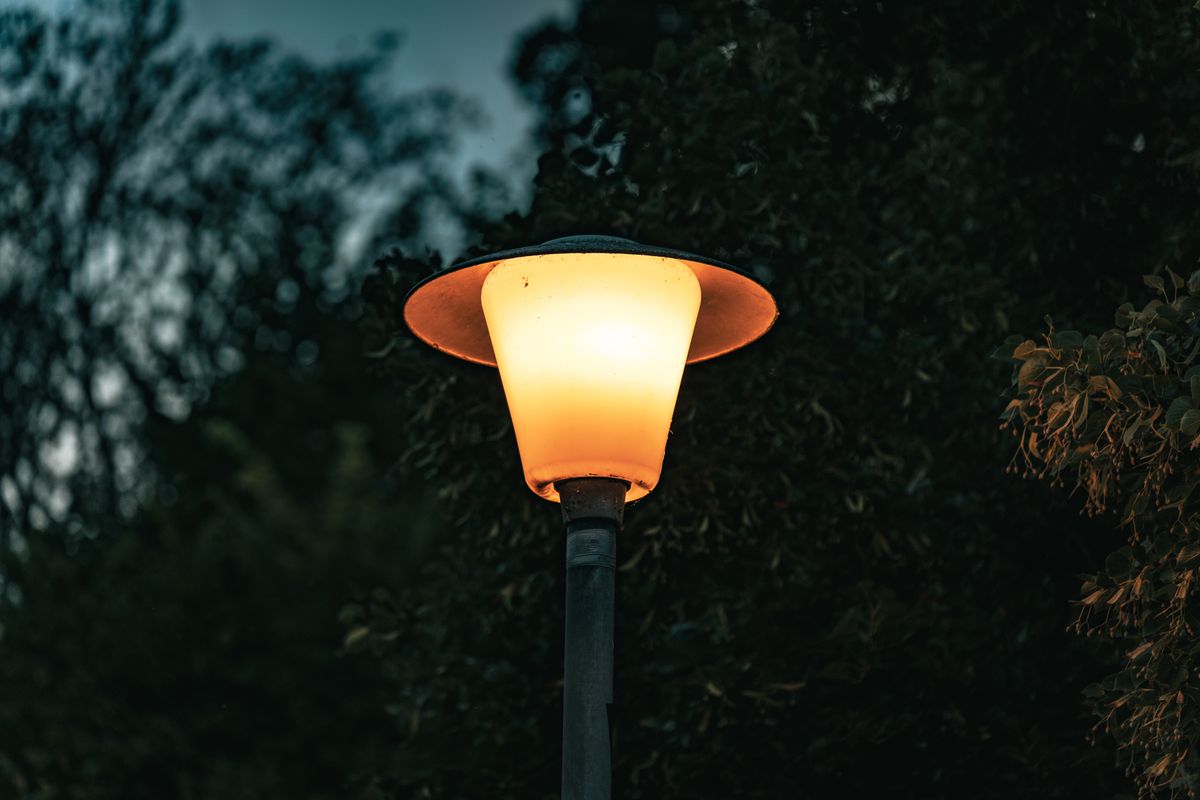
Photo by Baran Robin on Pexels
Run the math: a cool white LED typically produces more lumens per watt than a warm white LED because the latter requires a heavier phosphor coating to shift the blue light toward the red end of the spectrum. This coating absorbs energy, slightly reducing the total light output. For users installing solar post cap lights for wooden fences, the material interaction is the deciding factor. Wood, particularly cedar or pressure-treated pine, has natural red and yellow undertones. A warm white light will amplify these tones, creating a rich, organic look that many find appealing. Conversely, cool white light can make natural wood appear gray or washed out. However, for those utilizing white solar post cap lights on vinyl or PVC fencing, cool white is the superior technical choice. It maintains the crisp, clean appearance of the synthetic material rather than making it look aged or yellowed. Furthermore, the search for the brightest solar post caps often leads consumers to cool white models because the higher color temperature registers as "brighter" to the human brain, even if the lumen count is identical to a warm white model. This is especially true for modern solar post cap lights low profile designs, where the compact battery must work efficiently to provide long-lasting light throughout the night. Whether you are installing black solar post cap lights on a contemporary metal fence or decorative solar deck post caps light on a wooden structure, the color temperature dictates the entire nighttime identity of the property.
A Framework for Color Temperature Selection
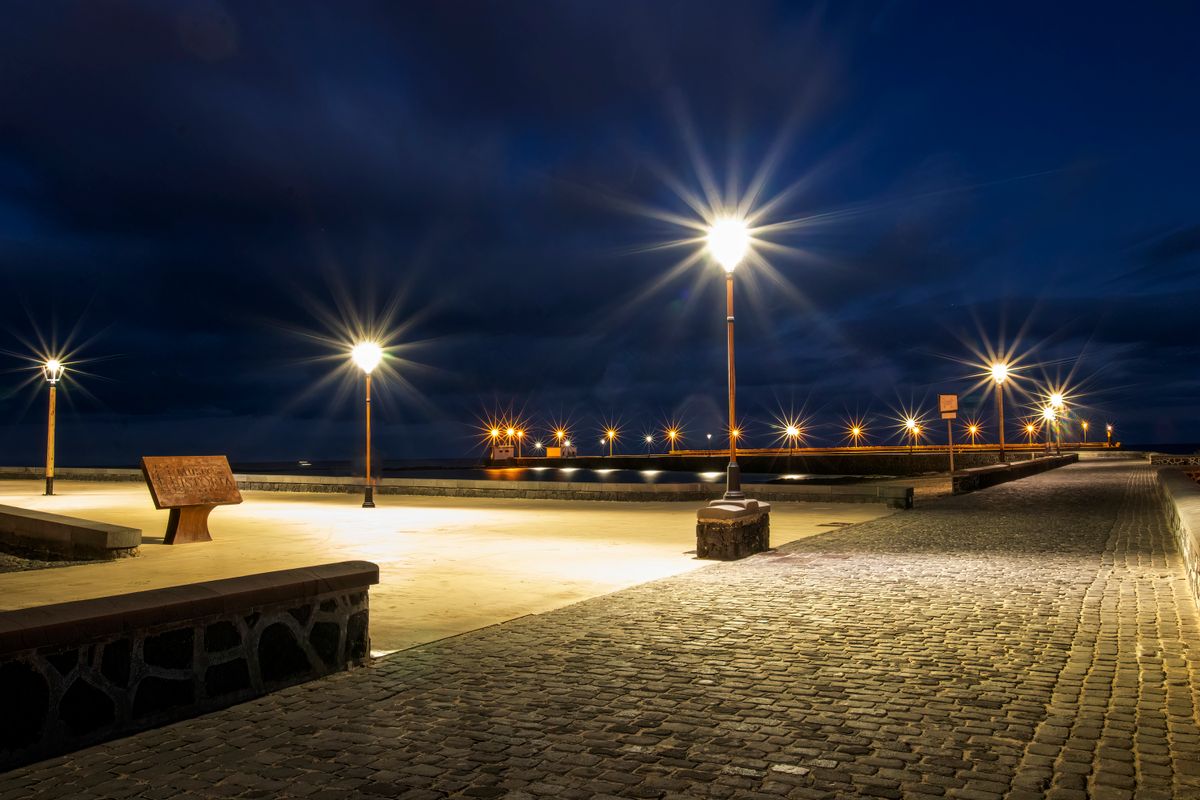
Photo by Allan Watson on Pexels
Selecting between these two spectrums should not be a matter of personal whim but a response to the specific environment and safety requirements of the site. If the primary goal is security and perimeter definition—common for those searching for solar fence post lights waterproof solutions—cool white is the objective winner. It provides the clarity needed for cameras and motion sensors to function at peak efficiency. If the goal is leisure and ambiance, warm white solar post caps provide a less intrusive experience that doesn't disrupt the circadian rhythms of local wildlife or the comfort of neighbors. When evaluating your options, consider the following decision framework:
- Identify the primary fence material; use cool white for white vinyl and warm white for natural wood or stone.
- Assess the proximity to the neighbors; warm white is generally less disruptive in high-density residential areas.
- Determine the safety risk; use cool white for stairs, elevation changes, and pool perimeters.
- Verify the lumen output; remember that cool white typically offers a higher perceived brightness for the same energy draw.
- Match the architectural style; modern solar post cap lights often pair better with the clinical precision of cool white, while traditional styles favor warm white.
Shop Solar Post Cap Lights here