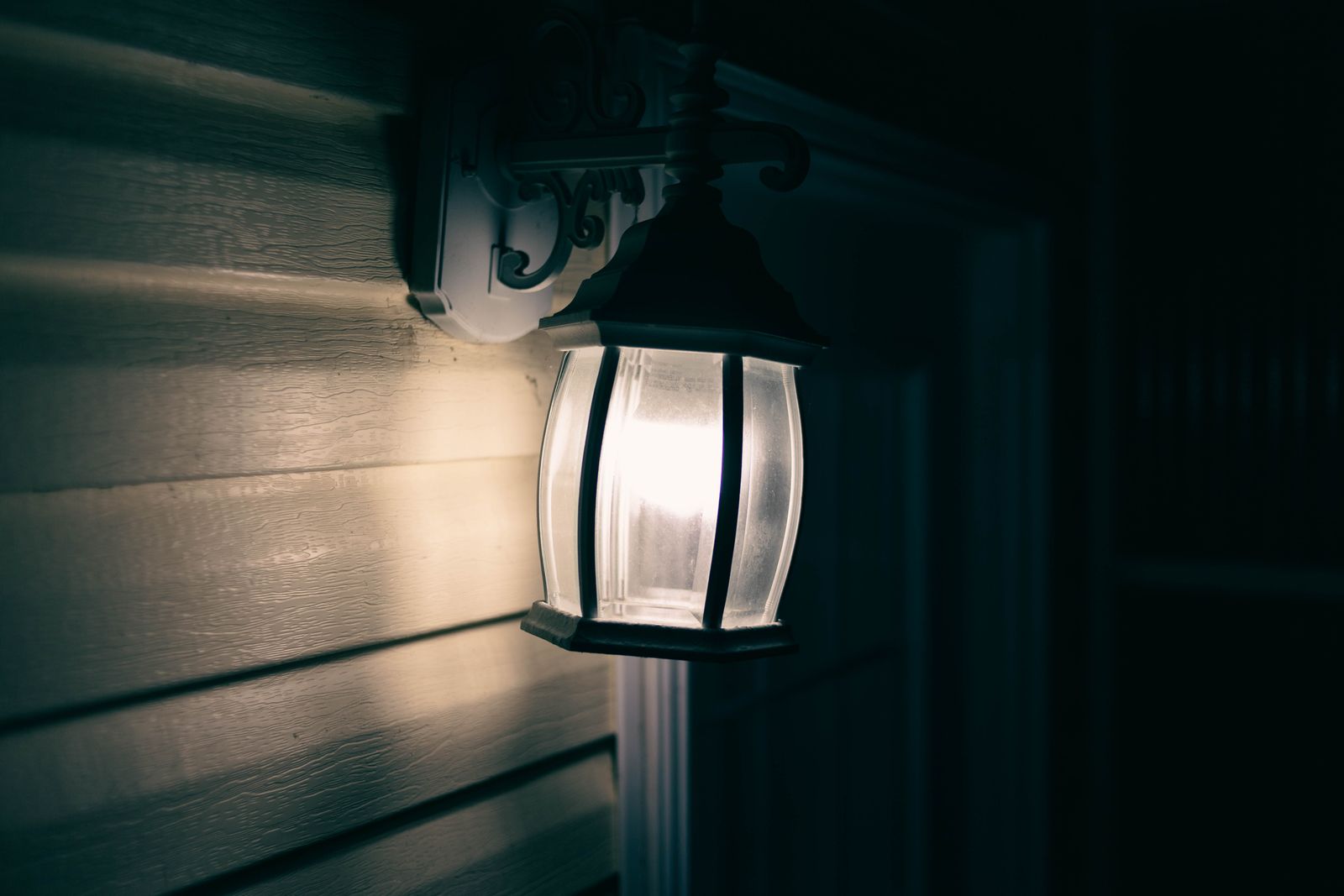
Warm White vs Cool White Solar Post Lights: Optical Quality & Outdoor Aesthetics Compared
Should you choose warm white (2700K–3000K) or cool white (5000K–6500K) solar post cap lights for your deck or fence posts?
Warm white (2700K–3000K) is the optimal choice for natural wood decks, pressure-treated lumber, and residential outdoor living spaces. It brings out rich wood tones, preserves human night vision, and attracts up to 50% fewer nocturnal bugs. Installing cool white on natural wood is a common mistake: it washes out warm stains, casts a clinical greyish-blue tint, and creates blinding eye fatigue near seating areas. Cool white (5000K–6500K) should be reserved almost exclusively for stark white vinyl perimeter fencing where high-contrast security boundary illumination is the primary goal.
Technical & Visual Specification Comparison
| Installation Scenario & Post Material | Recommended Kelvin Temp | Color Rendering & Visual Effect | Insect Attraction Risk | Visual Comfort & Night Vision |
| --- | --- | --- | --- | --- |
| Natural Cedar, Redwood, or Stained Deck Posts | Warm White (2700K–3000K) | High CRI effect; accentuates deep wood grain, amber undertones, and warm stains. | Low (emits longer wavelengths outside bug sensitivity range). | Optimal; preserves dark adaptation without blinding glare. |
| Patio, Dining, & Outdoor Seating Perimeters | Warm White (2700K–3000K) | Soft ambient glow; creates a cozy, resort-style atmosphere for entertaining. | Minimal; keeps nocturnal pests away from gathering areas. | High comfort; zero harsh eye strain during evening relaxation. |
| Stark White Vinyl or PVC Property Fences | Cool White (5000K–6500K) or Warm White | Crisp, bright white wash; maximizes boundary sharpness and contrast against dark yards. | High (short blue wavelengths attract moths, beetles, and mosquitoes). | Moderate to Low; creates high contrast but higher eye strain in dark settings. |
| Dark Composite or Black Aluminum Railings | Warm White (2700K–3000K) | Sophisticated architectural contrast; prevents dark materials from looking cold or industrial. | Low; preserves pleasant deck boundary lighting. | High comfort; smooth light falloff along top caps. |
| Long Perimeter Property Line Security Monitoring | Cool White (5000K–6500K) | Stark daylight simulation; maximum visual detection distance across open turf. | High insect aggregation along property borders. | Low dark adaptation retention; sharp glare at long distances. |
Selecting an improper Kelvin rating often leads to harsh glare or washed-out architectural materials. Use this scenario-based evaluation matrix to match your post material and yard function with the proper LED color temperature.
Pros & Cons: Evaluating Outdoor LED Color Temperatures
Pros
- Preserves natural wood aesthetics without washing out cedar or pressure-treated stains
- Attracts significantly fewer nocturnal insects due to reduced blue light spectrum emissions
- Maintains human scotopic (night) vision for comfortable outdoor relaxation
- Provides a subtle, high-end architectural glow across decks and patios
- Distorts natural wood tones, casting an unsightly bluish-grey tint over rich stains
- Creates intense visual glare that causes eye fatigue and disrupts dark adaptation
- Attracts heavy swarms of flying insects directly to post tops and adjacent seating
- Can make residential backyards feel clinical, cold, or commercially illuminated
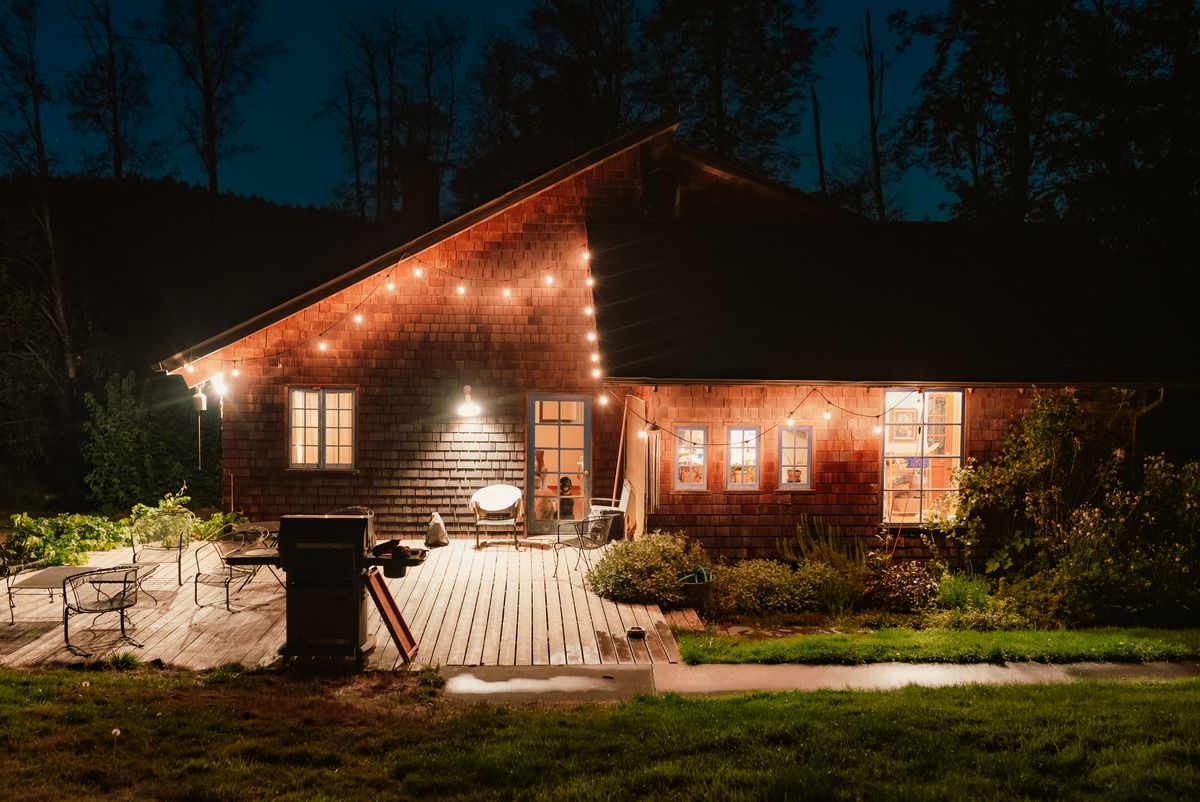
Visual Gallery Brief: Warm White vs. Cool White Optical Impact
Visual documentation detailing how light warmth interacts with standard American fencing materials.
Expert Optical Tip: Human Dark Adaptation and Eye Strain
When transitioning from a brightly lit kitchen onto a dark outdoor deck, human eyes rely on rod cells to adapt to scotopic vision. Cool white LEDs (5000K–6500K) spike in high-energy visible (HEV) blue light wavelengths. This intense blue light causes pupil constriction and destroys natural dark adaptation, creating harsh shadows and perceived blinding glare outside the narrow beam of the post light.
Warm white LEDs (2700K–3000K) emit a spectrum rich in amber and red wavelengths. This gentle output allows pupils to remain comfortably dilated, preserving spatial perception across your entire yard while eliminating dark hot spots between fence posts.
Our Recommendation: The 15-Lumen Warm White SMD Standard
For 90% of homeowners, 15-lumen warm white (3000K) SMD solar post cap lights deliver the ideal synthesis of cozy ambience, architectural color accuracy, and reliable perimeter illumination.
By leveraging surface-mounted diode (SMD) tech powered by a 1000mAh Ni-MH rechargeable battery, these cap lights output 3 times the usable illumination of standard 5-lumen economy solar stakes while remaining completely glare-free.
Key Takeaways: Light Color Temperature Demystified
- Material Alignment matters most: Warm white (2700K-3000K) is required for wood stains and composite materials; cool white (5000K-6500K) is only suitable for stark white vinyl perimeter fencing.
- Bug attraction is wavelength-dependent: Insect phototaxis responds aggressively to blue light in cool white LEDs. Warm white reduces pest attraction by up to 50%.
- Lumens measure volume, Kelvin measures tone: A 15-lumen warm white light emits the exact same total luminous energy as a 15-lumen cool white light, but does so without eye-piercing glare.
- Battery efficiency is identical: Kelvin color temperature does not affect battery runtime; a 1000mAh Ni-MH battery powers warm or cool 15-lumen SMD LEDs for up to 8–10 hours equally.
Decision Matrix: Which Light Temperature Fits Your Property?
Warm white (2700K–3000K) is recommended for nearly all residential decks and natural wood fences due to superior color rendering, comfortable visual adaptation, and low bug attraction. Cool white (5000K–6500K) is strictly reserved for high-visibility property boundaries on white PVC.
Best choice for
- Warm White (2700K–3000K) — Accentuates golden, reddish, and brown undertones without turning wood grey.
- Warm White (2700K–3000K) — Prevents harsh glare in seated line-of-sight and keeps swarming insects away from guests.
- Cool White (5000K–6500K) — Provides crisp contrast against dark boundaries for security camera visibility.
- Avoid cool white on natural wood or cedar decking; it washes out stains into a dull, unnatural tone.
- Avoid cool white near hot tubs, patio seating, or dining tables due to eye strain and night-flying bugs.
- Avoid mixing warm white post caps on one section of a fence and cool white on another section, which creates an uncoordinated visual appearance.
- Dual-Mode Solar Post Caps — Allows manual toggling between warm and cool white if primary post usage changes seasonally.
Featured Solar Lighting Solution
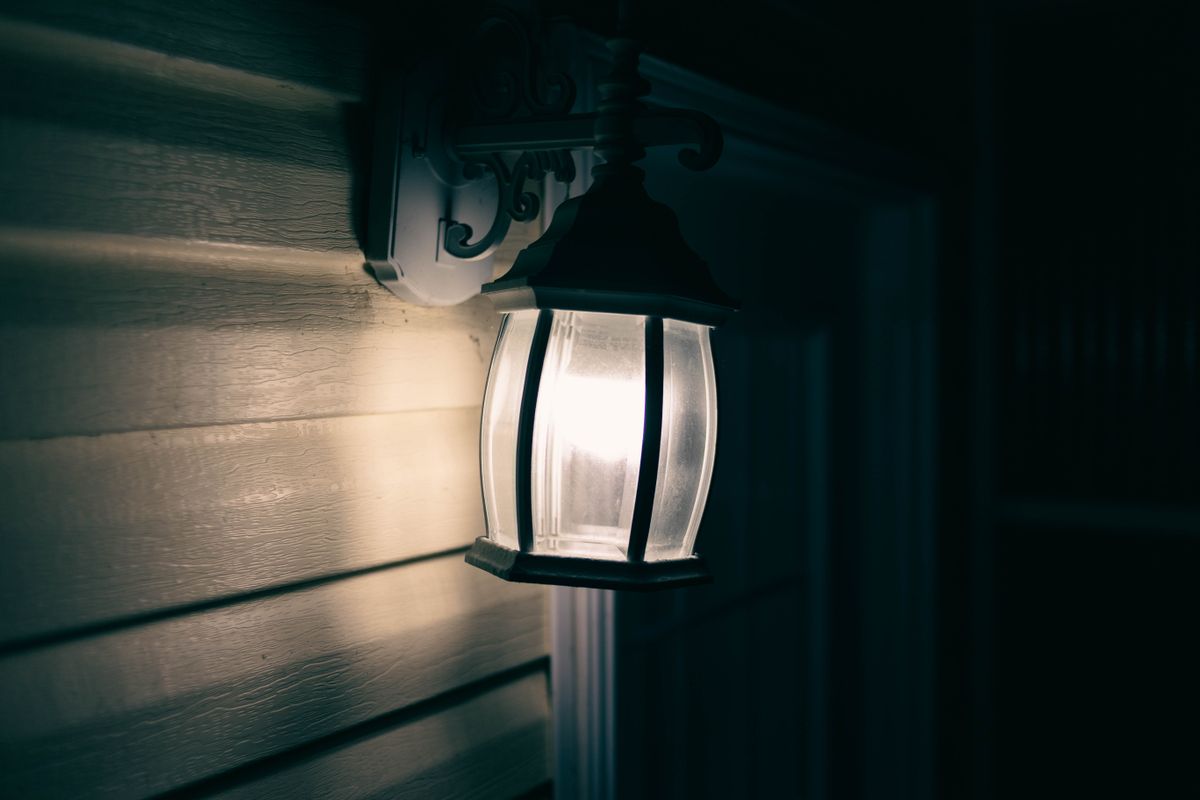
Photo by Erik Mclean on Pexels
Transform your outdoor space with purpose-built 3000K solar post cap illumination.
Real-World Architectural Scenarios
Stained Pressure-Treated Pine Deck Railing — Install 3000K Warm White 15-Lumen post caps. Warm amber LEDs highlight the natural grain patterns of brown and honey-toned stains while maintaining a peaceful evening resort vibe.
White Vinyl Fence Surrounding a Backyard Swimming Pool — Install 3000K Warm White post caps for pool deck areas to minimize bug swarms around water, or select Cool White along distant property boundaries if maximum security lighting is desired.
Dark Gray Composite Decking with Black Aluminum Posts — Choose 3000K Warm White. The contrast between warm amber light and dark metal/composite creates a sleek modern architectural appearance without sterile blue reflections.
How color temperature performs across specific home installations:
The Science of Bug Phototaxis: Why Light Spectrum Matters
Nocturnal insects—including moths, beetles, and mosquitoes—navigate by positive phototaxis, aligning their flight paths relative to natural light sources like the moon. However, insect compound eyes are overwhelmingly sensitive to short light wavelengths in the ultraviolet (300–400 nm) and blue (400–500 nm) spectrums.
Cool white LEDs (5000K–6500K) rely heavily on blue phosphor pumps to generate bright visual light, emitting high concentrations of wavelengths right in the peak sensitivity zone for flying pests. Warm white LEDs (2700K–3000K) shift the spectral output toward longer amber and red wavelengths (580–620 nm). Field observations in residential landscapes show that warm white fixtures experience up to 50% less insect aggregation compared to cool white fixtures of identical lumen output. Installing warm white post caps directly around patio dining zones, deck staircases, and outdoor kitchens ensures your evening gatherings remain comfortable and bug-free.
Color Rendering Index (CRI) on Deck Materials
Color Rendering Index measures how accurately a light source reveals the true colors of physical objects compared to natural sunlight (rated at 100 CRI). Outdoor building materials—particularly cedar, redwood, pressure-treated pine, and wood-plastic composite decking—contain organic red, yellow, and brown pigments.
When illuminated by cool white 6000K light, these natural wood tones suffer severe color distortion. The absence of red spectrum energy in cool white LEDs turns rich reddish-brown cedar into a washed-out, lifeless greenish-gray. Conversely, warm white 3000K SMD LEDs rich in red spectral output bring out the natural warmth of wood stains, making your deck structure look vibrant and high-end after dusk.
Photometric Brightness: 15 Lumens Warm White vs. 5 Lumens Cool White
A common misconception among homeowners is that cool white light is inherently 'brighter' than warm white light. This visual illusion occurs because the human eye is sensitive to glare from blue wavelengths in dark environments. However, photometric brightness is measured in lumens (luminous flux), which represents total light volume regardless of color.
A quality 15-lumen warm white SMD LED cap light delivers three times more total light volume than a standard 5-lumen cool white light. While a 5-lumen cool white stake might create a piercing point of blue glare, it fails to illuminate the deck surface below it. A 15-lumen warm white post cap projects a wide 360-degree wash of warm, functional light that clearly reveals post steps, railing boundaries, and ground obstacles without blinding onlookers.
Battery Efficiency and Thermal Performance
Some buyers worry that warm white LEDs drain rechargeable solar batteries faster than cool white LEDs. In modern surface-mounted diode (SMD) technology, energy consumption is determined strictly by the forward current driving the circuit—not the Kelvin color temperature.
Our 6-pack solar post cap lights utilize integrated 1000mAh Ni-MH AA rechargeable batteries coupled with automated dusk-to-dawn sensors. After receiving 6 to 8 hours of direct sunlight charging, both warm white and cool white 15-lumen SMD arrays operate with equal electrical efficiency, providing continuous 360-degree illumination for up to 8 to 10 hours through the night. Furthermore, built-in IP44 weatherproofing shields the solar panel, internal battery chamber, and LED optics from snow, frost, rain, and sleet.
Related Outdoor Lighting Resources
- Choosing Solar Post Cap Lights: Cool White vs Warm White
- Best Warm White Solar Post Lights for Your Home Deck
- Should I Choose Cool or Warm Solar Post Cap Lights?
Frequently Asked Questions
Direct answers to common homeowner questions regarding LED color temperatures and post cap lights.
Actionable Next Steps for Deck & Fence Lighting
Your decision: Choose Warm White (2700K–3000K) for natural wood, composite decking, and entertaining spaces. Choose Cool White (5000K–6500K) only for long perimeter security lines on white vinyl fencing.
Do this next: Measure your actual post top dimensions (width and length) using a tape measure to verify whether you have standard true 3.5"x3.5", 4"x4", 4.5"x4.5", 5"x5", or 5.5"x5.5" post tops before selecting your light kit.
- Read next: 5 Lumens vs. 15 Lumens: How Bright Should Solar Post Cap Lights Be?
- Read next: How to Plan a Cozy Deck Lighting Layout Using Solar Post Cap Lights
6-Pack Warm White 15-Lumen SMD Solar Post Cap Lights (Fits 3.5x3.5 to 5.5x5.5 posts)
Follow this simplified workflow to select and install the perfect solar post cap lights for your property.
Cover photo by Erik Mclean on Pexels.