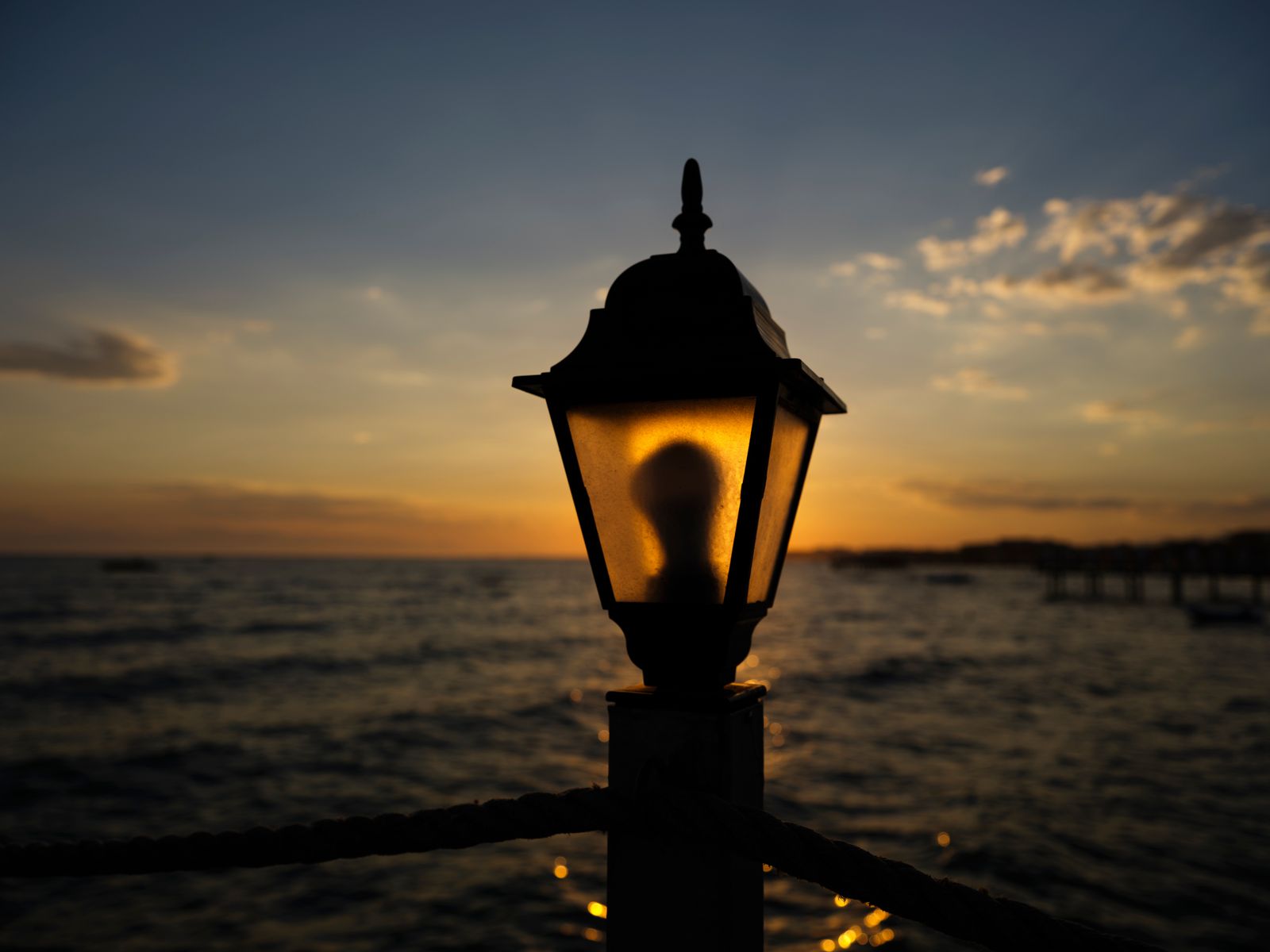
What IP44 Actually Means for Solar Post Cap Lights in Rain and Sleet
IP44 means a fixture is protected against solid objects larger than 1 mm and against water splashing from any direction. For outdoor post lighting, that is the rating that covers rain, sleet, and melting snow — the conditions a fence cap actually faces — without claiming the fixture can be submerged. Knowing how to read those two digits is the fastest way to compare weather claims across listings that all say "weatherproof."
What the two digits in an IP rating actually mean
IP stands for Ingress Protection. The first digit rates protection against solids, the second rates protection against water. Both are defined by standardized tests, which is what makes an IP number more useful than a marketing word.
| Code | First digit (solids) | Second digit (water) | |------|----------------------|----------------------| | 0 | No protection | No protection | | 2 | Objects over 12.5 mm, such as fingers | Dripping water at up to a 15-degree tilt | | 3 | Objects over 2.5 mm, such as tools | Spraying water up to 60 degrees from vertical | | 4 | Objects over 1 mm, such as most wire | Splashing water from any direction | | 5 | Dust protected | Low-pressure water jets from any direction | | 6 | Dust tight | High-pressure water jets | | 7 | — | Temporary immersion up to 1 meter |
Read IP44 across that table and you get a precise picture: nothing thicker than a wire gets into the housing, and water hitting the fixture from any angle is handled. Solar Post Cap Lights carry an IP44 waterproof rating and are described as suitable for outdoor use in rain, snow, frost, or sleet, which lines up exactly with what the second digit promises.
Is IP44 enough for a fence or deck post?
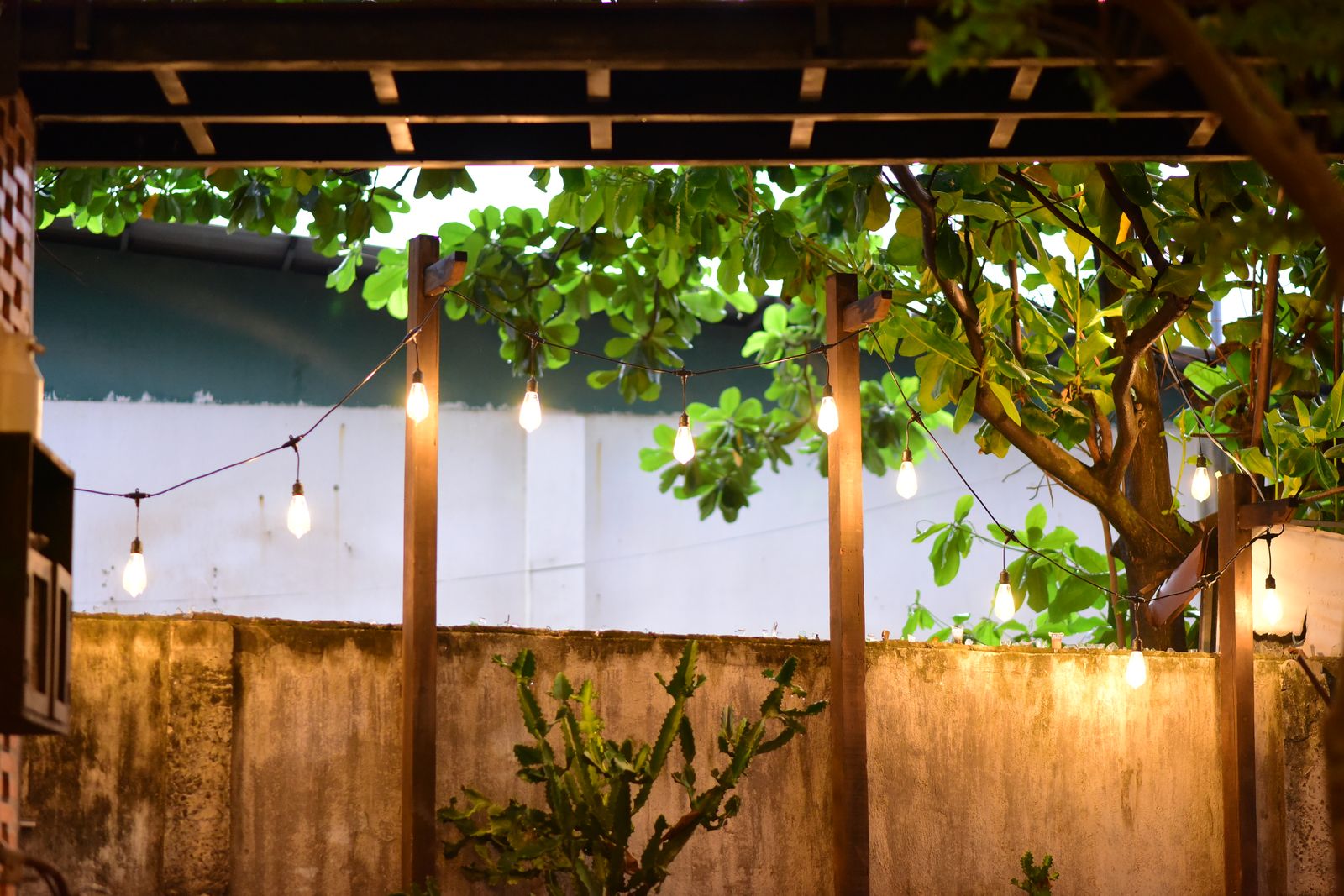
Photo by Sóc Năng Động on Pexels
For a post cap, yes — and the reason is geometry rather than generosity. A post cap sits on top of a vertical post with its panel facing the sky and its skirt overhanging the sides. Water arrives as rain and splash and runs off. The fixture is never sitting in a puddle, never buried in soil, and never sprayed with a pressure washer unless you point one at it.
Higher ratings matter when the mounting position changes the exposure. In-ground path lights sit where water collects, so they need more. Fixtures on a boat dock that get washed by waves need more. Lighting mounted low on a wall that gets hit by a sprinkler head needs more. A cap eight inches to five feet up on a post, shedding water downward, is squarely inside what an IP44 rating is designed for.
The practical failure point on post caps is rarely the housing's rating. It is the joint between the cap and the post, where a loose fit lets water bypass the fixture entirely and soak the post top. That distinction is worth internalizing before you shop, and the analysis of why "waterproof" fence caps still develop problems covers the mechanism in detail.
How to compare weather claims across listings
Listings use overlapping language that does not map to any test. "Weatherproof," "all-weather," "waterproof," and "rainproof" have no standardized definitions. IP codes do. Use this order when you evaluate options:
Rain and sleet behave differently, and only one is about water
Rain is the condition IP44 addresses directly. Water hits the housing from varying angles as wind shifts, runs across the panel, and drains off the skirt. A correctly seated cap on a flat post top does this all season without incident.
Sleet and wet snow raise a different issue: coverage. Freezing precipitation sticks to the panel, and a covered panel does not charge. Solar Post Cap Lights are charged in full and direct sunlight for 6-8 hours, and every hour a panel spends under an opaque layer is an hour subtracted from that. So during a sleet week, the fixture is not failing its weather rating — it is being starved of the input it needs. The fix is clearing the surface, not a higher IP number.
That separation is useful when you diagnose a problem: water intrusion is an ingress question, and short run times after bad weather are a charging question.
What to look for beyond the IP code
Photo by Artem Zhukov on Pexels
An ingress rating is one specification among several that determine whether outdoor lighting survives a few seasons. When comparing weather-rated post caps, these matter too:
- Panel area and orientation. A flat, skyward panel on a cap collects whatever the sky gives it. Larger and unshaded beats a higher IP rating for real-world performance.
- Base fit options. Solar Post Cap Lights come with different sizes of bases compatible with standard true-size 3.5-inch, 4-inch, 4.5-inch, 5-inch, and 5.5-inch wood, vinyl, or plastic post caps, which is what allows a snug seat across a mixed fence.
- Serviceable battery. A fixture with a 1000mAh NI-MH AA rechargeable battery included is one you can service later rather than replace outright.
- Sensor behavior. An automatic on/off sensor removes the need to touch the fixture at all during bad weather, which matters when the alternative is climbing a ladder in the rain.
- Housing material and finish. Plastic housings shed water well and do not corrode, which is an advantage on a fence exposed to sprinklers and road salt.
- Physical footprint. At 5.8 x 5.8 x 3.54 inches, a cap's overhang is what actually shields the post top from rain.
FAQ
Is IP44 waterproof or just water resistant? It is water resistant to splashing from any direction. The rating explicitly does not cover immersion or pressurized jets. For a fixture mounted on top of a post, splashing is the realistic exposure, so IP44 is the appropriate specification rather than a compromise.
Can an IP44 light be left out in a heavy thunderstorm? Yes. Wind-driven rain is water arriving from varying directions, which is precisely what the second digit of 4 is tested against. The more likely storm-related issue is debris landing on the panel and a shortened run time the following night.
Does a higher IP rating mean a brighter or longer-lasting light? No. IP codes describe sealing only. Brightness comes from the LEDs and the charge available — Solar Post Cap Lights use 8 warm white SMD LEDs per light at 15 lumens. Sealing and output are independent specifications.
Should sprinkler spray change the rating needed? It depends on aim. Overspray that lands on a post cap as splash is within IP44. A sprinkler head aimed directly at a fixture at close range is closer to a low-pressure jet, which is a 5-level condition. Redirect the head rather than shopping for a different rating.
The practical next step
Write down where each fixture will sit and how water reaches it, then check the IP code against that list rather than against a general sense of harshness. For elevated, free-draining post tops, IP44 answers the question, and the remaining decisions come down to base fit and panel exposure. For a look at how those factors play out across a full property line, the notes on optimizing post cap lighting for perimeter reliability are a sensible next read.
Cover photo by Engin Akyurt on Pexels.