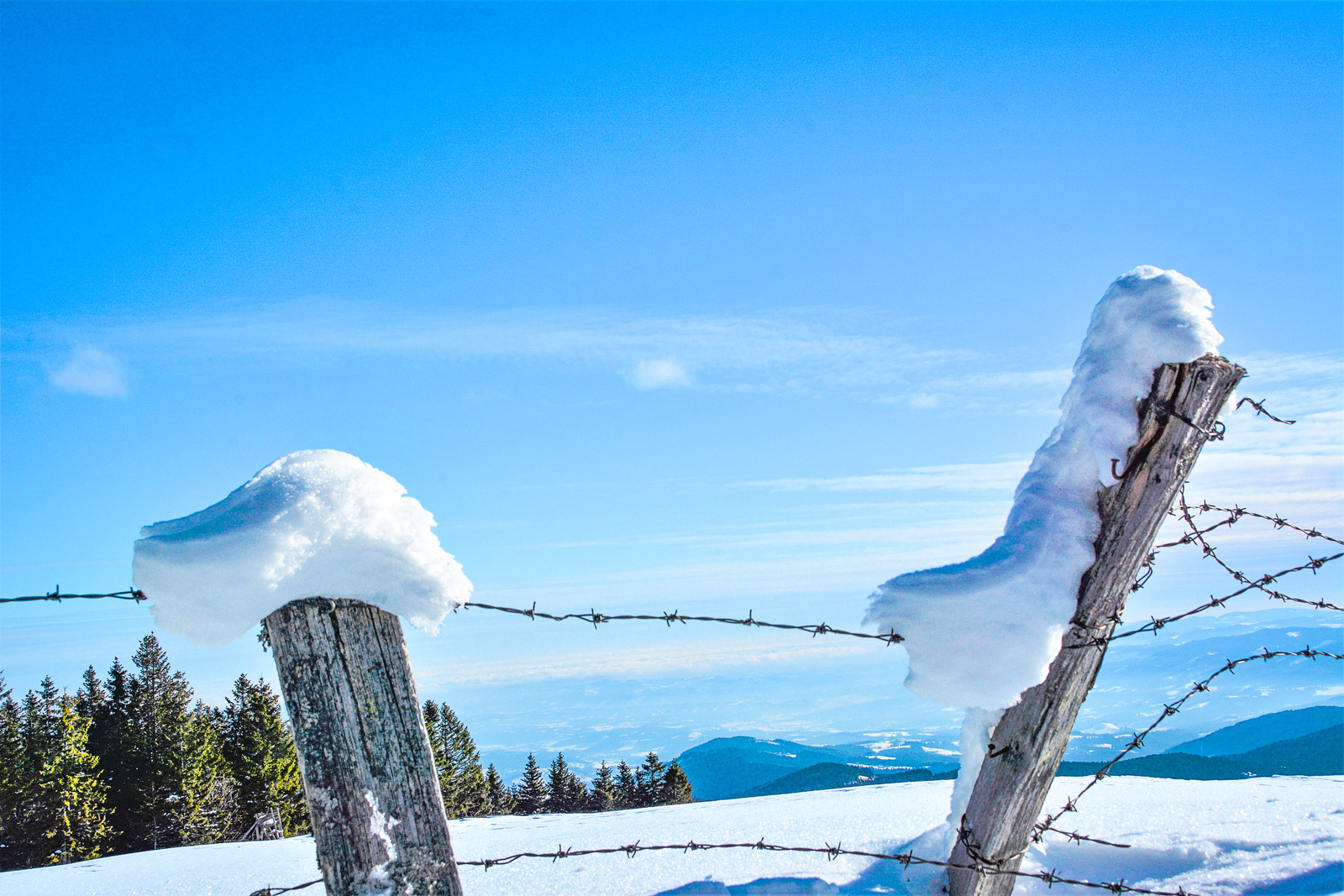
How to Protect Your Solar Post Cap Lights During Winter Snow and Frost
Snow sitting on the solar panel is the single biggest winter problem for post cap lights, and it is also the easiest one to fix. Cold air by itself does not damage a sealed outdoor fixture, but a covered panel stops charging that day, and standing meltwater that freezes inside a joint can push parts apart. Winter care comes down to two habits: keep the top surface clear, and never let water sit somewhere it can freeze and expand.
Does an IP44 rating cover snow and ice?
IP44 describes protection against splashing water from any direction, which covers rain, sleet, melting snow, and frost forming on the housing. Solar Post Cap Lights carry an IP44 waterproof rating and are described as suitable for outdoor use in rain, snow, frost, or sleet, so a normal winter storm is within what the fixture is built to handle.
What an ingress rating does not describe is mechanical stress. No IP number promises that a housing will survive being hit with a shovel, having a sheet of ice pried off it, or carrying the weight of a snow drift plus a slab of ice that slid off a roof above it. Winter failures on outdoor solar lights are usually physical, not electrical. That distinction matters because it tells you where to spend your five minutes: not on sealing an already-sealed fixture, but on how you clear it and where water is pooling.
Why snow on the panel matters more than cold
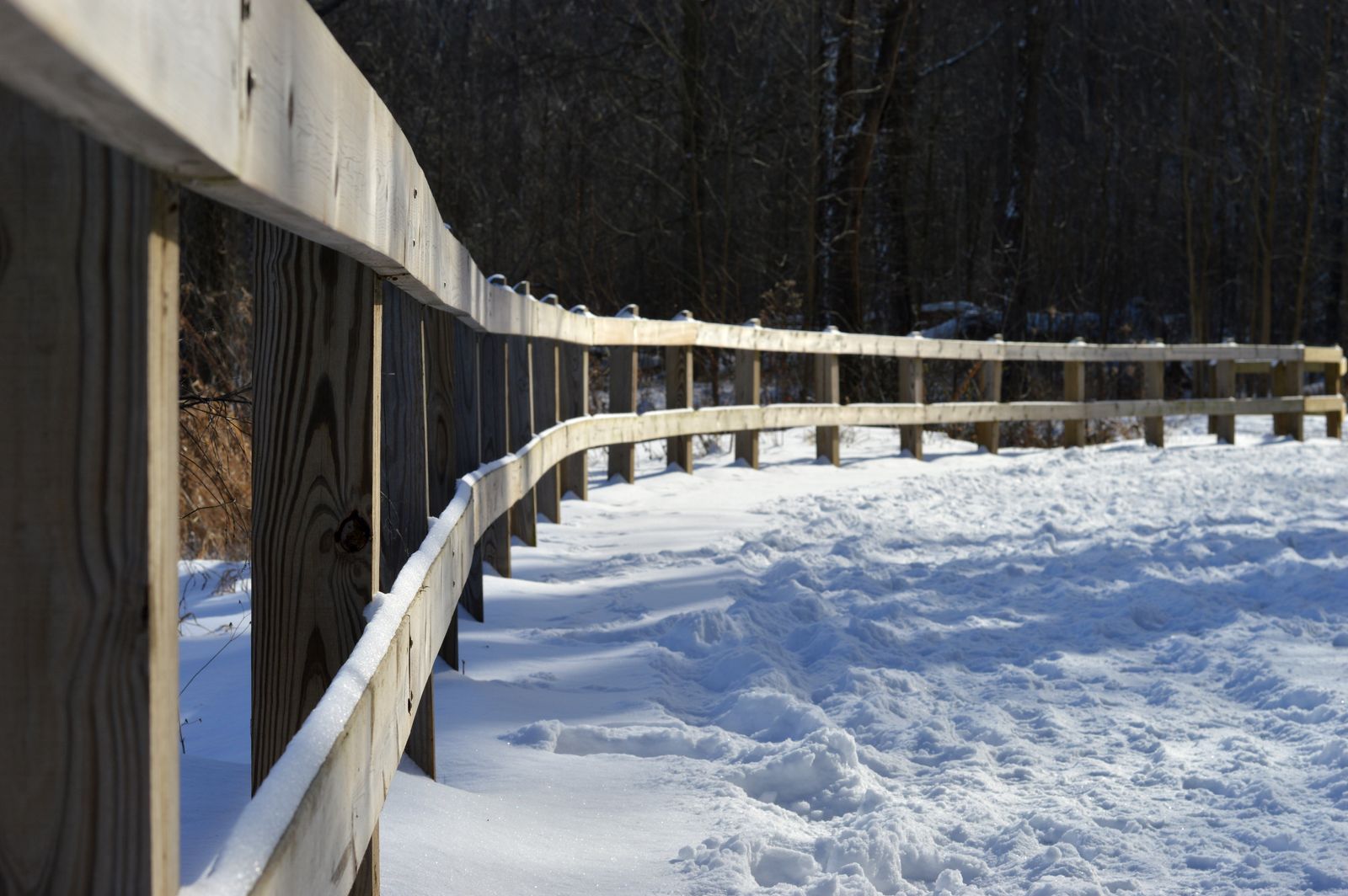
Photo by ~ angelkwill ~ on Pexels
A solar post cap light runs entirely on what its panel collected during daylight. Solar Post Cap Lights are charged in full and direct sunlight for 6-8 hours, and winter works against that on three fronts at once: the days are shorter, the sun sits lower and weaker, and the panel is the exact surface snow lands on.
An opaque layer of snow is close to a total block. A thin film of frost is less severe but still scatters light before it reaches the cell. Neither one is a fault in the light, and neither one requires a repair — it requires clearing. That is why a set of lights can look dead for a week after a storm and then behave normally the first clear afternoon after somebody brushed the tops off.
Cold does reduce the amount of energy a rechargeable cell will hand back on a given night, so shorter winter run times are normal even on a well-charged fixture. Treat that as expected seasonal behavior rather than a defect. The same principle explains why performance dips in other tough conditions too, as covered in the guide to how long solar post cap lights last in high humidity.
The five-minute snow and frost clearing routine
Do this after any storm that leaves more than a dusting, and once a week during a long cold stretch.
Where freeze-thaw damage actually happens
Freeze-thaw does not attack the light itself so much as the connection between the light and the post. Water works into the gap between the cap skirt and the post top, freezes, expands, and widens the gap slightly. The next thaw lets more water in, and the cycle repeats through the winter. By spring the cap is looser than it was in fall, and the post top under it is wet.
Three places deserve a look before the first hard freeze:
- The post top itself. A cap sitting on a cracked or cupped post top cannot shed water properly. Sanding the top flat does more for winter durability than anything you do to the light.
- The base fit. Solar Post Cap Lights include multiple base sizes to match standard true-size post caps, so a snug base is achievable rather than something to shim with tape. A base that is genuinely the right size is the main defense against water intrusion at the joint.
- Fastener points. Screws driven into wet or frozen wood in the fall back out as the post dries and moves. Snug them by hand, and stop as soon as they bite — overdriving splits a cold post.
A simple winter maintenance schedule
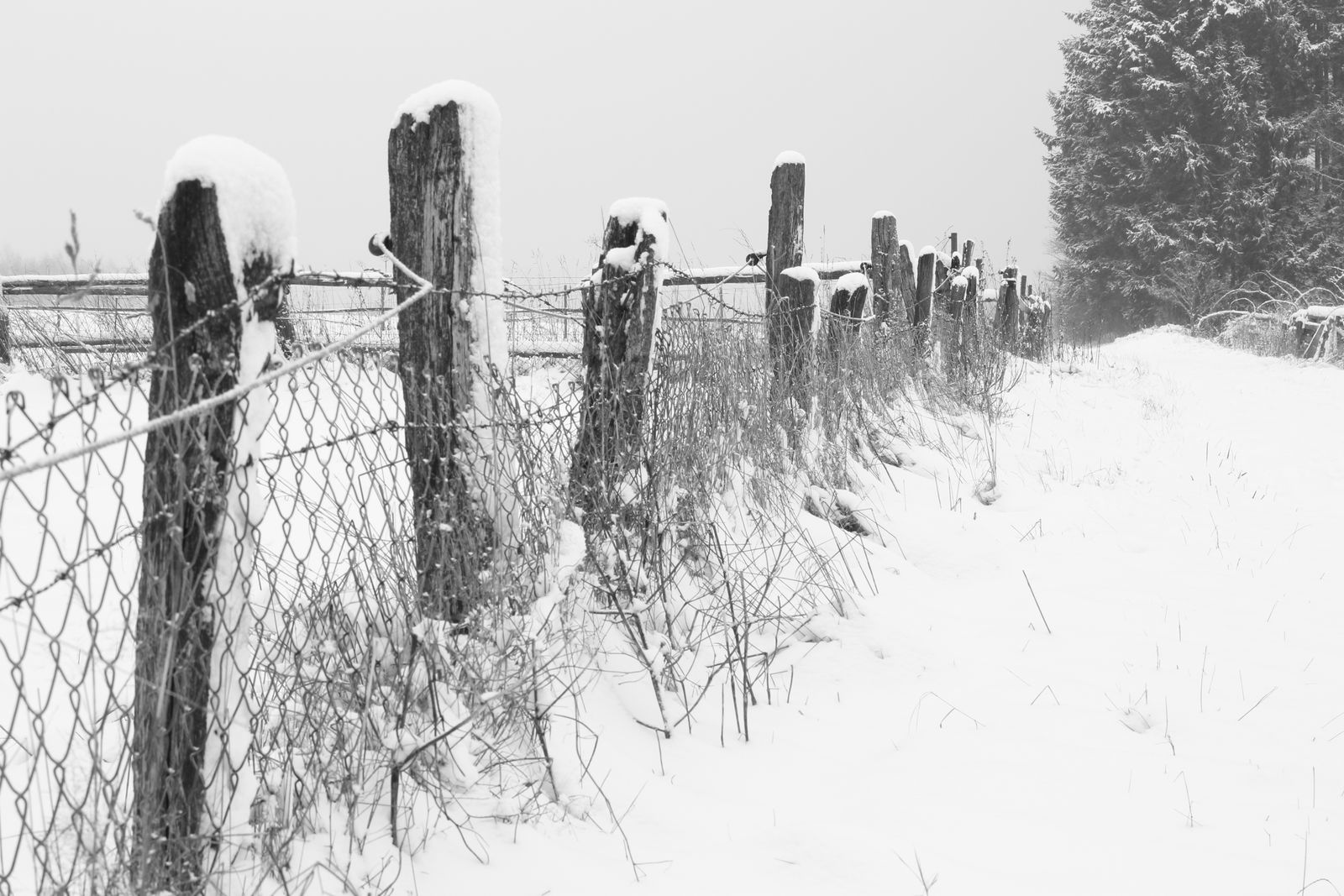
Photo by Michael Nowarra on Pexels
| When | Task | Why it matters | |------|------|----------------| | Before the first freeze | Sand post tops flat, confirm base size fit, snug fasteners | Stops water from entering the joint in the first place | | After each snowfall | Brush panels clear, wipe dry | Restores the only charging window the fixture gets | | Every two weeks | Look for rocking caps and ice buildup at the skirt | Catches freeze-thaw loosening while it is still easy to fix | | Mid-winter thaw | Rinse road salt and grime off panels, dry them | Salt film cuts panel output and holds moisture | | First warm week of spring | Full wipe-down, re-seat every cap, watch one dusk cycle | Confirms nothing loosened over the season |
Signs a light should come off the post until spring
Most sets are fine left in place. Pull an individual fixture if the housing is cracked, if the lens has visible standing water inside it that does not clear after a warm day, or if the cap will no longer sit flat because the post top has failed. A cracked housing in freezing weather gets worse quickly, since water enters, freezes, and widens the crack.
If you remove one, store it indoors somewhere dry and moderate rather than in an unheated shed, and give the panel a few hours of daylight through a window every month or so. A rechargeable cell that sits fully discharged in the dark for an entire winter is in worse shape by spring than one that got occasional light.
FAQ
Can solar post cap lights stay outside all winter? Yes. The IP44 rating covers rain, snow, frost, and sleet, so leaving them mounted is the normal approach. The work is maintenance, not removal — keeping panels clear and making sure water is not collecting in the joint between the cap and the post.
Why do the lights run for a much shorter time in January? Two reasons stack up. Winter delivers fewer hours of strong direct sun, so the cell starts the night with less stored energy, and cold temperatures reduce how much of that stored energy is actually available. Both reverse on their own as days lengthen.
Is it safe to use hot water to melt ice off the panel? No. Use lukewarm water or wait for sun. A large, sudden temperature change on cold plastic and glass is a good way to crack it, and a crack turns a sealed fixture into one that takes on water.
Does frost on the housing mean water is getting inside? Not on its own. Frost forms on any cold outdoor surface. What matters is whether moisture appears on the inside of the lens and stays there through a warm, dry day. Persistent internal moisture points to a compromised seal.
The practical next step
Before the first hard freeze, walk the fence line once with a glove and a scrap of sandpaper. Press each cap to check for rocking, sand any post top that is no longer flat, and confirm each fixture is using the base size that actually matches its post. Ten minutes of that in the fall removes most of the reasons a set of post cap lights looks worse in March than it did in November. For broader context on why these fixtures hold up outdoors at all, the overview of what makes solar post cap lights dependable outdoor fixtures is a useful companion read.
Cover photo by Karlheinz Strohmaier on Pexels.