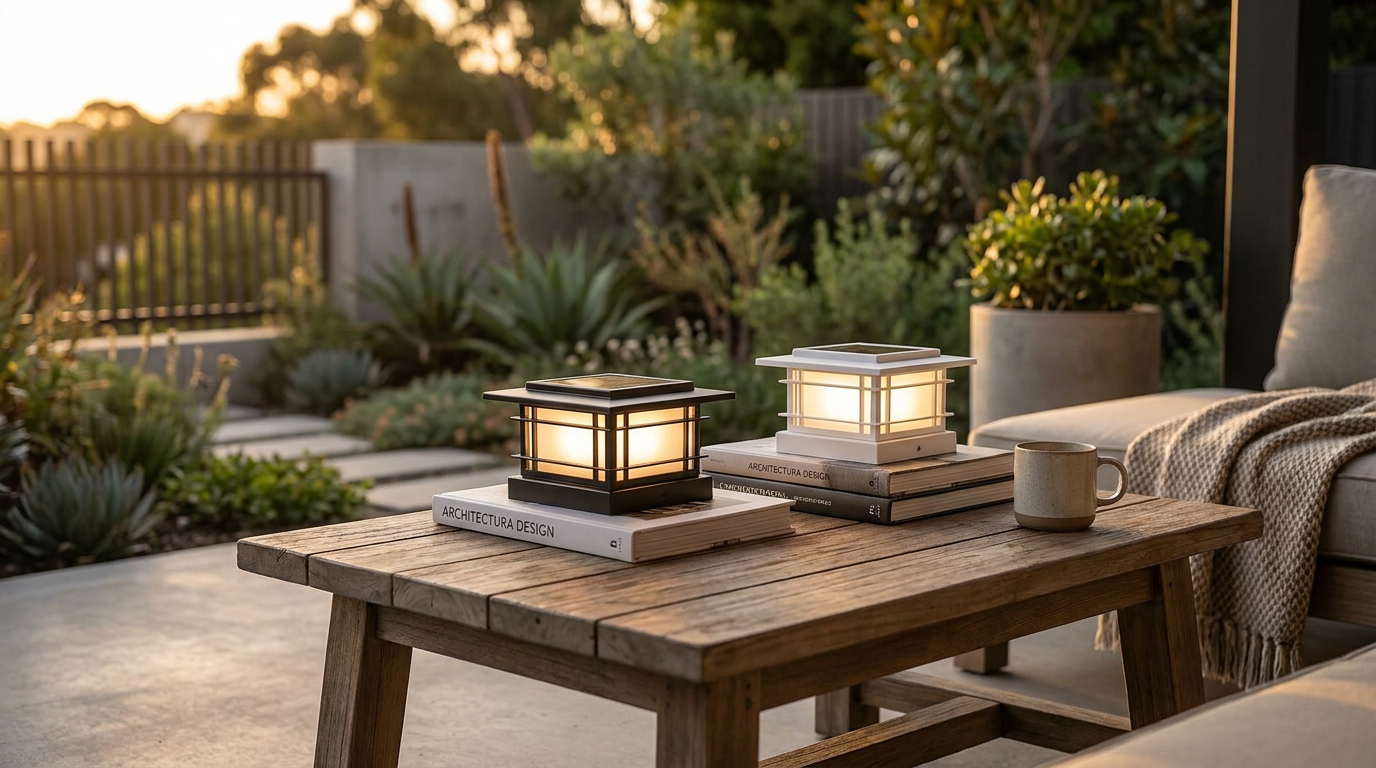
What defines modern Solar Post Cap Lights for high-end decks?
 Priya RamanSenior Analyst
June 8, 2026 — Modern solar post cap lights differ from traditional models by prioritizing minimalist geometry, integrated solar cells, and advanced color temperature controls that mimic wired architectural lighting.
Property owners and landscape designers now view these fixtures as critical components of a home’s exterior silhouette. The shift away from bulky, Victorian-style plastic caps toward streamlined, metallic profiles reflects a broader architectural trend toward industrial-modern and Scandinavian-inspired outdoor living spaces.
How does modern design impact solar lighting performance?
Modern design improves solar lighting performance by utilizing efficient monocrystalline panels that require less surface area, allowing for the sleek, low-profile shapes favored in luxury deck builds. Two axes matter: the physical footprint of the cap and the lumen output relative to battery density.
Unlike older models that featured tall, peaked roofs to accommodate large panels, contemporary designs like the Imperial Solar 2.5 by Classy Caps feature a sloped top that integrates the solar collector into the lid itself, as noted by DecksGo. This reduces wind resistance and creates a clean visual line. Furthermore, high-end units often utilize powder-coated aluminum instead of plastic, providing better thermal management for the internal lithium-ion batteries. Matching the cap to the railing system is where modern installations succeed or quietly clash. Each contemporary railing family has a proportional logic: cable-rail and slim aluminum systems want the smallest, flattest caps available, since a bulky cap on a 2.5-inch metal post reads like a hat three sizes too big; glass-panel railings favor low-profile caps that stay out of the sightline the glass was purchased to preserve; and chunky composite posts carry larger caps comfortably but look best when the cap's footprint stays within the post's own edge rather than mushrooming past it. Finish coordination does the rest of the work: matte black caps on black cable hardware, brushed metal with aluminum systems, and a deliberate echo of the home's other exterior hardware — house numbers, sconces, door handles — ties the deck into the facade. The five-minute homework before ordering is a photo of the railing corner taken from ten feet back; a cap chosen against that photo almost never disappoints, while a cap chosen from a product render on a white background frequently does.
Why is color temperature control essential for modern exteriors?
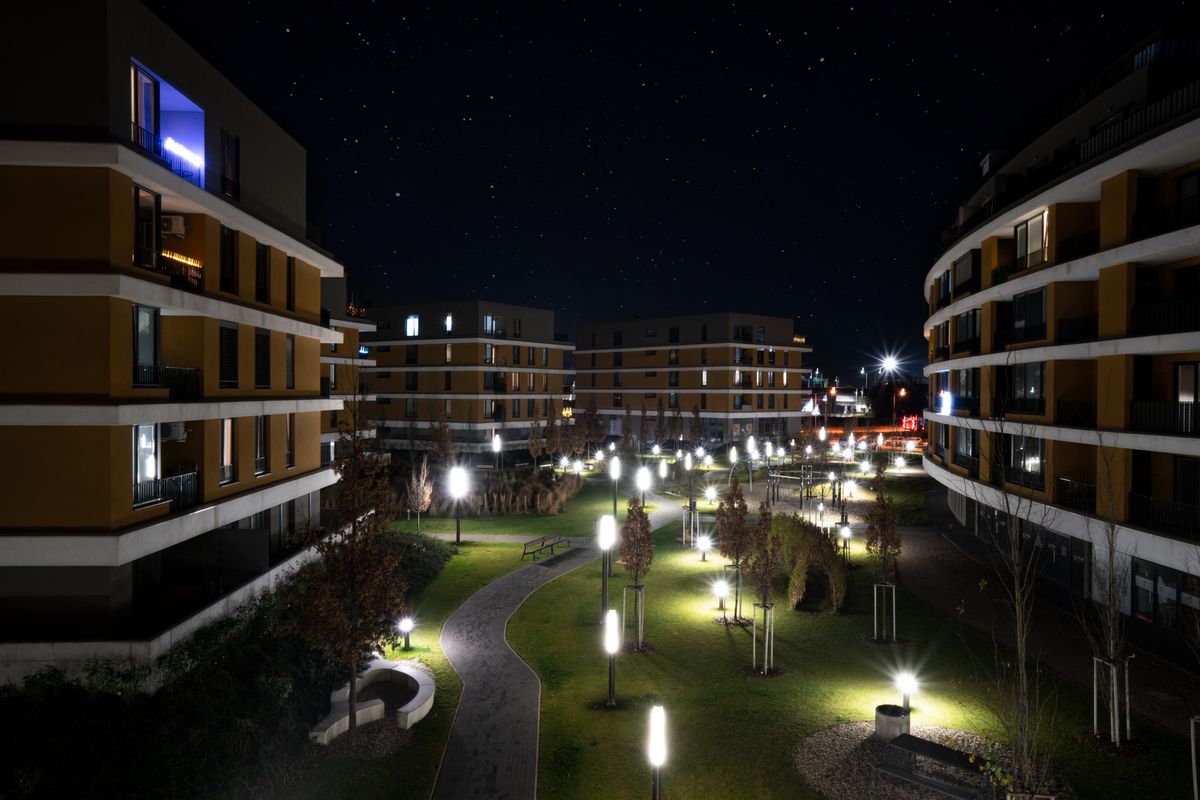
Selectable color temperature allows homeowners to match solar post cap lights with existing lighting, ensuring a cohesive visual temperature. The decision rule: use 2700K to 3000K (warm white) for traditional wood decks and 4000K to 5000K (cool white) for modern vinyl or composite installations.
Modern fixtures, such as those featured by EarthTech Products, now include toggle switches to choose between these temperatures. This flexibility moves away from the harsh bluish-white LEDs of the past. By providing up to 12 hours of light, these units offer a reliable ambient glow that functions like a hardwired system without invasive trenching or wiring costs. Modern exterior design also runs on restraint, and post caps are easy to over-deploy. The minimalist facades these caps complement are lit on a less-is-more principle — fewer, dimmer, deliberately placed points rather than continuous illumination — so the design-forward installation often lights the structural punctuation (corners, gate posts, stair transitions) and leaves the runs between them dark on purpose. That darkness is not a gap; it is what makes the lit points read as intentional. This restraint principle is also the tiebreaker for the flame-effect and color-cycling variants the market now offers: they have their place, but a flickering cap on a Scandinavian-inspired deck argues with everything else on the property. The honest test for any addition is whether it would look at home in the architecture photos that inspired the deck — and steady, warm, low-output light is what those photos contain.
Quick answers
Q: What materials are standard in modern solar post cap lights? A: Modern designs typically utilize powder-coated cast aluminum or high-grade stainless steel. For example, the Classy Caps Majestic model is offered in a durable white finish priced around $45.99 to withstand salt air and UV exposure.
Q: Can modern solar caps fit non-standard post sizes? A: Yes, many contemporary designs are engineered with adapters for actual 4x4 posts or 2.5x2.5-inch aluminum posts. The Imperial Solar 2.5 is a specific example designed for smaller-profile metal railing systems.
Q: Do modern solar post caps offer different light effects? A: Beyond standard 360-degree light, some variants offer specialized aesthetics. According to 2026 reviews from sources like Dynaming, some caps incorporate flickering flame effects to mimic gas lanterns within a sleek exterior shell.
For those seeking a discreet look, low profile solar post caps sit closer to the post surface. Understanding modern solar post cap design helps in selecting the right hardware for low profile solar post caps installations. The choice between traditional and modern solar post cap design is ultimately a matter of architectural alignment.
Learn more about Solar Post Cap Lights at https://solarpostcaplights.com.
Upgrading a deck that already has caps
Retrofitting modern caps onto an older deck is one of the cheapest facade updates available, with two logistics worth planning. First, transition by complete runs rather than by attrition: replacing caps one-at-a-time as old units die leaves the fence line wearing two eras simultaneously for a year, and mixed cap styles are more conspicuous than either style alone — do the street-facing run entirely, then the sides as budget allows, so every sightline is internally consistent. Second, expect the old caps' mounting footprint to differ: decade-old caps often sat on different inner dimensions or adhesive pads, so budget a few minutes per post for scraping old adhesive and confirming the new cap seats flush — a cap perched on the remnants of its predecessor's glue never sits level.
The outgoing units deserve a proper exit: working caps in dated styles find genuinely grateful takers on neighborhood marketplaces (someone's shed or allotment wants exactly what your renovation rejected), and dead units should surrender their rechargeable batteries to battery recycling rather than riding to the landfill inside the housing. The upgrade feels complete when the old hardware is gone — a box of retired caps in the garage is the renovation equivalent of an unfinished sentence.
Sources
Photo by Kim Lawrie on Pexels