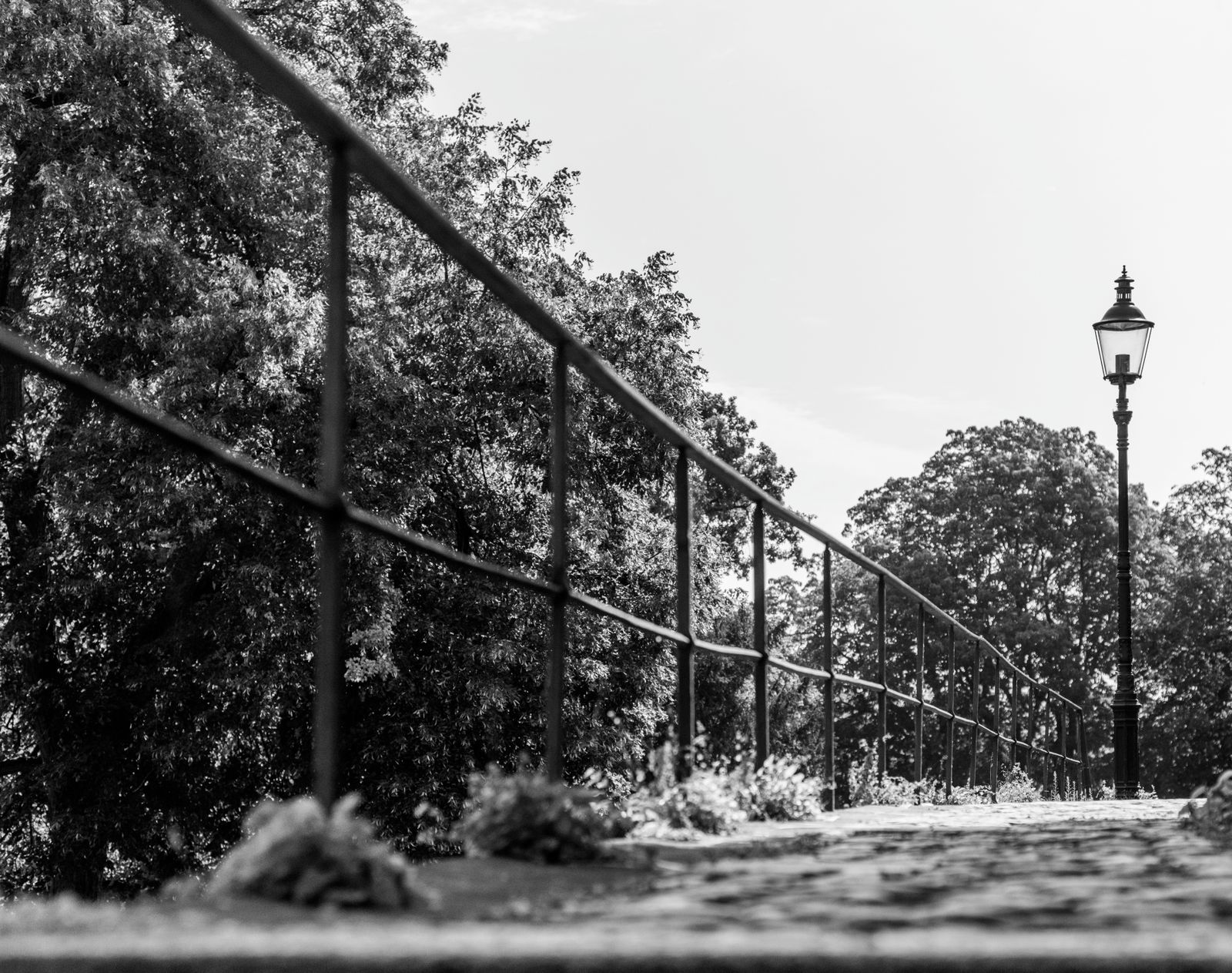
Troubleshooting Year-Round Perimeter Lighting: Maintaining Solar Post Caps in Extreme Weather
Troubleshooting year-round perimeter lighting means maintaining solar post caps in extreme weather with glass, gaskets, and honest sky — not a new 15-lumen LED. IP44 handles rain and splash. Snow, ice, heat, salt air, and wind still need habits: brush the panel, reseat 4x4–6x6 bases, rest the 1000MAH Ni-MH cell, and keep automatic sensors from seeing storm-lit floods. Extreme weather changes charge and fit; it rarely kills eight warm white SMD diodes overnight.
Year-round perimeter lighting is a climate job
A fence line that looks even in May will not look even after a nor'easter, a desert heat week, or a coastal gale. Maintaining solar post caps is walking that perimeter after the event. Dark cap: dirt, snow, tilt, or a wet tray. Whole-run dim: the weather starved everyone. That is troubleshooting, not a product recall.
IP44 is weatherproof in the splash sense. It is not a submarine and not a heater. Heat cooks empty Ni-MH cells left on a black post with no charge-discharge. Cold slows them. Salt air films the panel. Wind lifts a loose base. The guide to buying solar post cap lights for rain, snow, salt, and heat is the buying half; this is the maintaining half. For rain-rating detail, the FAQ on what IP44 means for solar post lights is the decoder.
Keep 15 lumens in perspective. Extreme weather can cut a night short without "breaking" perimeter lighting. Judge after the next clear day.
Extreme weather, symptom by symptom
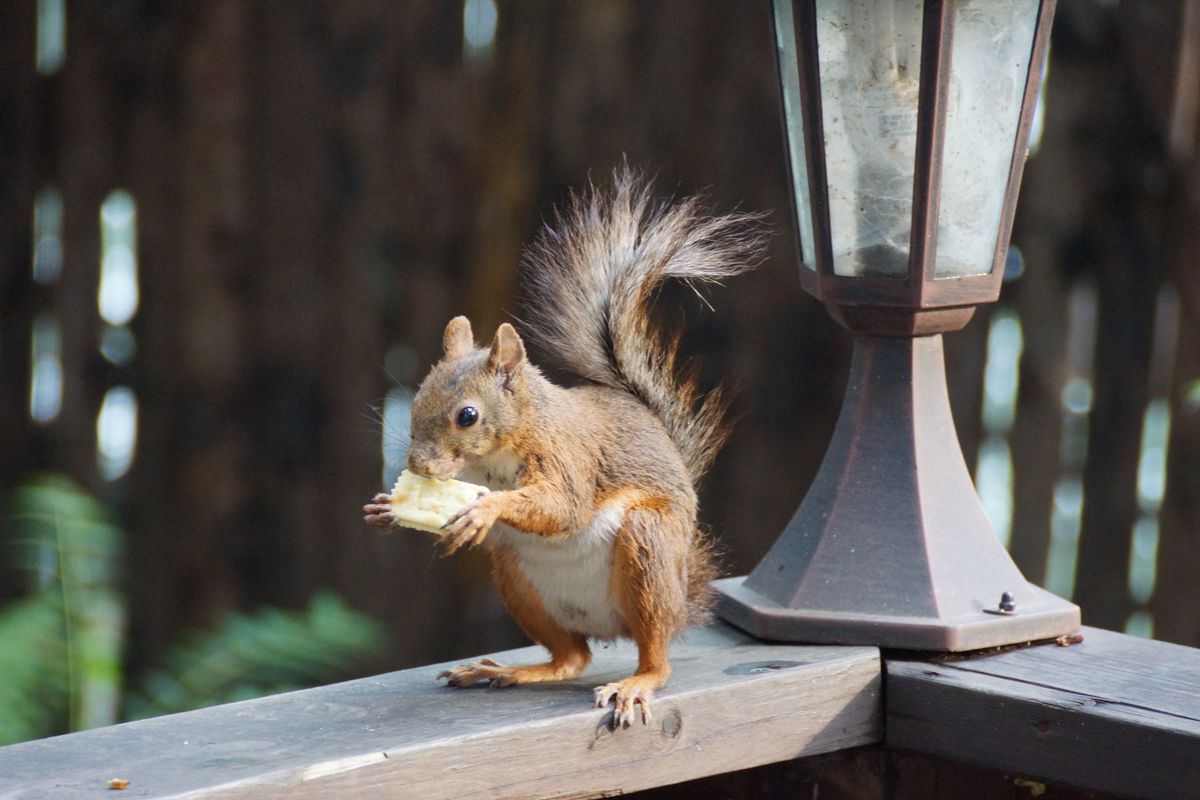
Rain: wash grit, reseat the cap, dry a fogged tray. Snow: brush; do not chisel. Ice on a flat cap is a load and a shade cloth — see the guide to snow load and ice on flat solar post caps. Heat: ensure the lid is closed and the cell is cycling, not sitting cooked and empty. Wind: tighter adapter or a tab screw; the how-to for keeping caps from blowing off covers fasteners.
Salt: rinse with fresh water, no abrasives. Freeze-thaw: wood posts change size; maintaining the 4x4, 5x5, or 6x6 fit is perimeter work. Hail: inspect the lens; a cracked cover is a retire, not a battery swap.
| Extreme event | What to troubleshoot | Maintaining action | | --- | --- | --- | | Driving rain | Tilted gasket, dirty glass | Reseat level; wash; dry tray if fogged | | Heavy snow | Buried panel | Brush; wait for sky; do not scrape | | Heat wave | Empty hot Ni-MH | Charge-cycle; store unused caps cool | | Coastal salt | Film on panel and contacts | Fresh-water rinse; dry the tray | | High wind | Loose multi-base | Tighter adapter; optional tab screw | | Freeze-thaw | Rocking wood post | Remeasure; swap to the correct base |
A year-round maintaining loop
After every extreme storm, walk the perimeter. Press down caps. Clear panels. Note the one unit that still fails on the next sunny night — that is a 1000MAH replacement candidate. Automatic sensors in flood-lit gloom will fake a failure; aim them at true dusk. Warm white should stay consistent so you do not chase a "dim" that is only color.
DIY maintaining is $0. An electrician at $50–$100 per hour cannot add sun. Store versus leave-out in deep winter is a choice; unused seasons should not leave cells hot and empty on the post.
Extreme-weather troubleshooting checklist
- [ ] Walk the perimeter after rain, snow, wind, or heat spikes.
- [ ] Brush snow; wash salt and grit; skip pressure washers.
- [ ] Reseat IP44 caps level on the right 4x4, 5x5, or 6x6 base.
- [ ] Dry fogged trays on a fair day; confirm gaskets.
- [ ] Rest a weak 1000MAH Ni-MH cell in real sun before replacing it.
- [ ] Aim sensors away from storm lighting and house floods.
- [ ] Rinse coastal caps with fresh water; dry contacts.
- [ ] Retire cracked lenses; do not call that a battery issue.
Frequently asked questions
Photo by Meri Verbina on Pexels
Are solar post caps weatherproof year-round?
IP44 is rain-ready. Year-round perimeter lighting still needs maintaining in extreme snow, salt, heat, and wind.
Should I take them down for every storm?
No. Take a cap down if the tray is wet, the gasket is split, or you are storing for a long unused stretch.
Why did only the corner cap die after wind?
Corners take the hit. Troubleshooting starts with fit, then the cell.
Does extreme cold kill 15-lumen LEDs?
Almost never. Cold batteries and short days cut the night. The 30,000-hour SMD rating is the long number.
Can I silicone the cap shut for weather?
Do not glue the battery tray. You will trap moisture and lose the replacement path.
Related reading
- guide to buying solar post cap lights for your climate
- what IP44 means for solar post lights
- snow load and ice on flat solar post caps
- how to keep solar post cap lights from blowing off
What to do next
After the next extreme weather, walk the perimeter. Clear every panel, reseat loose bases, and rest the one cap that still fails. Maintaining solar post caps year-round is that walk — not a new lighting specification.
Cover photo by pierre matile on Pexels.