How to Keep Solar Post Cap Lights Working in Winter and Cold Climates
To keep solar post cap lights working in winter and cold climates, treat short days and snow as the job: brush the panel, place 15-lumen IP44 caps on posts that still see the low sun, rest the 1000MAH Ni-MH AA when a unit goes quiet, and reseat 4x4, 5x5, and 6x6 bases after freeze-thaw. Working nights will be shorter. Cold climates do not kill eight warm white SMD LEDs overnight; they starve and slow the cell.
Winter is a smaller tank fill, not a different product
Keep the same 6-pack working by giving it whatever sky December offers. Cold Ni-MH is slower. Snow is a shade cloth. Porch lamps in early gloom fool automatic sensors so a cap dumps its charge at 3 p.m. and looks "dead" at true dusk. Working in winter is optical and thermal, not a new lumen number.
Map the 10 a.m. and 2 p.m. shadow line. Move priority caps — gates, stairs, deck newels — onto the remaining sun. Leave deep-eave posts empty. A winter charging guide, winter maintenance guide, store-or-leave-out guide, and snow-load guide cover the toolkit.
IP44 handles rain and sleet splash. It does not melt ice. Do not chisel the lens. Warm white still looks like a home in cold climates; cool leftovers look like a parking lot.
Cold-climate habits that keep them working
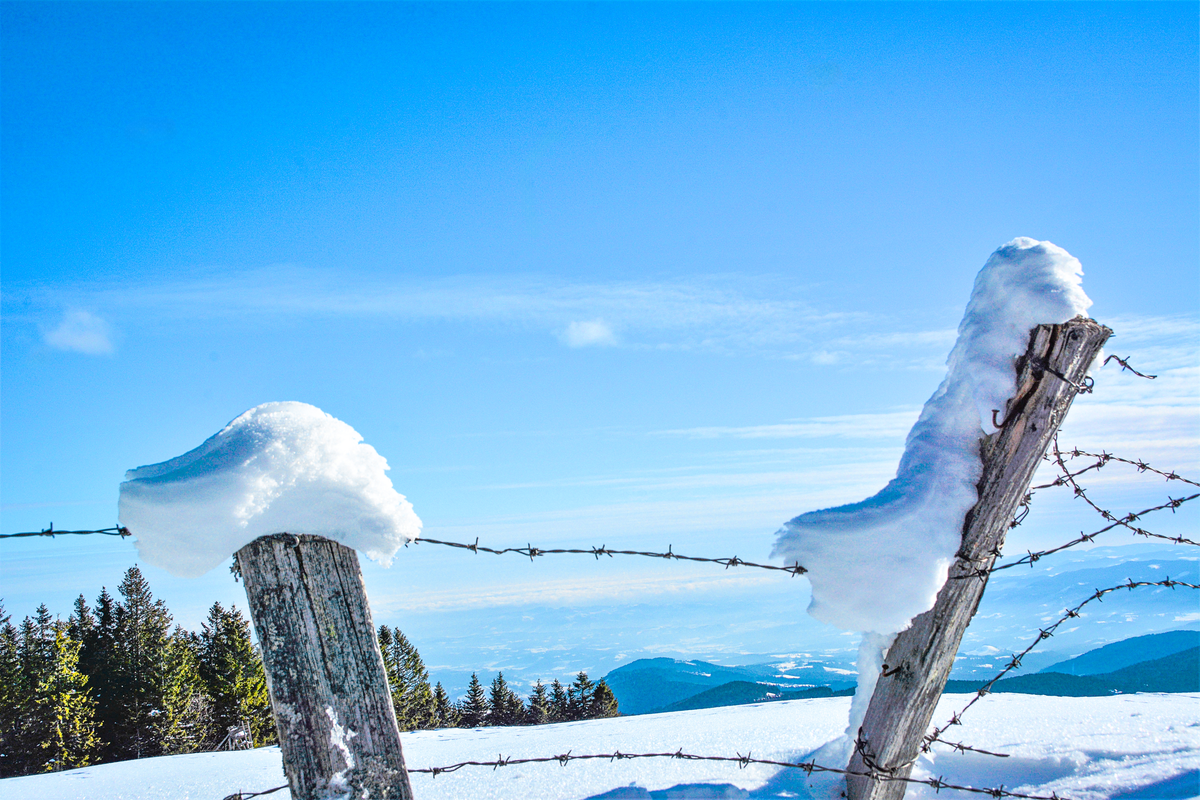
Photo by Karlheinz Strohmaier on Pexels
Brush snow after storms. Wash road film. Press bases after freeze-thaw. Rest a weak cap on a south sill for a clear day, then return it. Replace only matching 1000MAH Ni-MH if the sunny-hole test fails. Store unused packs cool and charged if you shut the cabin until spring — working is cycling, not sitting empty on a black post in a heatless week that still has sunless days.
Electricity at $0.16 per kWh stays off the bill. DIY is $0. An electrician at $50–$100 per hour cannot lengthen the winter day.
| Winter problem | Why it stops working | Keep-working move | | --- | --- | --- | | Snow on the cap | Zero charge | Brush; never scrape | | Low sun / eaves | No fill | Move to the winter sun line | | Cold Ni-MH | Slower chemistry | Rest; judge after a clear day | | Freeze-thaw rock | Tilted panel | Reseat 4x4 / 5x5 / 6x6 | | Early house lights | False dawn | Aim the sensor at true dusk | | Empty hot-then-cold storage | Cell damage | Store cool and charged |
A weekly winter loop
After each storm: walk, brush, press. Once a week: note the weakest cap, rest it, swap with a neighbor. Keep 15 lumens in mind — working means you see the post, not the bay. If a climate is so cold and sunless that no post charges, storing is how you keep the lights working for spring, not a failure.
Winter working checklist
- [ ] Map winter sun at 10 a.m. and 2 p.m.; move priority caps there.
- [ ] Brush snow; skip metal on the lens.
- [ ] Reseat bases after freeze-thaw.
- [ ] Aim automatic sensors away from house lighting.
- [ ] Rest weak 1000MAH cells in real sun before replacing.
- [ ] Keep IP44 lids sealed; dry fogged trays on a fair day.
- [ ] Store unused caps cool and charged.
- [ ] Judge working 15 lumens with your eyes after a clear winter day.
Frequently asked questions
Photo by ~ angelkwill ~ on Pexels
Will solar post cap lights keep working all winter?
They keep working when they can charge. Cold climates shorten the night. That is honest, not broken.
Should I bring them in every freeze?
No. Bring a cap in if the tray is wet or you are storing the season.
Does cold kill 15-lumen LEDs?
Almost never. The 30,000-hour rating is the long number. The battery is the winter part.
Can I add a bigger battery for cold climates?
Only a matching Ni-MH AA that still seals. Bigger that wedges the lid is not working; it is a leak.
Is storing better than leaving them out?
If you will not brush snow or the posts see no winter sky, store. Otherwise leave them working on the sun line.
Related reading
- how to charge solar post lights in winter
- winter solar post cap light maintenance guide
- store or leave out winter decision guide
- snow load and ice on flat solar post caps
What to do next
Tomorrow, walk the winter sun line. Move the most important solar post cap lights onto those tops, brush every panel, and rest the weakest cell. Keeping them working in cold climates is that walk.
Cover photo by Magda Ehlers on Pexels.