Troubleshooting & Maintaining Your Solar Post Lights in Winter and Rain
Troubleshooting and maintaining your solar post lights in winter and rain is mostly glass, snow, and a level IP44 cap — not a new 15-lumen LED. Wash pollen and grit, brush snow off the panel, keep the 1000MAH Ni-MH cell from sitting empty in the cold, and reseat 4x4, 5x5, or 6x6 bases after freeze-thaw. Automatic sensors that see a porch lamp in sleet will drain a healthy battery. Weather is the schedule; habits are the fix.
Rain is expected; standing water and blast-cleaning are not
IP44 means splashing rain, not a pressure washer and not a puddle on a tipped head. Maintaining solar post cap lights after storms starts with a soft cloth and mild soap on panel, lens, and sensor. Grit acts like shade. Sprinkler scale does too. Dry the top so the next clear day can charge.
If a cap flickered during a downpour and then went dark, check the seat before you buy a battery. A loose multi-base adapter on wet wood can tilt and let water sit on the gasket line. Press it down. If the interior looks fogged, open the battery tray when the weather breaks, dry it, and close it firmly. A dedicated guide to condensation and loose solar post cap fits covers that field fix.
Do not store a soaked cell in a sealed bag. Dry first. Ni-MH that freezes wet is a troubleshooting problem you created.
Winter: short days, snow load, and cold batteries
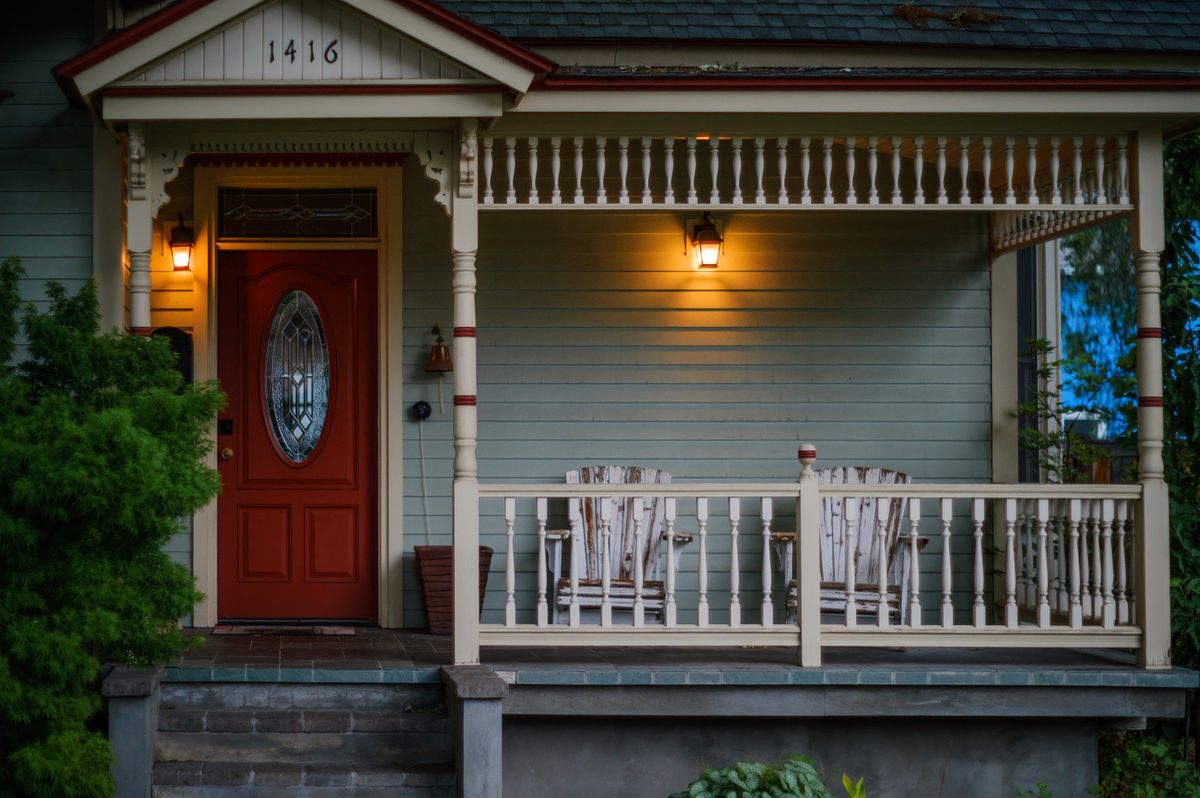
Photo by Brett Sayles on Pexels
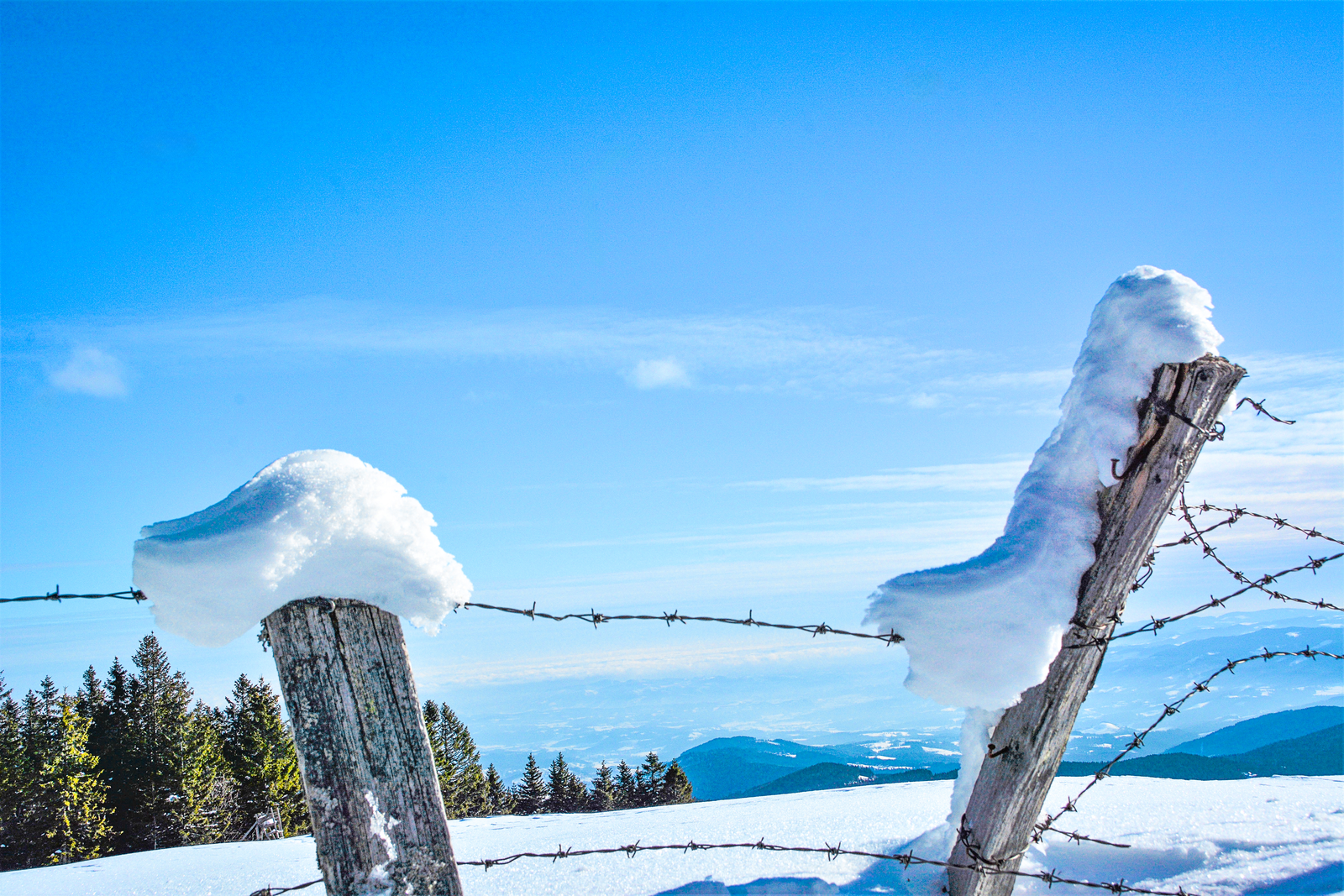
Winter shrinks the charge window. Maintaining output means keeping the panel in whatever sky exists. Brush snow. Do not chip ice with a screwdriver; you will haze the lens that 15 lumens has to pass through. The winter maintenance guide for solar post cap lights and the how-to charging guide for solar post lights in winter go deeper on frost and short days.
Cold Ni-MH is slower. A cap that looks "dead" at 8 p.m. in January may still be honest about the day's sun. Bring a chronically weak unit indoors for a dry rest and a sunny windowsill day, then return it. Storing the whole run versus leaving it out is a separate winter decision guide.
Warm white still reads as welcoming on snow. Cool-white leftovers look harsher and can be mistaken for a brighter, healthier cap. Keep the line consistent while you troubleshoot.
| Weather event | What fails first | Maintain or troubleshoot | | --- | --- | --- | | Steady rain | Dirty film, tipped gasket | Wash; reseat the base level | | Wind-driven rain | Loose 4x4 / 5x5 / 6x6 adapter | Press down; add a discreet fastener if the post allows | | Wet snow on the cap | Zero charge | Brush; never scrape the lens | | Freeze-thaw | Wood post shrinks; cap rocks | Reseat; check the correct base size | | Ice fog inside the lens | Condensation after a warm day | Dry the tray; confirm the gasket | | Sleet plus a porch flood | Sensor on in the gloom | Aim the automatic window at true dusk |
A simple maintaining rhythm
Monthly in pollen season: wash. After every heavy storm: walk the line, brush snow, press loose caps. Twice a year: confirm bases still match actual post size — wood moves. When a single cap lags, swap it with a neighbor before replacing the 1000MAH cell. Eight SMD LEDs at 15 lumens almost never fail first; the 30,000-hour rating is the long number.
Skip oil, paint, and stain on the panel and sensor. If you are finishing posts, lift the caps first. DIY maintain work is $0; calling an electrician at $50–$100 per hour to "fix solar" is the wrong trade.
Winter and rain maintenance checklist
- [ ] After rain: wipe panels and sensors; reseat any tipped cap.
- [ ] After snow: brush the flat top; do not chisel ice.
- [ ] Confirm IP44 gaskets are seated; dry fogged trays on a fair day.
- [ ] Match 4x4, 5x5, and 6x6 bases to actual post size after freeze-thaw.
- [ ] Aim automatic sensors away from house lighting in winter gloom.
- [ ] Rest a weak 1000MAH Ni-MH cell in a dry, sunny spot before replacing it.
- [ ] Never pressure-wash or use alkaline stand-ins.
- [ ] Judge 15 lumens with your eyes on the post, not a phone in sleet.
Frequently asked questions
Photo by Quang Vuong on Pexels
Should I bring solar post lights in every time it rains?
No. IP44 is for rain. Bring a cap in only if the tray is wet, the gasket is split, or you are storing for a long unused season.
Why are winter nights shorter even after maintaining the glass?
Shorter days. Troubleshooting cannot add December sun. Clear snow and keep the panel in the winter sun line.
Can I use a hair dryer on a wet cap?
Gentle room-temperature dry is safer than heat on plastic and gaskets. Open the tray, air dry, then close firmly.
Do I replace batteries every winter?
Only if a cap stays dim in a proven sunny, dry spot after a rest. Seasonal weakness is often charge, not a dead cell.
Will maintaining the caps stop ice from forming?
No. You manage ice on the panel and condensation in the tray. You do not climate-control the post top.
Related reading
- winter maintenance guide for solar post cap lights
- how to charge solar post lights in winter
- store or leave out winter decision guide
- condensation and loose-fit field fixes
What to do next
After the next rain or snow, walk the posts. Wash or brush every panel, press down loose bases, and rest the one cap that still looks weak. Maintaining solar post lights in winter and rain is that walk — not a new lighting plan.
Cover photo by Karlheinz Strohmaier on Pexels.