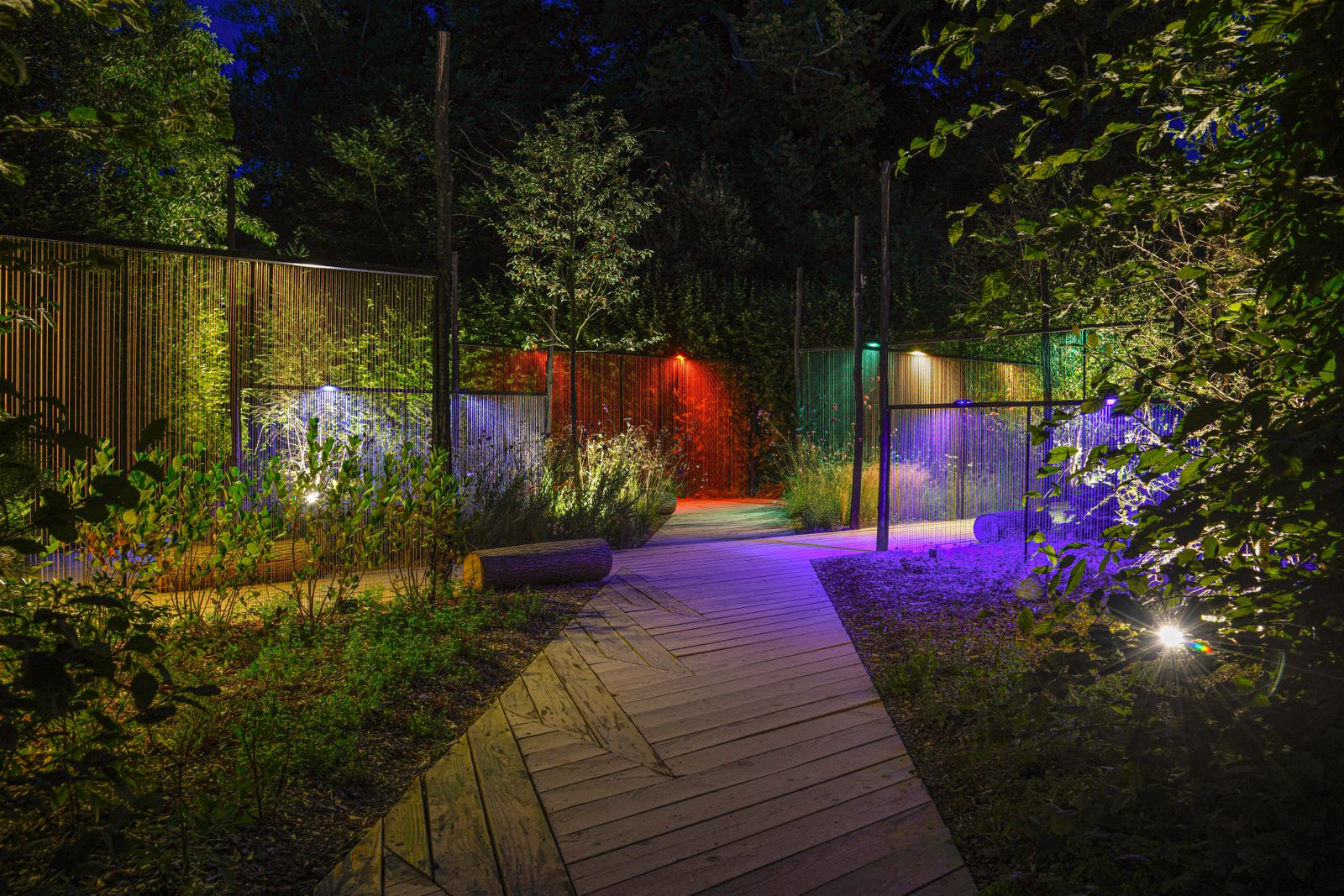
Solar vs. Wired Security Post Lights: A Perimeter Protection Comparison
Solar vs wired security post lights is a perimeter protection comparison between 15-lumen solar post cap markers you seat in an afternoon and hardwired floods that need trench, transformer, and an electrician at $50–$100 per hour. Solar wins on install cost ($0 DIY), running cost (about $0.16 per kWh you never buy), and posts that sit far from power. Wired wins when you need identification-level light on a camera or a sunless stretch. Most yards want solar on the line and wire only on the latch.
Perimeter protection is not one fixture
Security on a fence is orientation: see the gate, the corner, a person at the post. Solar post cap lights with eight warm white SMD LEDs at 15 lumens do that when the panel sees sky and the 1000MAH Ni-MH cell is healthy. They are IP44, automatic on/off, and they fit 4x4, 5x5, and 6x6. That is protection as "the line is readable."
Wired security post lights — low-voltage or line-voltage — can be far brighter and independent of December sun. They also mean cable, a transformer, GFCI thinking, and labor. Electricity at $0.16 per kWh is small per fixture and real across a long run of floods. Protection comparison: cameras still need their own light if you want faces, not silhouettes. Neither solar nor a distant wired flood magically fills a lens.
A solar post caps vs standard post caps comparison is about timber protection. This article is about light on the perimeter. A complete guide to solar post cap lighting shows where 15 lumens belongs.
Where solar is the better security choice
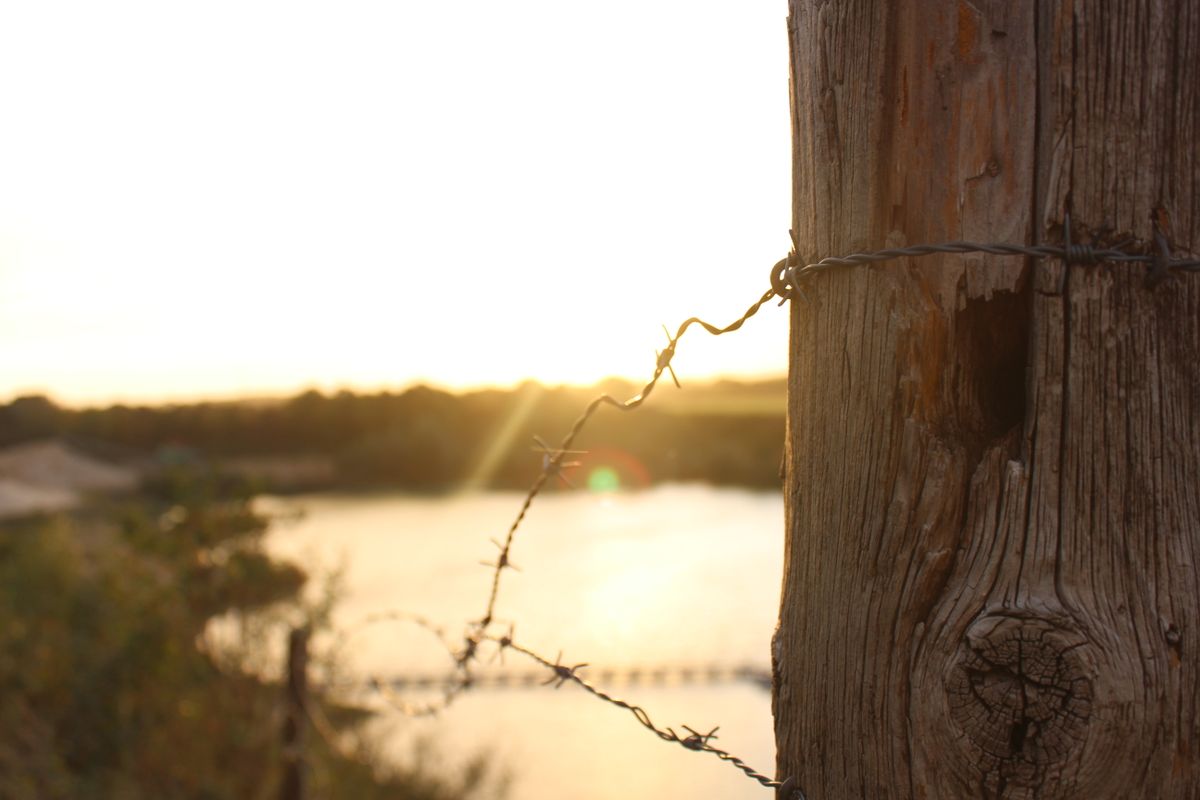
Photo by Jim Winkler on Pexels
Rented gardens, HOA limits on trenching, long wood fences, vinyl runs, docks where you will not pull cable — solar post cap lights are the protection you can actually install. A 6-pack on sunlit corners and gates beats a permit for a trench you will not dig. Side gates and chicken runs are classic solar wins.
Where wired is better: a north eave that never charges, a stair that needs task light, a camera that must read a face. Hybrid is adult. Keep solar vs wired as a map, not a brand fight. The how-to for HOA rules and light trespass matters more than wattage if a neighbor is the risk. For driveway-scale thinking, use the guide to lighting a long driveway and gateposts.
| Factor | Solar post cap lights | Wired security posts | | --- | --- | --- | | Install | $0 DIY, multi-base seat | Trench, transformer, $50–$100/hr labor | | Running cost | $0 at $0.16/kWh | Metered, small per lamp, real in volume | | Output | 15 lumens warm marker | Can be flood-level | | Sunless stretch | Weak or none | Independent of sky | | Failure mode | One cap; swap a 1000MAH cell | Wire, transformer, or lamp | | Perimeter protection role | Line readable at the posts | Task and camera fill |
Comparison checklist before you trench
Walk the perimeter at night. Mark posts that only need a marker versus spots that need a flood. Check sky at 10 a.m. and 2 p.m. If 80 percent of the line can charge, solar is the protection system; wire the exceptions. Keep warm white solar so the wired flood, if cooler, is obviously the task light and not a mismatched cap.
Do not "upgrade" a solar run by wiring every 4x4. That is how a comparison turns into a bill. IP44 solar is rain-ready. Wired outdoor gear has its own wet-location rules — hire the electrician for that part, not for seating a cap.
Decision checklist
- [ ] List perimeter posts that see sky versus posts that never will.
- [ ] Assign 15-lumen solar caps to sunlit gates and corners first.
- [ ] Reserve wired for stairs, cameras, and true sunless bays.
- [ ] Price DIY $0 against $50–$100 per hour plus trench disruption.
- [ ] Confirm HOA and light-trespass limits before either system.
- [ ] Seat 4x4, 5x5, 6x6 bases level so solar protection can charge.
- [ ] Aim automatic sensors away from the wired floods you do add.
- [ ] Keep one chemistry of 1000MAH Ni-MH spares for the solar line.
Frequently asked questions
Photo by Catalin Buescu on Pexels
Are solar post caps real security lights?
They are perimeter markers. Protection comparison: they show the line. They do not replace a flood on a camera.
Is wired always brighter and therefore better?
Brighter is not automatically better on a property line. Glare and trespass are security problems too.
Can I mix solar vs wired on one fence?
Yes. That is usually the smart perimeter. Keep sensors on the solar caps from seeing the wired floods.
What does electricity at $0.16 per kWh change?
Solar avoids it. A few wired lamps are cheap to run; a long flood run is why people came back to caps.
Do I still need an electrician for solar?
No. Wired security post lights are where the electrician belongs.
Related reading
- solar post caps vs standard post caps comparison
- complete guide to solar post cap lighting
- HOA rules and light trespass how-to
- guide to lighting a long driveway and gateposts
What to do next
Sketch the perimeter. Circle sunlit posts for 15-lumen solar cap lights and the few sunless or camera spots that deserve wire. The protection comparison is that sketch — not a trench by default.
Cover photo by Thierry coulon on Pexels.